Gentrification in Canggu: The Cost of Bali's Tourism Boom
As Canggu's popularity surges, local residents face the challenges of rising costs and cultural shifts. The influx of tourists is transforming the neighborhood, sparking debates on sustainability and authenticity.
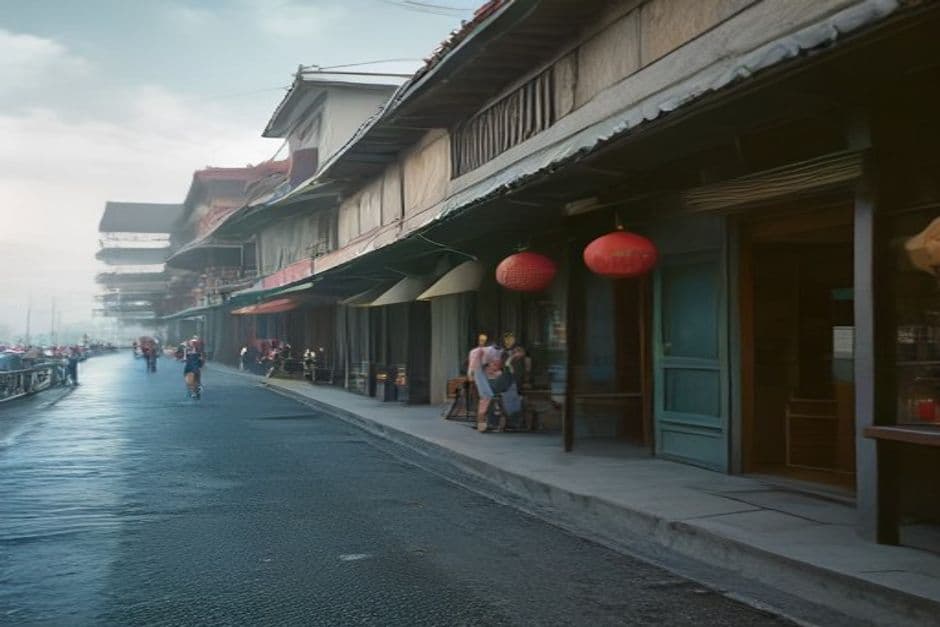
Canggu, once a tranquil coastal village known for its surf breaks and laid-back vibe, is now at the epicenter of Bali's tourism boom. The sound of waves crashing against the shore mingles with the buzz of motorbikes and the chatter of tourists exploring the area. However, the rapid transformation is raising concerns among long-time residents about the cost of progress.
In the heart of Canggu, on Jalan Batu Bolong, locals like Made Suardika, who has lived in the area for over 30 years, express mixed feelings about the changes. “I love seeing new faces and businesses, but I worry about the rising prices,” he says, gesturing to the upscale cafes and boutiques that have replaced local shops. The cost of living has surged, with rental prices skyrocketing by nearly 50% in the past two years, making it increasingly difficult for locals to afford housing.
The influx of international tourists has brought economic benefits, but it has also led to a clash of cultures. The once-quiet streets are now lined with trendy beach clubs and foreign-owned businesses. As evening falls, the sound of electronic music spills into the streets, overshadowing the traditional Balinese gamelan music that once filled the air. This shift has prompted a vibrant nightlife scene but has left many locals nostalgic for the simplicity of yesteryear.

Local government officials, including Canggu’s Head of Tourism, Nyoman Sudarta, acknowledge the challenges posed by gentrification. “We are trying to find a balance between attracting tourists and preserving our culture,” he states. The government has introduced measures to promote local businesses, including grants for Balinese artisans and incentives for traditional markets. However, many locals feel these efforts are insufficient and often overlook the needs of the community.
As Canggu evolves, the annual Canggu Festival has become a symbol of the neighborhood's new identity. This event showcases local cuisine, art, and music while drawing thousands of visitors. However, some residents criticize it for prioritizing commercial interests over genuine cultural expression. “It feels more like a marketing event than a celebration of our culture,” says Ketut Wayan, a local artist who has participated in the festival for years.
Environmental concerns also loom large in the conversation about Canggu's future. Increased tourism has led to overdevelopment, with scores of villas and hotels springing up in previously undeveloped areas. The consequences are visible: traffic congestion, overcrowded beaches, and a strain on local resources. Community activists are advocating for sustainable tourism practices, urging both the government and businesses to prioritize environmental preservation.

Despite the challenges, there are signs of hope. Initiatives like beach clean-ups organized by local NGOs have gained traction, bringing together residents and tourists in a shared effort to protect Canggu's natural beauty. The community is increasingly vocal about their needs, advocating for policies that support sustainable development while preserving the essence of Balinese culture.
The debate over Canggu's future is ongoing, with residents divided on how best to navigate the changes. Some embrace the new opportunities that tourism brings, while others fear losing their identity. As the sun sets over the horizon, casting a golden hue on the ocean, the future of Canggu hangs in the balance—a complex interplay of culture, commerce, and community.

Read Also from Other Categories
Jakarta's Policy Changes Impact Bali's Infrastructure Development Plans
Recent policy adjustments from Jakarta are reshaping Bali's infrastructure initiatives. Local leaders are strategizing to align provincial needs with national directives to enhance public services and connectivity.

Emerging Investment Opportunities in Bali's Agricultural Sector
Bali's agricultural sector is witnessing a resurgence as investors turn to sustainable farming practices and agritech innovations. This trend highlights the potential for increased economic diversification and food security on the island.

Emergency Services Gear Up for Potential Tsunami Risks in Bali
As seismic activity increases near Bali, local authorities prepare for potential tsunami threats. Emergency drills and safety measures are being reinforced to protect both residents and tourists in vulnerable coastal areas.
Bali's Urban Development: A Push Towards Sustainable Infrastructure
Bali's local government is investing IDR 500 billion to enhance urban infrastructure while promoting sustainability. This initiative aims to balance modernization with cultural preservation across the island.
Job Opportunities Thrive as Bali Upskills Workforce through Partnerships
Bali is witnessing a surge in employment opportunities fueled by strategic partnerships between educational institutions and local businesses. Enhanced training programs are equipping the workforce with essential skills to meet the evolving demands of various sectors.

Tourism and Tradition: Bali's Artisans Struggle for Survival
As Bali's tourism industry rebounds, local artisans face challenges in preserving their craft. This tension between economic revival and cultural integrity raises critical questions about the future of Balinese artistry.
Comments (0)
No comments yet. Be the first!