Exploring the Enchantment of Bali's Unseen Cultural Retreats
As Bali's tourism landscape evolves, cultural retreats are gaining traction among travelers seeking authentic experiences. This trend not only enriches visitor engagement but also supports local communities and traditions.
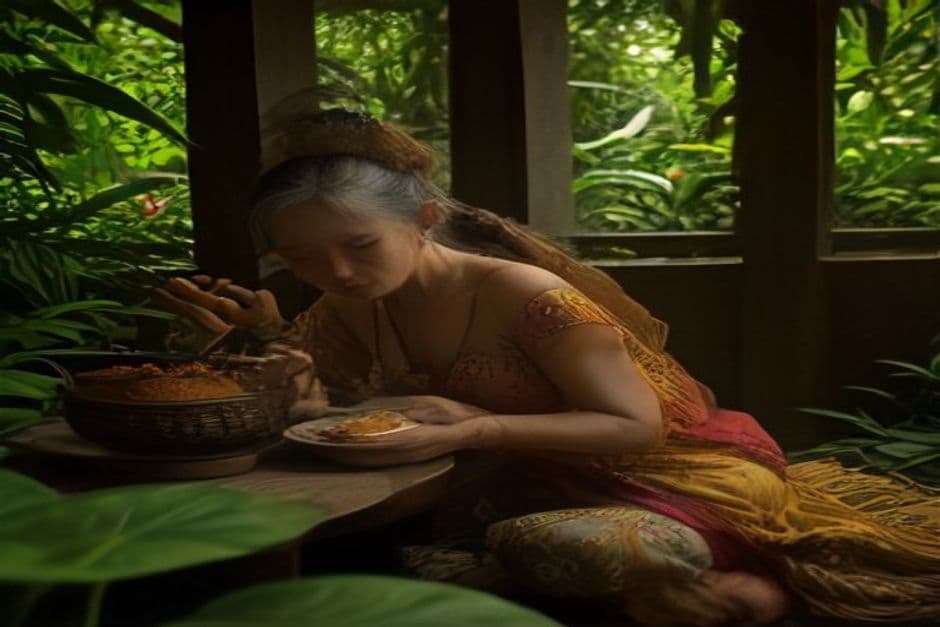
On a quiet morning in Ubud, the sun gently rises behind the lush green hills, casting a golden hue over the iconic rice terraces. An elderly Balinese woman, dressed in a vibrant kebaya, meticulously arranges offerings of flowers and fruit at a small temple nestled among the fields. This daily ritual, deeply rooted in Balinese culture, serves as a poignant reminder of the island's spiritual heritage, which continues to attract visitors seeking an immersive experience beyond the typical tourist path.
As the global travel industry rebounds, Bali is witnessing a notable shift in its tourism sector, with an increasing number of travelers prioritizing authentic cultural experiences. The rise of cultural retreats—intimate, community-focused gatherings that emphasize local traditions, arts, and spirituality—has become a significant trend. These retreats not only provide enriching experiences for visitors but also empower local artisans and cultural practitioners.
One such retreat, held at a serene villa in the outskirts of Ubud, invites participants to engage in traditional Balinese cooking classes, weaving workshops, and meditation sessions led by local healers. "We want visitors to leave with a deeper understanding of our culture and a sense of connection to the land," explains Made Wirama, the retreat's organizer. "It’s about sharing our traditions in a way that feels genuine and heartfelt."
The allure of these cultural retreats is multifaceted. For many tourists, the desire to escape the bustling tourist hotspots leads them to seek out unique experiences that foster personal growth and connection. As eco-consciousness grows, so does the demand for tourism that supports sustainability and community welfare. According to recent data from the Bali Tourism Board, cultural tourism has increased by 25% in the past year, with a notable rise in bookings for retreats focusing on wellness and local heritage.

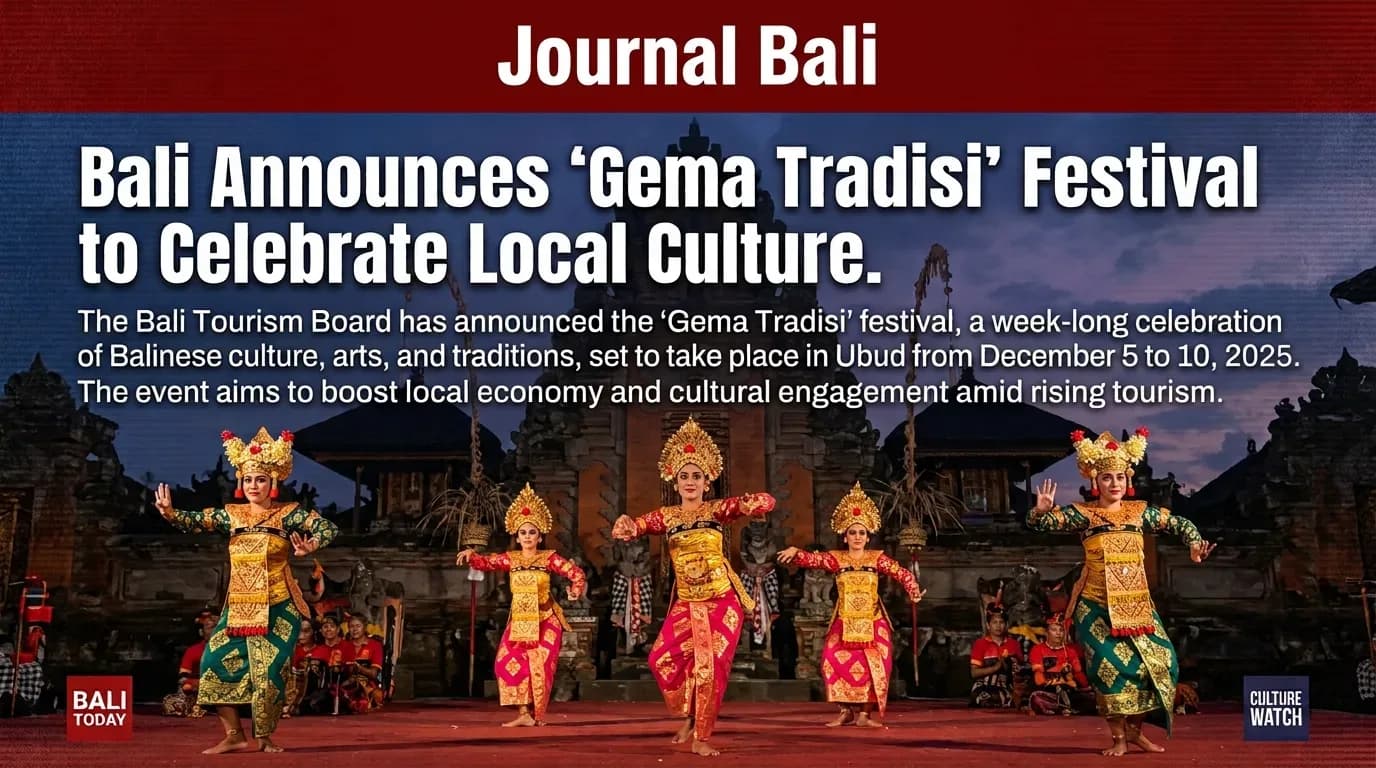
In addition to cooking and crafting, participants at these retreats are often introduced to traditional Balinese ceremonies, such as the enchanting Kecak dance. Set against the backdrop of a stunning sunset at Uluwatu Temple, this performance offers a captivating glimpse into the island's rich narrative traditions. "Experiencing the Kecak dance in its authentic setting allows visitors to appreciate the depth of our cultural stories," notes Nyoman Sari, a local dancer.
Moreover, the impact of these cultural retreats extends beyond immediate visitor experiences. They play a crucial role in sustaining local economies by providing artisans and cultural practitioners with platforms to share their crafts and knowledge. This is particularly important as Bali navigates the challenges of over-tourism, which has often marginalized local voices and traditions.
As the tourism landscape continues to evolve, the Balinese government is taking steps to promote cultural tourism as a sustainable alternative to mass tourism. The Head of the Bali Tourism Board, I Gede Pitana, emphasizes the importance of preserving cultural heritage while supporting economic growth. "We are encouraging initiatives that highlight our unique traditions and provide educational opportunities for both visitors and locals," he states. This includes supporting training programs for local artisans to enhance their skills and market their products effectively.
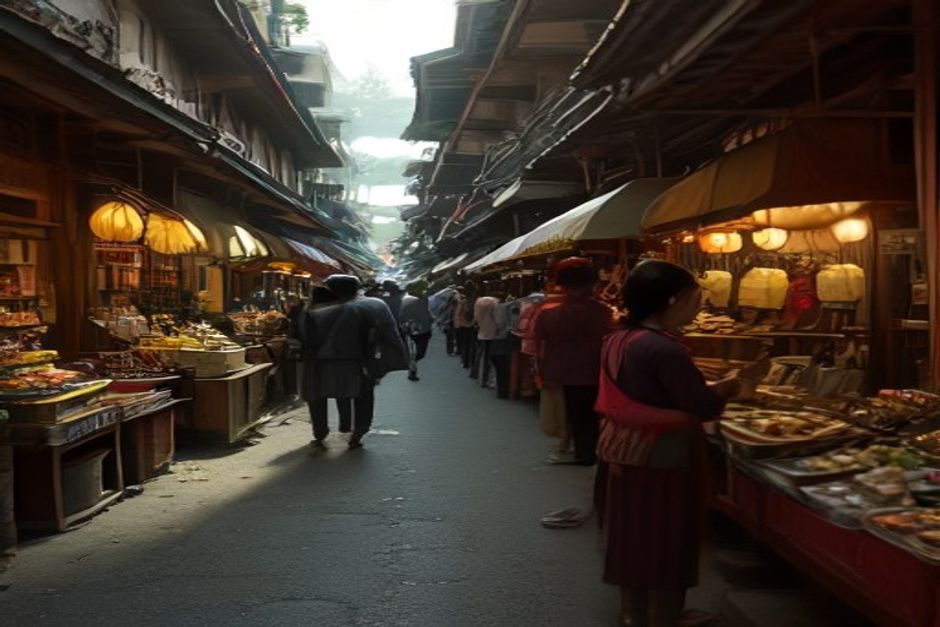
However, the increased popularity of cultural retreats also raises concerns about authenticity and commercialization. Some locals worry that as demand grows, there may be a risk of diluting cultural practices to cater to tourist expectations. To address this, many retreat organizers are committed to maintaining the integrity of their programs by collaborating closely with local communities and ensuring that cultural practices are honored and respected.
As the sun sets over Bali, casting a warm glow over the island, the sounds of laughter and traditional music fill the air at a local retreat. Participants gather around a communal table, sharing stories and experiences forged through their journey into Balinese culture. This moment encapsulates the essence of what cultural tourism can achieve: a bridge connecting travelers to the heart of Bali, fostering understanding and appreciation for its vibrant traditions.
Looking forward, as Bali continues to attract a diverse array of visitors, the emphasis on cultural retreats is expected to grow. With a combination of responsible tourism practices and community engagement, these retreats can play a vital role in shaping the future of Bali’s tourism industry, ensuring that it remains a source of pride for locals while offering enriching experiences for those who come to visit.

Read Also from Other Categories
Jakarta's Policy Changes Impact Bali's Infrastructure Development Plans
Recent policy adjustments from Jakarta are reshaping Bali's infrastructure initiatives. Local leaders are strategizing to align provincial needs with national directives to enhance public services and connectivity.

Emerging Investment Opportunities in Bali's Agricultural Sector
Bali's agricultural sector is witnessing a resurgence as investors turn to sustainable farming practices and agritech innovations. This trend highlights the potential for increased economic diversification and food security on the island.

Emergency Services Gear Up for Potential Tsunami Risks in Bali
As seismic activity increases near Bali, local authorities prepare for potential tsunami threats. Emergency drills and safety measures are being reinforced to protect both residents and tourists in vulnerable coastal areas.

Bali's Urban Development: A Push Towards Sustainable Infrastructure
Bali's local government is investing IDR 500 billion to enhance urban infrastructure while promoting sustainability. This initiative aims to balance modernization with cultural preservation across the island.
Job Opportunities Thrive as Bali Upskills Workforce through Partnerships
Bali is witnessing a surge in employment opportunities fueled by strategic partnerships between educational institutions and local businesses. Enhanced training programs are equipping the workforce with essential skills to meet the evolving demands of various sectors.
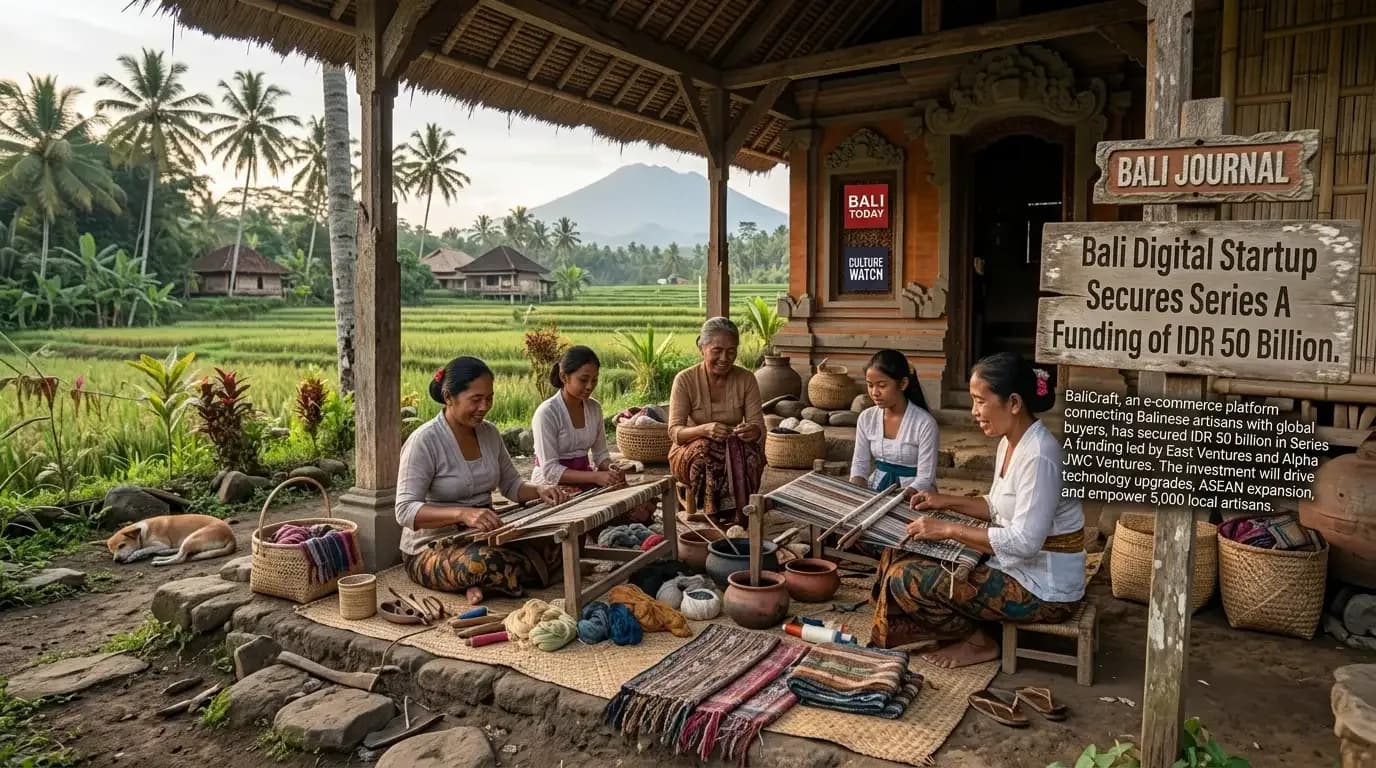
Tourism and Tradition: Bali's Artisans Struggle for Survival
As Bali's tourism industry rebounds, local artisans face challenges in preserving their craft. This tension between economic revival and cultural integrity raises critical questions about the future of Balinese artistry.
Comments (0)
No comments yet. Be the first!