Emerging Arts Festivals Illuminate Bali's Cultural Tourism Landscape
Bali’s tourism is experiencing a renaissance driven by vibrant new arts festivals, captivating both locals and international visitors. These events not only showcase the island's rich culture but also foster community engagement and economic growth.
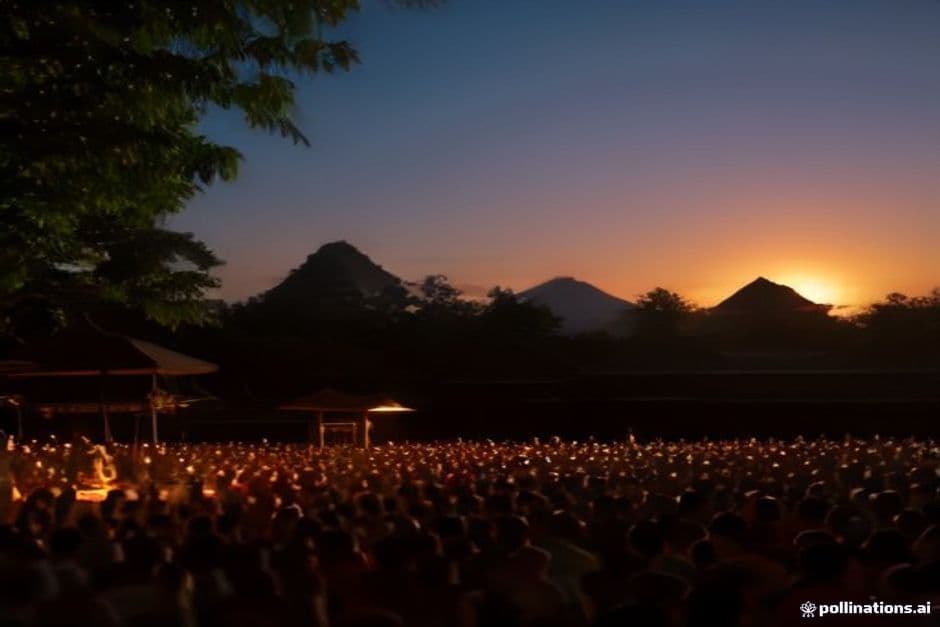
As the sun sets over the serene Ubud landscape, the air fills with the rhythmic beats of traditional gamelan music, mingling with the vibrant conversations of excited festival-goers. Artists and performers prepare to showcase their talents at the inaugural Ubud Arts Festival, a dazzling event that has quickly become a highlight on Bali's cultural calendar. This festival, along with others sprouting across the island, is reshaping Bali's tourism landscape in 2026, drawing attention to the island's rich cultural tapestry.
The Ubud Arts Festival, launched in early January, has attracted artists from various disciplines, including dance, visual arts, and theater. Over 10,000 visitors flocked to the festival's opening weekend, a significant increase from last year, demonstrating a growing interest in authentic cultural experiences. According to the Head of the Ubud Tourism Board, Nyoman Adnyana, "This festival not only allows us to showcase our heritage but also brings in much-needed revenue for local artisans and businesses. It’s a win-win for everyone involved."
In addition to the Ubud Arts Festival, numerous smaller festivals celebrating Balinese traditions are gaining traction. The Bali Dance Festival, held in Denpasar, highlights the island's classical dance forms, while the Bali Film Festival promotes local filmmakers and stories. These events are not just for entertainment; they play a crucial role in preserving Balinese culture and engaging younger generations.
Festival organizers have reported that the influx of visitors is providing a much-needed boost to the local economy. Hotels and restaurants are witnessing an uptick in bookings, with many establishments offering special packages to cater to festival attendees. Local craftspeople are also benefiting, as visitors purchase handmade goods and souvenirs, contributing to the sustainability of traditional crafts.
However, the rise in cultural festivals is not without its challenges. Some locals express concerns about the commercialization of their traditions. I Made Suarta, a traditional dancer and local resident, voiced his apprehensions: "While we want to share our culture with the world, we must ensure that it remains authentic and not just a performance for tourists. The essence of our traditions must be preserved."
In response to such concerns, festival organizers are working closely with local communities to ensure that cultural integrity is maintained. They are incorporating educational components into the festivals, allowing visitors to learn about the history and significance of the performances they witness. This approach fosters a deeper understanding and appreciation of Balinese culture among tourists.
The government is also taking notice of the impact these festivals have on tourism. The Bali Provincial Government has increased funding for cultural events, recognizing their potential to draw international visitors and promote sustainable tourism. Governor Wayan Koster stated, "We are committed to supporting initiatives that highlight our cultural heritage while also boosting our economy. Festivals like these are crucial for our tourism strategy moving forward."
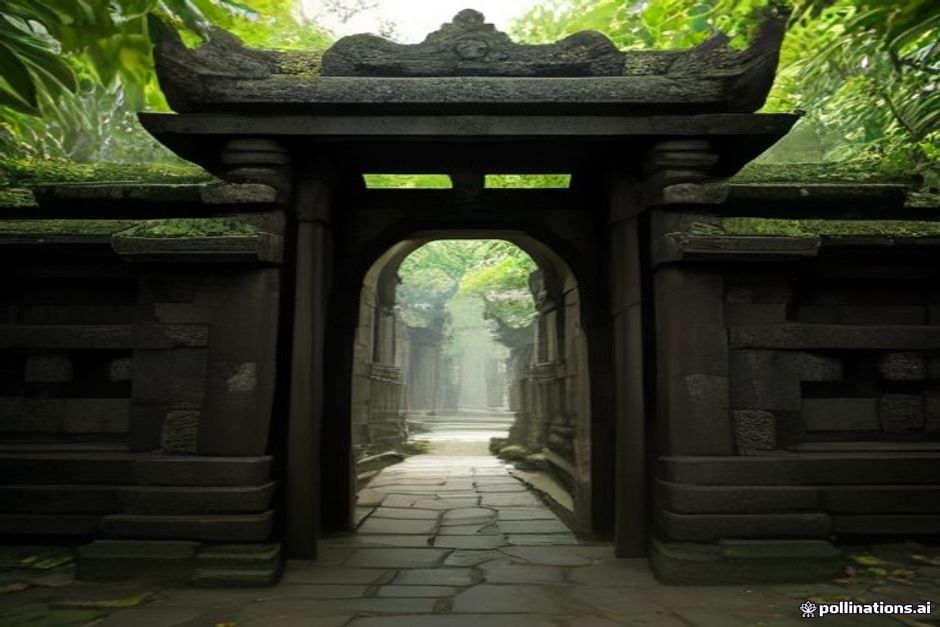
As Bali continues to embrace its cultural roots, the island is positioning itself as a hub for cultural tourism. The combination of traditional arts with modern festival elements creates a unique experience that resonates with a diverse audience. Visitors can now immerse themselves in workshops, panel discussions, and interactive performances, creating a more engaging experience.
Looking ahead, the calendar is packed with upcoming festivals, including the Bali Arts Festival slated for June and the Ubud Writers & Readers Festival in October. These events promise to further enrich the island’s cultural offerings and solidify Bali's reputation as a destination where art and culture thrive.
In this evolving landscape, Bali is not just a beach paradise; it is becoming a vibrant cultural destination that invites visitors to explore, learn, and engage. The success of these arts festivals highlights the potential for culture-driven tourism to create lasting connections between visitors and the island, ensuring that Bali's traditions are celebrated and preserved for generations to come.

Read Also from Other Categories
Jakarta's New Policies Spark Controversy Over Bali's Agricultural Future
Recent agricultural policies from Jakarta are causing a stir in Bali, raising concerns among local farmers about their livelihoods. The provincial government is pushing back against regulations perceived as detrimental to traditional practices and food security.
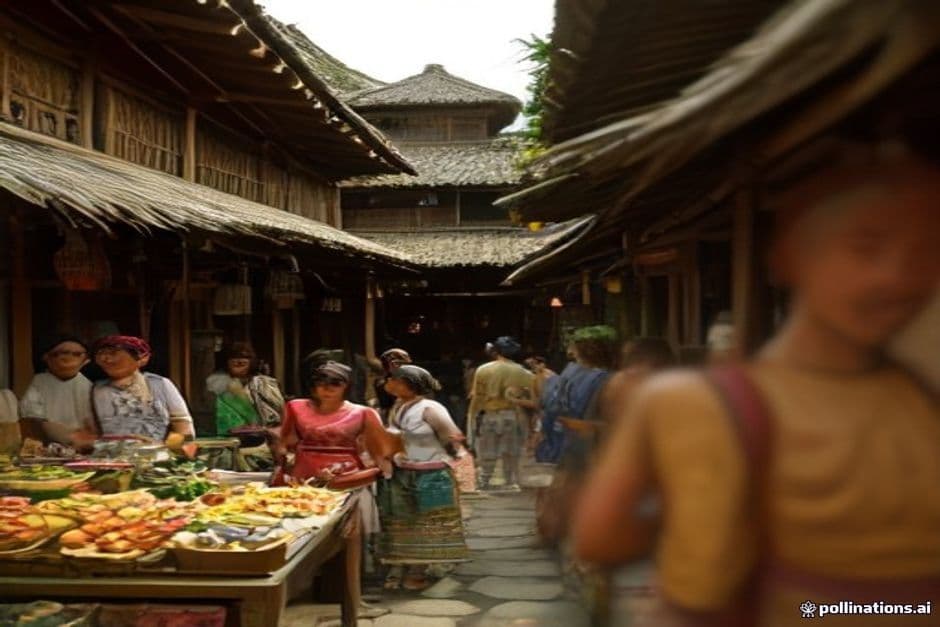
Investors Eye Bali's Eco-Tourism Ventures Amid Rising Global Consciousness
As eco-tourism gains traction worldwide, Bali emerges as a hotspot for investments in sustainable travel ventures. Local entrepreneurs and international investors alike are capitalizing on the island's natural beauty and cultural richness to promote environmental responsibility.
Emergency Preparedness in Bali: A Community Focus Amid Natural Threats
As climate change intensifies weather patterns, Bali's communities are stepping up emergency preparedness measures. Local authorities emphasize the importance of readiness as the island faces increased risks from natural disasters.
Innovative Water Management Strategies Address Bali's Scarcity Crisis
Bali's growing water scarcity has prompted local governments and communities to implement innovative water management strategies. These initiatives aim to balance the needs of agriculture, tourism, and the local population while preserving the island's natural resources.
Skill Development Initiatives Spark Job Growth Across Bali's Industries
Bali is witnessing a surge in job training programs aimed at enhancing workforce skills. Local businesses and educational institutions are collaborating to address employment challenges and meet industry demands.
In Ubud, the Intersection of Art and Technology Sparks New Culture
As artists in Ubud embrace digital platforms, a cultural renaissance unfolds that blends traditional Balinese artistry with modern technology. This shift is redefining not only art consumption but also local community dynamics.
Comments (0)
No comments yet. Be the first!