Emergency Services Gear Up for Potential Tsunami Risks in Bali
As seismic activity increases near Bali, local authorities prepare for potential tsunami threats. Emergency drills and safety measures are being reinforced to protect both residents and tourists in vulnerable coastal areas.

The sun dipped below the horizon casting a golden glow over the beaches of Kuta, where tourists lounged under the fading light, unaware of the growing seismic tensions beneath the ocean. Just a few kilometers offshore, the tectonic plates shifted and groaned, sending ripples of concern through the local government. Bali, renowned for its stunning landscapes and vibrant culture, now faces a pressing need to address the potential dangers associated with its geographical setting.
In recent weeks, seismic activity has intensified, prompting the Bali Disaster Mitigation Agency (BPBD) to issue warnings about the possibility of tsunamis. The agency reported an uptick in minor earthquakes, particularly in the Bali Sea and surrounding regions, raising alarms among local officials and disaster preparedness teams. “We are closely monitoring the situation,” stated the head of BPBD, I Made Rentin. “It’s crucial that we are ready to respond swiftly in the event of a significant seismic event.”
Recognizing the risks, authorities are ramping up their emergency response strategies. Emergency drills have been scheduled across coastal communities, particularly in areas such as Canggu and Sanur, where the threat of tsunamis is more pronounced. These drills aim to educate both locals and tourists on evacuation routes and safety protocols. “We want everyone to know what to do if they feel an earthquake or receive a tsunami alert,” added Rentin, emphasizing the importance of preparedness.
In addition to drills, the government is enhancing its physical infrastructure by installing tsunami warning signs along popular beach destinations. These signs provide critical information on evacuation routes and safety zones, ensuring that both locals and visitors can act quickly in the face of natural disasters. “It’s all about minimizing panic and ensuring safety,” explained Ni Wayan Sari, an official from the Department of Tourism. “We want tourists to enjoy their time here without fear, but they must also be aware of the natural risks.”

The potential for a tsunami is not just a local concern but has implications for Bali’s tourism industry, which is vital to the island's economy. In 2019, Bali welcomed over 6 million international tourists, many of whom flock to its beaches each year. The thought of a natural disaster could deter visitors, leading to significant economic repercussions. “Tourism is our lifeblood,” noted Sari. “We need to strike a balance between promoting safety and maintaining our reputation as a top travel destination.”
Moreover, local fishermen and coastal communities are also being engaged in the preparedness initiatives. Fishermen, who often work in the early morning hours, are being trained to recognize signs of seismic activity and understand how to respond effectively. “We spend a lot of time at sea,” stated Ketut, a fisherman from Jimbaran. “Knowing what to do can save lives.”
As the situation evolves, the government continues to encourage residents and tourists to stay informed through official channels. The BPBD has launched a dedicated online platform to provide updates on seismic activities and safety tips. “We want to ensure everyone has access to the latest information,” said Rentin. “Preparedness is everyone’s responsibility.”
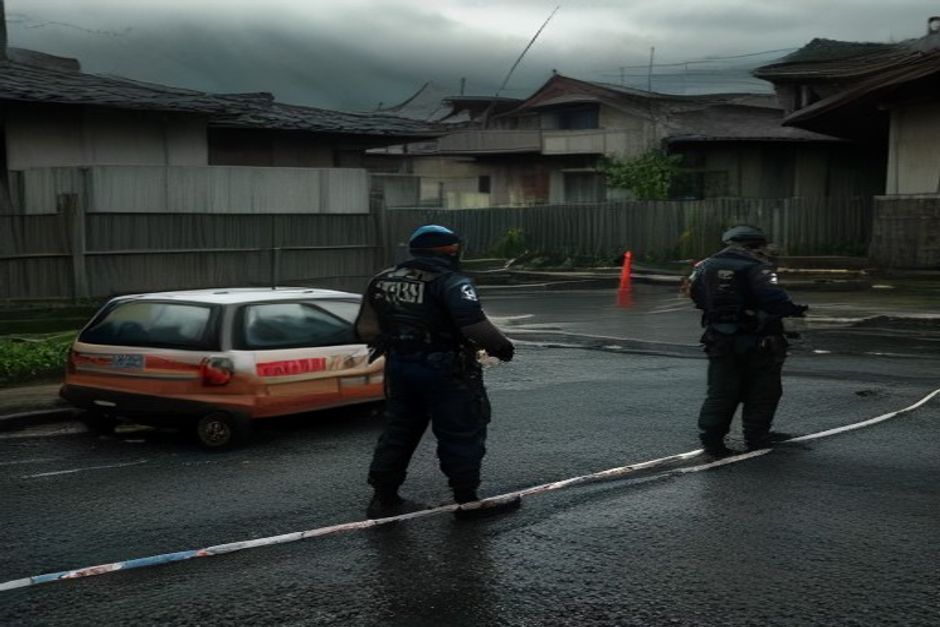
While the threat of tsunamis looms, the Balinese community remains resilient. Local organizations are working tirelessly to foster a culture of safety and preparedness. Community events featuring workshops and informational sessions are being organized to raise awareness about disaster readiness.
In a region often associated with idyllic landscapes and serene beaches, the reality of living in a tectonically active zone is a stark reminder of nature's unpredictable power. As Bali navigates this delicate balance between its natural beauty and the potential for disaster, the unity of its community, both local and international, will be paramount in ensuring safety and resilience.
As preparations continue, residents and visitors alike are reminded to stay vigilant and informed. The interplay between Bali’s stunning allure and its geological risks creates a dynamic landscape, one that requires constant awareness and preparedness. For now, Bali remains a paradise, but with the understanding that nature’s forces must always be respected.



Read Also from Other Categories

Ubud's Thriving Spiritual Tourism: A New Chapter in Visitor Engagement
Ubud is emerging as a key player in Bali's spiritual tourism scene, attracting visitors seeking authentic experiences. With a focus on local traditions and wellness, the area is redefining how tourists engage with Balinese culture.

Transforming Bali's Public Services: AI Integration Gains Momentum
The Bali provincial government is ramping up efforts to integrate artificial intelligence into public services, aiming for a more efficient administrative process. This shift reflects a growing trend across Indonesia as local governments adopt digital solutions to enhance service delivery.

Emerging Trends in Bali's Investment Landscape: The Rise of Impact Startups
Bali is witnessing a significant shift in investment trends as impact startups gain traction. With a focus on social and environmental benefits, these ventures are attracting both local and international funding in unprecedented ways.

Local Farmers Transition to Agro-Tourism Amidst Climate Challenges
As climate change impacts agriculture, Bali's farmers are embracing agro-tourism to sustain their livelihoods. This shift not only preserves local culture but also enhances community engagement and economic resilience.

Job Opportunities in Bali's Agriculture Sector: A Path to Sustainability
Bali's agriculture sector is undergoing a transformation, presenting new job opportunities to locals. With a focus on sustainable practices, training programs are paving the way for a greener future in employment.

Rethinking Bali's Digital Nomad Policies: A Call for Sustainable Integration
Bali's digital nomad community has surged by 35% in the past year, prompting discussions on the need for more structured policies. Experts argue that without strategic planning, the influx could strain local resources and cultural integrity.
Comments (0)
No comments yet. Be the first!