Emergency Alerts Increased as Bali Faces Unprecedented Wildfire Risks
Bali is grappling with a surge in wildfire incidents, prompting emergency alerts across the region. Local authorities are intensifying efforts to mitigate risks as dry weather persists and tourist areas become vulnerable.
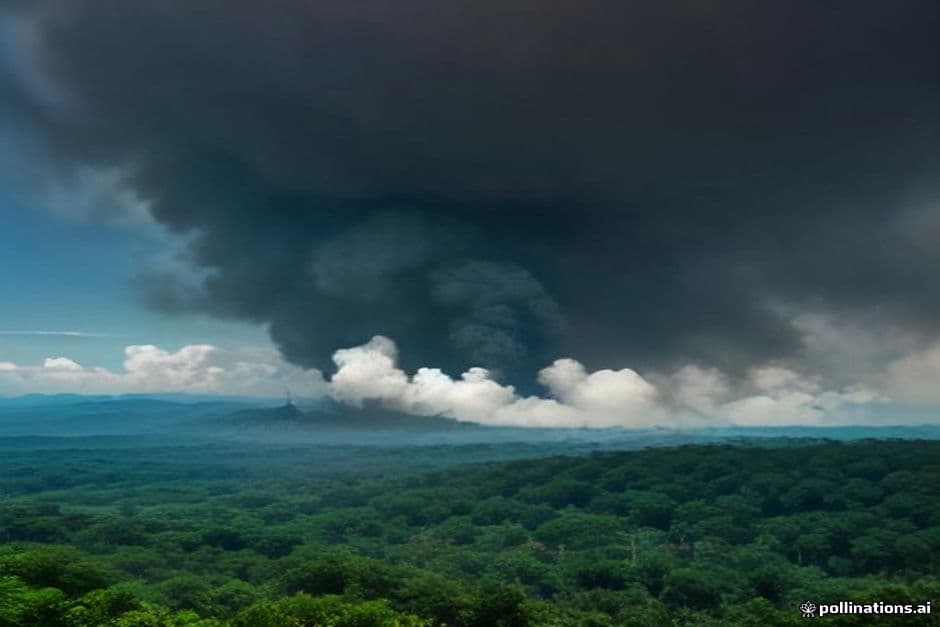
Bali is experiencing an alarming rise in wildfire incidents, leading to heightened emergency alerts and concerns among residents and tourists alike. With the dry season in full swing, local authorities are urging communities to remain vigilant as the threat of wildfires looms over popular areas, including Ubud and Canggu, known for their lush landscapes and tourism appeal.
In recent weeks, reports indicate that the number of wildfire incidents has increased significantly, with emergency services responding to multiple blazes in the region. The Bali Forest Agency has noted that approximately 30 wildfires have been recorded since the beginning of the dry season, a sharp rise compared to previous years. "The combination of high temperatures and dry conditions is creating an environment ripe for wildfires," said Ketut Sudiarta, Head of the Bali Forest Agency.
Emergency alerts have been issued particularly in areas close to dense vegetation and tourist hotspots. The most recent fire occurred near the sacred Ubud Monkey Forest, which forced temporary closures and raised concerns about the safety of visitors. Authorities are now actively monitoring key areas, including the Bukit Peninsula and the northern regions of Bali, which are especially vulnerable to fire outbreaks.
Tourism, a critical component of Bali's economy, is at stake as these wildfires threaten both natural resources and the local ambiance that attracts millions of visitors annually. "While we want tourists to enjoy the beauty of Bali, their safety is our priority. We must ensure that emergency protocols are in place to prevent any tragedies," added Sudiarta.

In response to the rising threat, the local government has initiated several measures. These include increased funding for fire prevention strategies, community education programs on fire safety, and enhanced coordination with local firefighting units. The Bali Disaster Mitigation Agency (BPBD) has also been mobilizing volunteers to assist in monitoring fire-prone areas and conducting controlled burns to reduce excess vegetation.
Environmental experts have urged for long-term solutions to combat the increasing wildfire risks. They emphasize the importance of sustainable land management practices and the need for stricter regulations on land clearing and waste disposal. "It's crucial that we address the underlying issues that contribute to wildfires, such as illegal land clearing for agriculture and tourism development," stated Dr. I Made Suardika, an environmental scientist at Udayana University.
The situation has also prompted discussions among local businesses and tourism operators regarding emergency preparedness. Many are now implementing their own safety protocols, including emergency evacuation plans and fire drills for staff, to ensure the safety of tourists during the dry season.
As the dry season continues, the threat of wildfires in Bali remains high. Authorities are urging the public to report any suspicious activities or fires immediately and to adhere to safety guidelines issued by local agencies. The upcoming months are critical for Bali, as the community comes together to combat this pressing challenge and safeguard both its residents and visitors.
In light of the ongoing wildfire threats, experts are advocating for greater awareness and preventive measures to mitigate the risks. Community engagement and education on fire safety are becoming increasingly essential as Bali navigates this challenging situation.



Read Also from Other Categories

Ubud's Thriving Spiritual Tourism: A New Chapter in Visitor Engagement
Ubud is emerging as a key player in Bali's spiritual tourism scene, attracting visitors seeking authentic experiences. With a focus on local traditions and wellness, the area is redefining how tourists engage with Balinese culture.

Transforming Bali's Public Services: AI Integration Gains Momentum
The Bali provincial government is ramping up efforts to integrate artificial intelligence into public services, aiming for a more efficient administrative process. This shift reflects a growing trend across Indonesia as local governments adopt digital solutions to enhance service delivery.

Emerging Trends in Bali's Investment Landscape: The Rise of Impact Startups
Bali is witnessing a significant shift in investment trends as impact startups gain traction. With a focus on social and environmental benefits, these ventures are attracting both local and international funding in unprecedented ways.

Local Farmers Transition to Agro-Tourism Amidst Climate Challenges
As climate change impacts agriculture, Bali's farmers are embracing agro-tourism to sustain their livelihoods. This shift not only preserves local culture but also enhances community engagement and economic resilience.

Job Opportunities in Bali's Agriculture Sector: A Path to Sustainability
Bali's agriculture sector is undergoing a transformation, presenting new job opportunities to locals. With a focus on sustainable practices, training programs are paving the way for a greener future in employment.

Rethinking Bali's Digital Nomad Policies: A Call for Sustainable Integration
Bali's digital nomad community has surged by 35% in the past year, prompting discussions on the need for more structured policies. Experts argue that without strategic planning, the influx could strain local resources and cultural integrity.
Comments (0)
No comments yet. Be the first!