Cultural Immersion: Bali's Newest Trend in Tourist Attractions
As Bali continues to evolve, a growing trend in tourism is the push for deeper cultural immersion experiences. Visitors are now seeking authentic connections with local traditions, enhancing their travel experience and supporting the community.
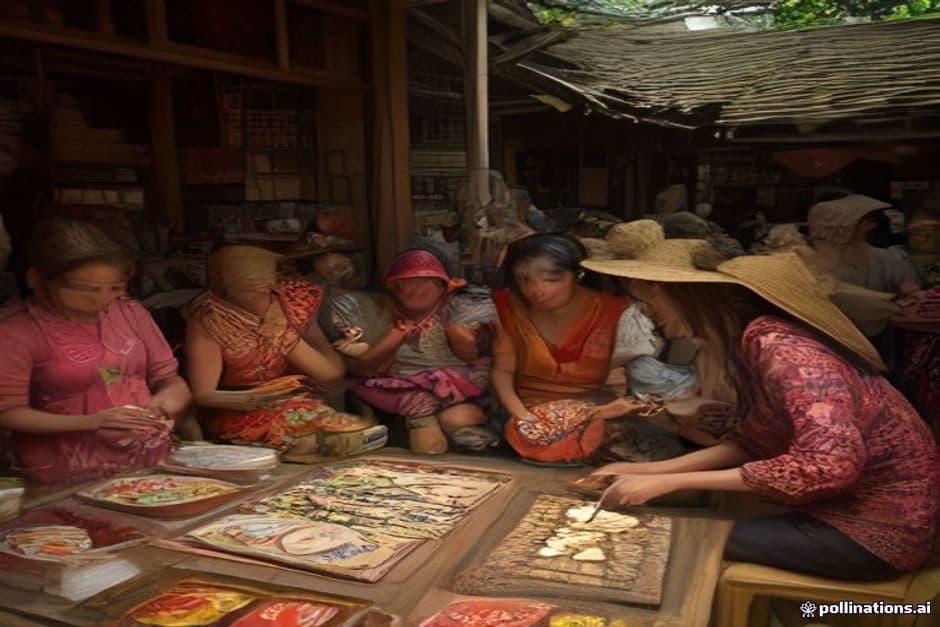
At the bustling open-air market in Seminyak, the aroma of satay mingles with the sounds of laughter and chatter as tourists and locals alike gather around vibrant stalls. A group of visitors huddles around a charismatic Balinese artisan, who skillfully demonstrates the intricate process of making traditional batik fabric. Eyes wide with fascination, the tourists eagerly ask questions, hoping to understand the significance of each pattern and color. This scene encapsulates a burgeoning trend in Bali's tourism sector: the desire for authentic cultural experiences.
In recent years, Bali has seen a significant shift in the way tourists engage with the island's rich heritage. Beyond the well-trodden paths of sun-soaked beaches and luxury resorts, travelers are increasingly seeking opportunities to immerse themselves in the local culture. This desire for deeper connections has led to a rise in experiences that empower local artisans, promote sustainable practices, and foster community engagement.
Local initiatives, such as the Bali Cultural Exchange program, play a pivotal role in this trend. The program connects tourists with local families, allowing visitors to stay in traditional homes and participate in daily activities—from cooking Balinese dishes to learning traditional dance. According to the program's coordinator, Made Sujana, "Travelers are no longer satisfied with just seeing Bali; they want to experience it. They crave a connection that is genuine and meaningful." This sentiment reflects a broader movement among travelers, particularly millennials and Gen Z, who prioritize experiences over material possessions.
The impact of this trend is palpable across the island. In Ubud, once known primarily for its yoga retreats, visitors can now engage in workshops led by local artists, such as painting classes with Balinese masters or sculpting sessions with talented craftsmen. According to recent data from the Bali Tourism Board, cultural workshops have seen a 35% increase in participation over the past year, highlighting the growing interest in hands-on experiences that foster learning and appreciation for Balinese culture.

Moreover, festivals centered around local traditions have become significant draws for tourists. Events like the Ubud Writers and Readers Festival and the Bali Arts Festival showcase the island's artistic heritage while providing platforms for cultural exchange. “These events not only attract tourists but also offer local artists a chance to shine,” shares Ayu Kartika, a local organizer. “They create a dialogue between cultures that enriches both visitors and residents.”
However, the rise of cultural tourism is not without its challenges. Concerns over the commercialization of traditions and the potential for cultural appropriation are at the forefront of discussions among community leaders. Many fear that as demand for these experiences grows, there may be a dilution of authenticity. Addressing these concerns, local authorities are implementing guidelines to ensure that cultural experiences are genuine and respectful, allowing the community to maintain ownership over their heritage.
In addition to preserving cultural integrity, there is also a focus on sustainability. Many local artisans and businesses are adopting eco-friendly practices to appeal to environmentally-conscious travelers. For instance, workshops that utilize natural dyes and sustainable materials are gaining popularity. The Bali Eco Tourism Association reports that sustainable tourism practices have increased by 40% in the last year, indicating a shift towards responsible travel.
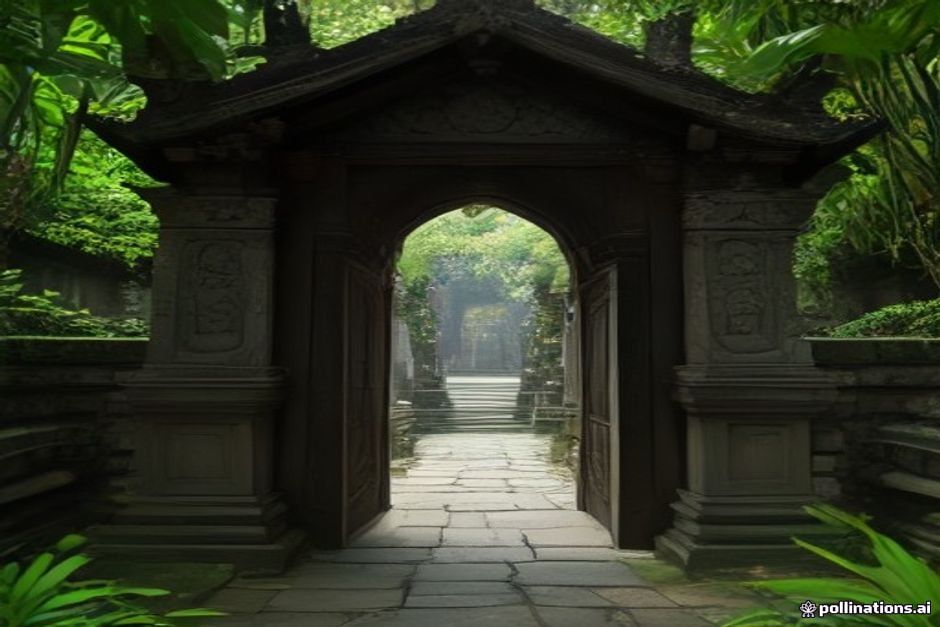
As Bali continues to embrace this trend, the future of its tourism sector appears promising. By enhancing cultural immersion experiences, the island not only attracts a new wave of visitors but also strengthens its communities. The potential for economic growth through cultural tourism is significant, with projections estimating an increase of 20% in revenue from cultural activities over the next five years.
On a quiet morning in a traditional Balinese village, a group of tourists learns the art of making offerings from local women, their hands carefully arranging flowers and rice. As they engage in this sacred practice, they gain insight into the spiritual significance behind it, creating a bond that transcends language and culture. This moment encapsulates the essence of what many are now seeking: a genuine connection that fosters understanding and appreciation for the beauty of Balinese culture.
In conclusion, as Bali adapts to the evolving desires of tourists, the focus on cultural immersion is reshaping the island's tourism landscape. With a commitment to authenticity and sustainability, Bali is poised to offer visitors enriching experiences that not only satisfy their curiosity but also contribute to the preservation of its unique heritage.

Read Also from Other Categories

Jakarta's New Policies Spark Controversy Over Bali's Agricultural Future
Recent agricultural policies from Jakarta are causing a stir in Bali, raising concerns among local farmers about their livelihoods. The provincial government is pushing back against regulations perceived as detrimental to traditional practices and food security.
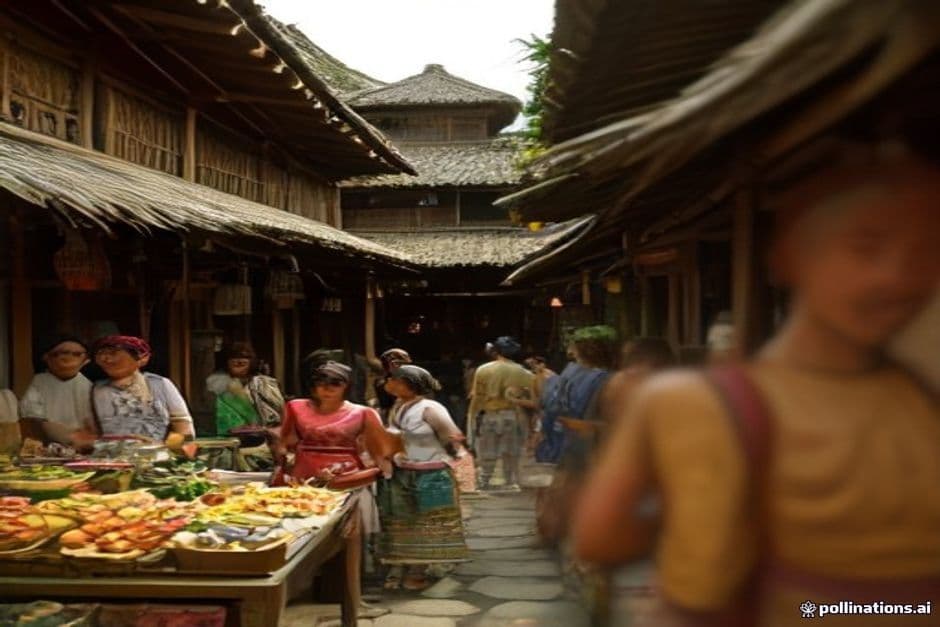
Investors Eye Bali's Eco-Tourism Ventures Amid Rising Global Consciousness
As eco-tourism gains traction worldwide, Bali emerges as a hotspot for investments in sustainable travel ventures. Local entrepreneurs and international investors alike are capitalizing on the island's natural beauty and cultural richness to promote environmental responsibility.

Emergency Preparedness in Bali: A Community Focus Amid Natural Threats
As climate change intensifies weather patterns, Bali's communities are stepping up emergency preparedness measures. Local authorities emphasize the importance of readiness as the island faces increased risks from natural disasters.

Innovative Water Management Strategies Address Bali's Scarcity Crisis
Bali's growing water scarcity has prompted local governments and communities to implement innovative water management strategies. These initiatives aim to balance the needs of agriculture, tourism, and the local population while preserving the island's natural resources.
Skill Development Initiatives Spark Job Growth Across Bali's Industries
Bali is witnessing a surge in job training programs aimed at enhancing workforce skills. Local businesses and educational institutions are collaborating to address employment challenges and meet industry demands.
In Ubud, the Intersection of Art and Technology Sparks New Culture
As artists in Ubud embrace digital platforms, a cultural renaissance unfolds that blends traditional Balinese artistry with modern technology. This shift is redefining not only art consumption but also local community dynamics.
Comments (0)
No comments yet. Be the first!