Cultural Heritage Boosts Bali Tourism with Authentic Experiences
Bali's tourism sector is witnessing a resurgence as visitors seek authentic cultural experiences. Recent data indicates a 25% increase in tourist participation in local heritage activities, reshaping the island's tourism landscape.

In 2026, Bali's tourism industry is experiencing a notable transformation, with a remarkable 25% increase in participation in cultural heritage activities among tourists. This trend reflects a growing desire among visitors to engage more deeply with the island's rich traditions, moving beyond the typical resort experience to seek authenticity and connection with local communities.
The Indonesian Ministry of Tourism reported that over 3 million foreign tourists engaged in cultural events and heritage tours in the first half of 2026, a significant rise from 2.4 million in the same period last year. This surge is attributed to various factors, including the island's extensive cultural offerings and initiatives aimed at promoting local traditions.
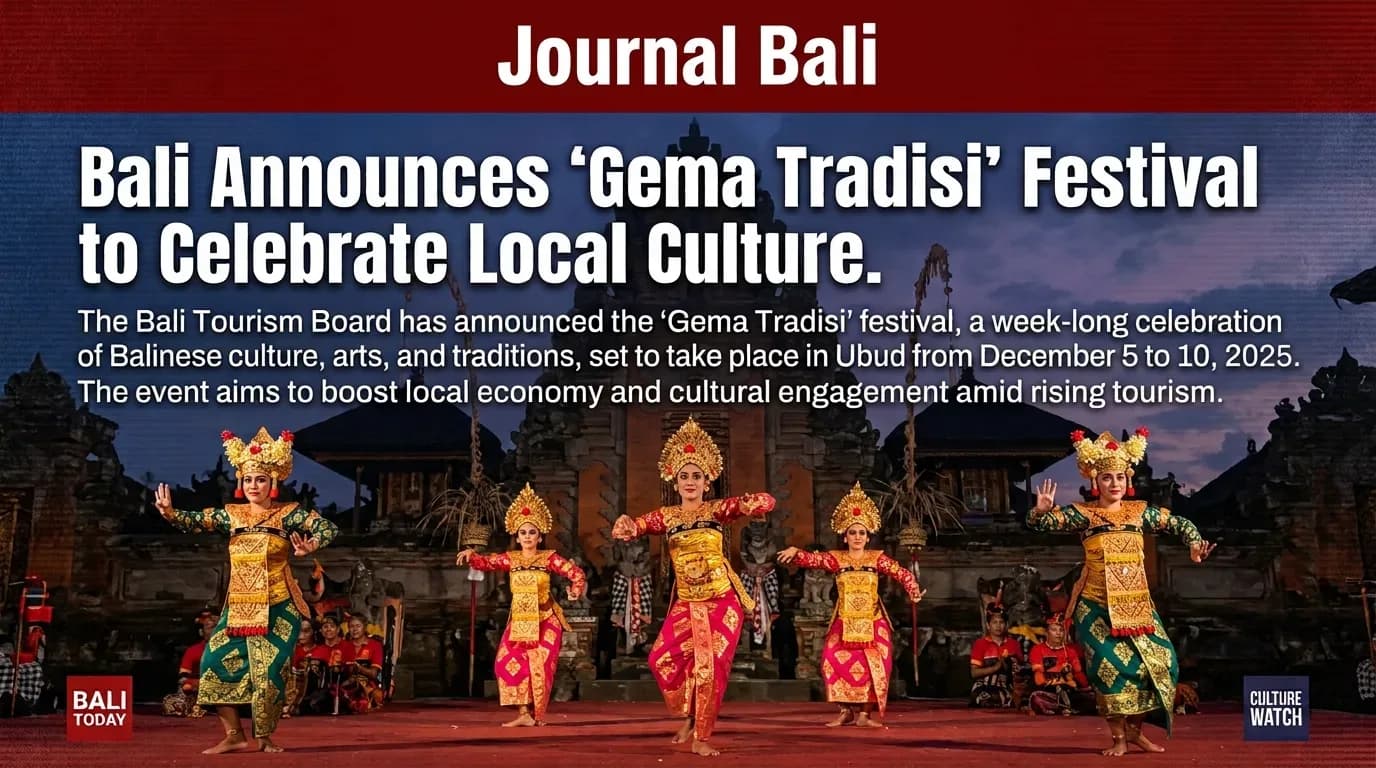
One notable development is the establishment of the Bali Cultural Festival, which debuted in January 2026. This festival showcases traditional Balinese art, dance, and cuisine, attracting over 100,000 attendees in its inaugural year. With its diverse programming, the festival aims to highlight the island's unique cultural identity and encourage sustainable tourism practices.
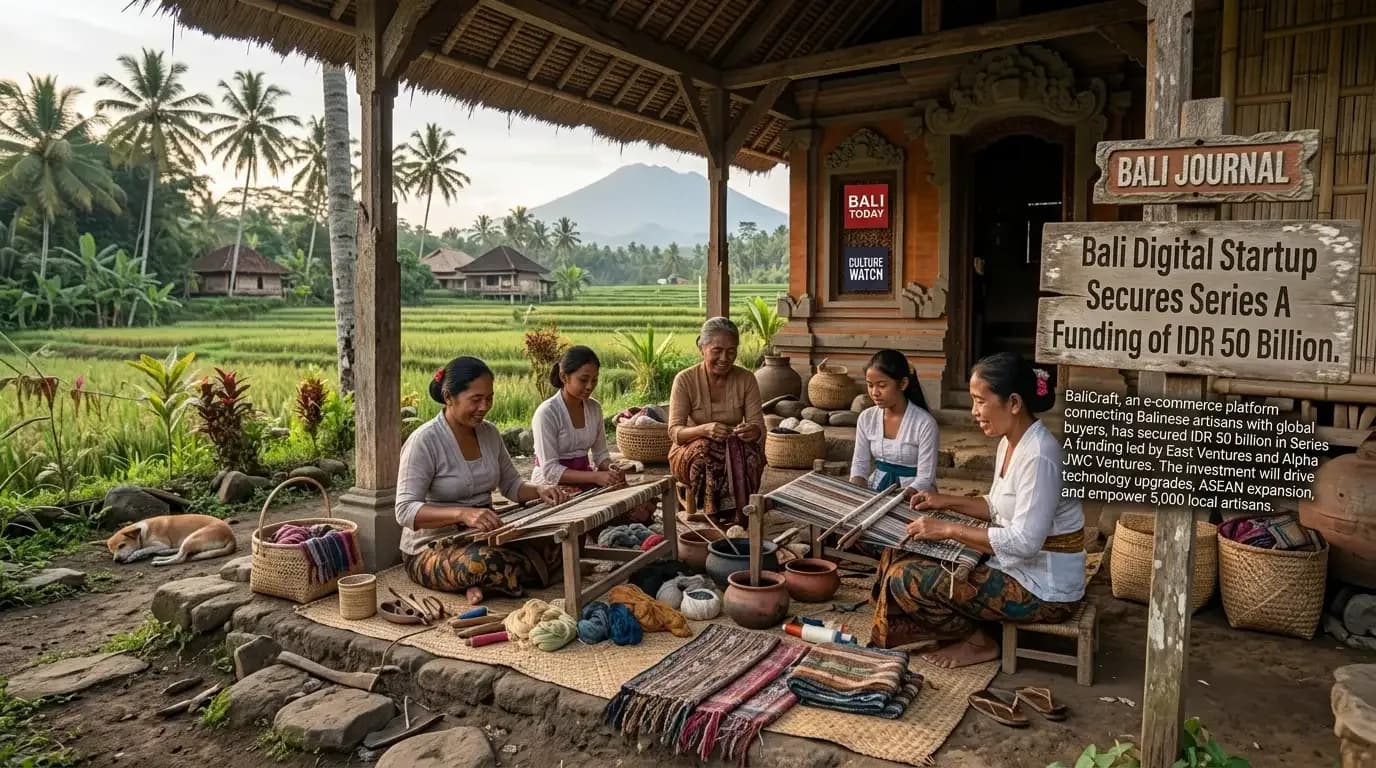
Local stakeholders, including the Bali Tourism Board, have been actively promoting heritage tourism as a means to diversify the industry. By collaborating with local artisans, performing groups, and culinary experts, they have crafted unique experiences that allow tourists to immerse themselves in Balinese culture. For instance, visitors can partake in traditional cooking classes, dance workshops, and temple ceremonies, enriching their travel experience.

Furthermore, the rise of social media has amplified the visibility of these authentic experiences. Influencers and travelers alike are sharing their cultural encounters, prompting a shift in the type of tourism that is popular among younger generations. This trend has led to an increase in demand for eco-friendly accommodations that align with the values of conscious travelers.
In a direct comparison, the popularity of cultural heritage activities in Bali is significantly higher than in neighboring tourist destinations such as Thailand, where engagement in similar activities saw only a 15% increase in 2026. This difference highlights Bali's unique position as a cultural tourism hub in Southeast Asia.
However, the rise in cultural tourism also brings challenges. Local communities, while benefitting economically, express concerns about the preservation of their traditions amidst commercialization. To address this, the Bali Cultural Heritage Protection Agency is working on guidelines to ensure that cultural practices remain authentic and are not diluted by tourism pressures.

The Bali government has also introduced initiatives to train local guides in cultural history and sustainable practices, ensuring that tourists receive knowledgeable insights during their visits. This approach not only enhances the visitor experience but also empowers local communities by providing employment opportunities.
As Bali continues to position itself as a leader in cultural tourism, the impact on the local economy is becoming increasingly apparent. A recent economic study found that cultural tourism contributes to over 30% of Bali's GDP, underscoring its importance in the island's overall economic landscape.
In conclusion, the shift towards cultural heritage tourism in Bali represents a significant opportunity for both the tourism industry and local communities. By focusing on authenticity and sustainability, Bali is not only enhancing the visitor experience but also preserving its rich cultural legacy for future generations.

Read Also from Other Categories
Jakarta's Policy Changes Impact Bali's Infrastructure Development Plans
Recent policy adjustments from Jakarta are reshaping Bali's infrastructure initiatives. Local leaders are strategizing to align provincial needs with national directives to enhance public services and connectivity.

Emerging Investment Opportunities in Bali's Agricultural Sector
Bali's agricultural sector is witnessing a resurgence as investors turn to sustainable farming practices and agritech innovations. This trend highlights the potential for increased economic diversification and food security on the island.

Emergency Services Gear Up for Potential Tsunami Risks in Bali
As seismic activity increases near Bali, local authorities prepare for potential tsunami threats. Emergency drills and safety measures are being reinforced to protect both residents and tourists in vulnerable coastal areas.

Bali's Urban Development: A Push Towards Sustainable Infrastructure
Bali's local government is investing IDR 500 billion to enhance urban infrastructure while promoting sustainability. This initiative aims to balance modernization with cultural preservation across the island.

Job Opportunities Thrive as Bali Upskills Workforce through Partnerships
Bali is witnessing a surge in employment opportunities fueled by strategic partnerships between educational institutions and local businesses. Enhanced training programs are equipping the workforce with essential skills to meet the evolving demands of various sectors.

Tourism and Tradition: Bali's Artisans Struggle for Survival
As Bali's tourism industry rebounds, local artisans face challenges in preserving their craft. This tension between economic revival and cultural integrity raises critical questions about the future of Balinese artistry.
Comments (0)
No comments yet. Be the first!