Cultural Experiences Flourish as Bali Redefines Its Tourism Landscape
Bali's tourism industry is witnessing a transformative shift as cultural experiences gain momentum, attracting a diverse range of visitors. From traditional workshops to immersive community events, the island is setting the stage for a new era in travel.

As the sun sets over Ubud, the golden rays filter through the vibrant foliage of the local rice paddies, illuminating a group of tourists gathered around a Balinese artisan. They watch intently as he skillfully weaves intricate patterns into bamboo, a craft that has been passed down through generations. The air is filled with the earthy scent of the surrounding nature and the soft sounds of traditional gamelan music playing in the background, creating an atmosphere that feels both serene and captivating.
In recent months, Bali has seen a significant shift in its tourism landscape, with an increasing emphasis on cultural experiences. The island, renowned for its stunning beaches and luxury resorts, is now becoming a hub for travelers seeking deeper connections with its rich heritage. This trend aligns with a broader global movement towards experiential tourism, where visitors prioritize authenticity and local engagement over traditional sightseeing.
One of the standout initiatives driving this cultural renaissance is the Bali Cultural Workshop series, launched by the Bali Tourism Board. This program offers tourists the opportunity to participate in various workshops ranging from traditional cooking classes to Balinese dance lessons. "We want to show visitors that Bali is more than just a holiday destination; it is a place with vibrant traditions and stories to tell," says Made Suardika, Head of the Bali Tourism Board. "By engaging with local artisans and cultural practices, tourists leave with a sense of connection and understanding of our culture."
The workshops are not just a hit among tourists; they also provide a much-needed boost to local artisans and communities. For instance, a recent cooking class hosted in a traditional Balinese kitchen in the heart of Ubud attracted over 30 participants, directly benefiting the local chef and his family. The chef, Nyoman, expressed his enthusiasm: "It’s rewarding to share my family’s recipes and traditions with visitors. They leave with a taste of our culture, and I feel proud to showcase our heritage."
In addition to workshops, cultural festivals are playing a crucial role in reshaping Bali's tourism narrative. The annual Ubud Writers & Readers Festival, for example, has grown into a significant event in the literary world, attracting authors, poets, and thinkers from various backgrounds. The festival not only promotes literature but also fosters discussions on pressing global issues, drawing in intellectually curious travelers who seek to engage with the island's cultural fabric.
This year's festival saw a record attendance, with over 10,000 visitors participating in workshops, talks, and performances. Many attendees expressed their appreciation for the festival's immersive nature, which allowed them to interact with local authors and artists. "This festival has opened my eyes to the depth of Balinese culture and its relevance to global narratives," shared a festival-goer from Australia. "I leave feeling inspired and connected to this beautiful place."
The growth of cultural tourism in Bali is also reflected in the emergence of community-based tourism initiatives. Local villages are embracing this trend by offering authentic experiences that include guided tours of their daily lives, traditional ceremonies, and even agricultural activities. One such initiative in the village of Penglipuran allows visitors to participate in daily rituals and learn about the village's unique customs, providing an enriching experience that goes beyond mere observation.
As travelers increasingly seek experiences that resonate on a personal level, Bali's tourism industry is adapting to meet these demands. Hotels and resorts are incorporating local culture into their offerings, such as organizing cultural nights featuring traditional performances and local cuisine. This shift not only enhances the guest experience but also supports the preservation of Balinese traditions.
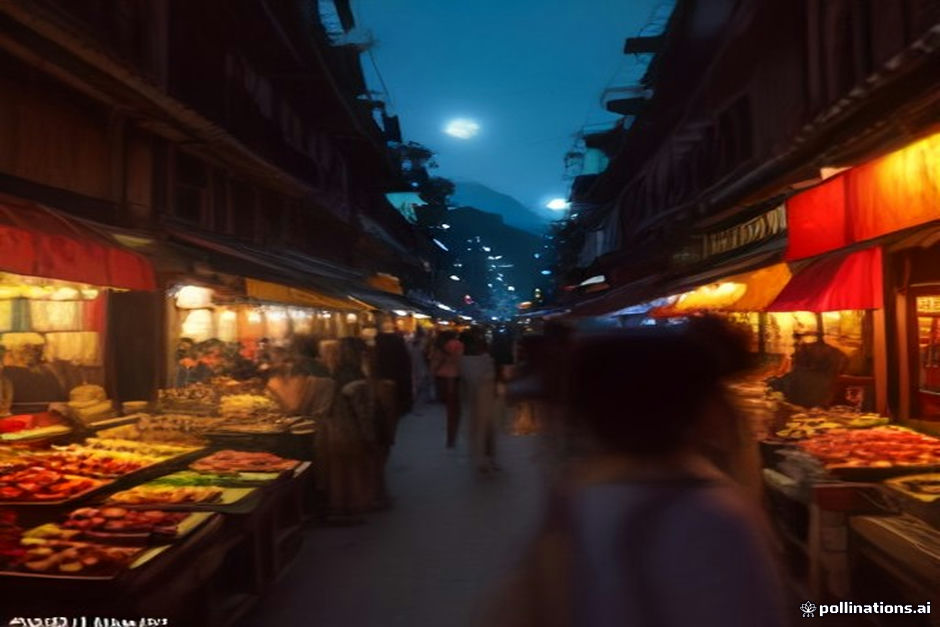
However, this cultural shift is not without its challenges. Local communities are grappling with the balance between preserving their heritage and catering to the demands of a growing tourist population. The influx of visitors can sometimes lead to cultural dilution, as commercial interests overshadow authentic practices. To combat this, community leaders are advocating for responsible tourism that prioritizes sustainability and cultural integrity.
Looking ahead, the future of Bali's tourism seems promising as cultural experiences continue to gain traction. With the support of local governments and organizations, there is potential for growth that honors the island's rich traditions while providing meaningful connections for visitors. As Bali forges its path in the evolving tourism landscape, it remains committed to showcasing its cultural heart, ensuring that both locals and tourists can thrive in this vibrant ecosystem.
In the end, as the last rays of sunlight dip below the horizon, the artisan finishes his bamboo weaving, and the group of tourists claps in appreciation. They share smiles and stories, having not only learned a skill but also forged a connection with Bali's culture that will last long after they return home. This is the essence of the new wave of tourism in Bali—where every experience is a step towards understanding and appreciation.



Read Also from Other Categories

Transforming Bali's Public Services: AI Integration Gains Momentum
The Bali provincial government is ramping up efforts to integrate artificial intelligence into public services, aiming for a more efficient administrative process. This shift reflects a growing trend across Indonesia as local governments adopt digital solutions to enhance service delivery.

Emerging Trends in Bali's Investment Landscape: The Rise of Impact Startups
Bali is witnessing a significant shift in investment trends as impact startups gain traction. With a focus on social and environmental benefits, these ventures are attracting both local and international funding in unprecedented ways.

Unexpected Water Supply Crisis Hits Bali Amid Rising Demand and Climate Change
Bali faces a critical water supply shortage, with demand increasing by 25% year-over-year. Local officials are mobilizing to address the crisis as climate change exacerbates existing challenges.

Local Farmers Transition to Agro-Tourism Amidst Climate Challenges
As climate change impacts agriculture, Bali's farmers are embracing agro-tourism to sustain their livelihoods. This shift not only preserves local culture but also enhances community engagement and economic resilience.
Job Opportunities in Bali's Agriculture Sector: A Path to Sustainability
Bali's agriculture sector is undergoing a transformation, presenting new job opportunities to locals. With a focus on sustainable practices, training programs are paving the way for a greener future in employment.
Rethinking Bali's Digital Nomad Policies: A Call for Sustainable Integration
Bali's digital nomad community has surged by 35% in the past year, prompting discussions on the need for more structured policies. Experts argue that without strategic planning, the influx could strain local resources and cultural integrity.
Comments (0)
No comments yet. Be the first!