Cultural Engagement Shapes Bali's Tourism Future Amid Global Trends
As Bali embraces a new era of cultural engagement, local festivals and community-driven initiatives are redefining the tourist experience. This shift is not only revitalizing cultural heritage but also strengthening bonds between locals and visitors.
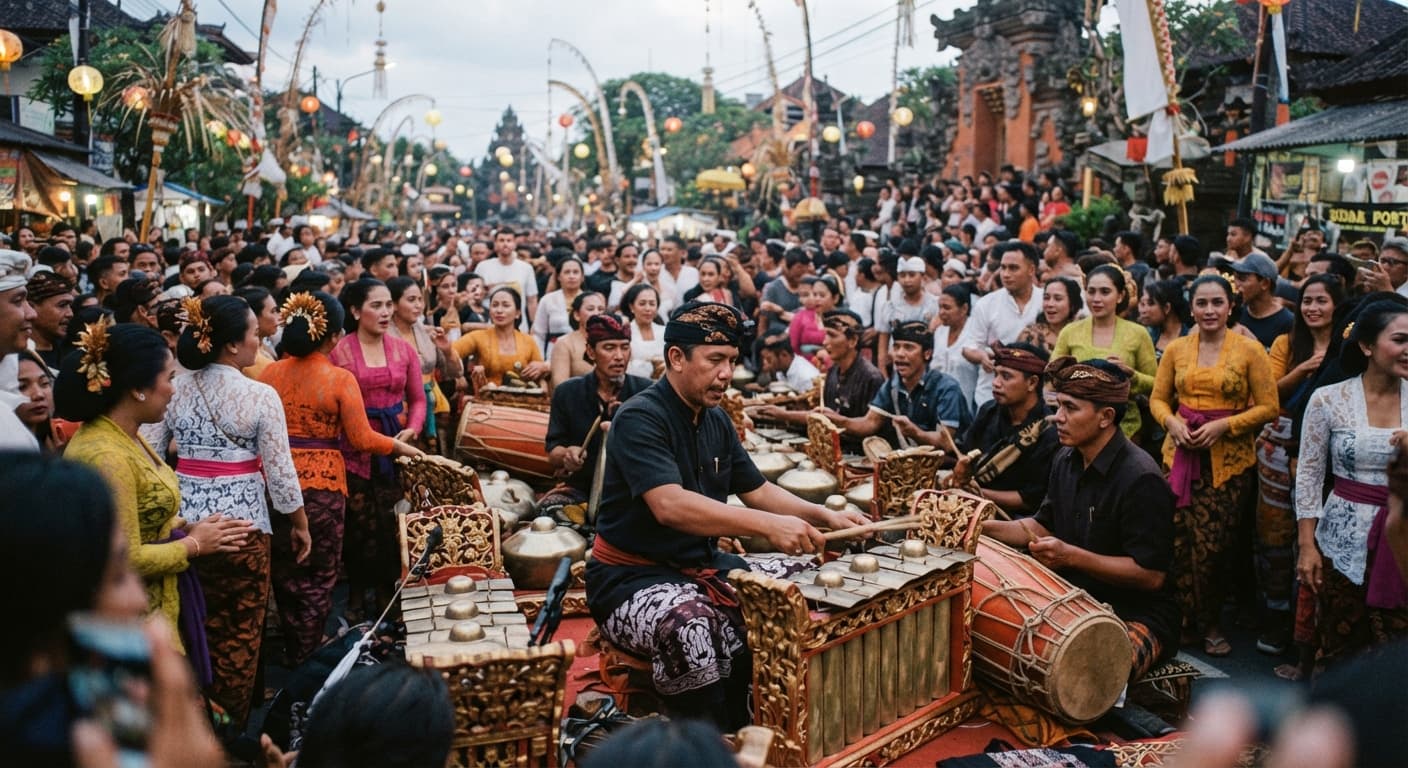
The sound of gamelan music fills the air as locals gather at the heart of Ubud for the annual Bali Arts Festival. The vibrant colors of traditional costumes sway with the rhythm, while the aroma of street food wafts through the crowd, enticing both residents and tourists alike. This lively scene serves as a backdrop to a broader transformation taking place across the island, where cultural engagement is becoming a cornerstone of Bali's tourism strategy.
In recent years, Bali has witnessed a surge in cultural festivals that not only celebrate local traditions but also invite tourists to immerse themselves in the island's rich heritage. The Bali Arts Festival, which runs for an entire month, showcases a variety of performances, exhibitions, and workshops, drawing in thousands from around the globe. This year, the festival welcomed over 500,000 visitors, highlighting the growing interest in cultural tourism.
As tourism numbers rebound post-pandemic, the Balinese government is keen on leveraging these cultural events to attract a diverse range of visitors. "We want to show the world that Bali is not just about beaches and luxury resorts," says I Gusti Ngurah Rai, Head of the Bali Tourism Board. "By promoting our cultural heritage, we can create a more sustainable tourism model that benefits both visitors and our local communities."
The focus on cultural engagement is resonating with travelers seeking authentic experiences. Many tourists are now prioritizing activities that allow them to connect with local traditions. Cooking classes, traditional dance workshops, and artisan craft sessions are gaining popularity, offering visitors a chance to learn directly from local experts. This shift is evident in areas like Canggu and Ubud, where businesses are adapting to cater to the demand for immersive cultural experiences.
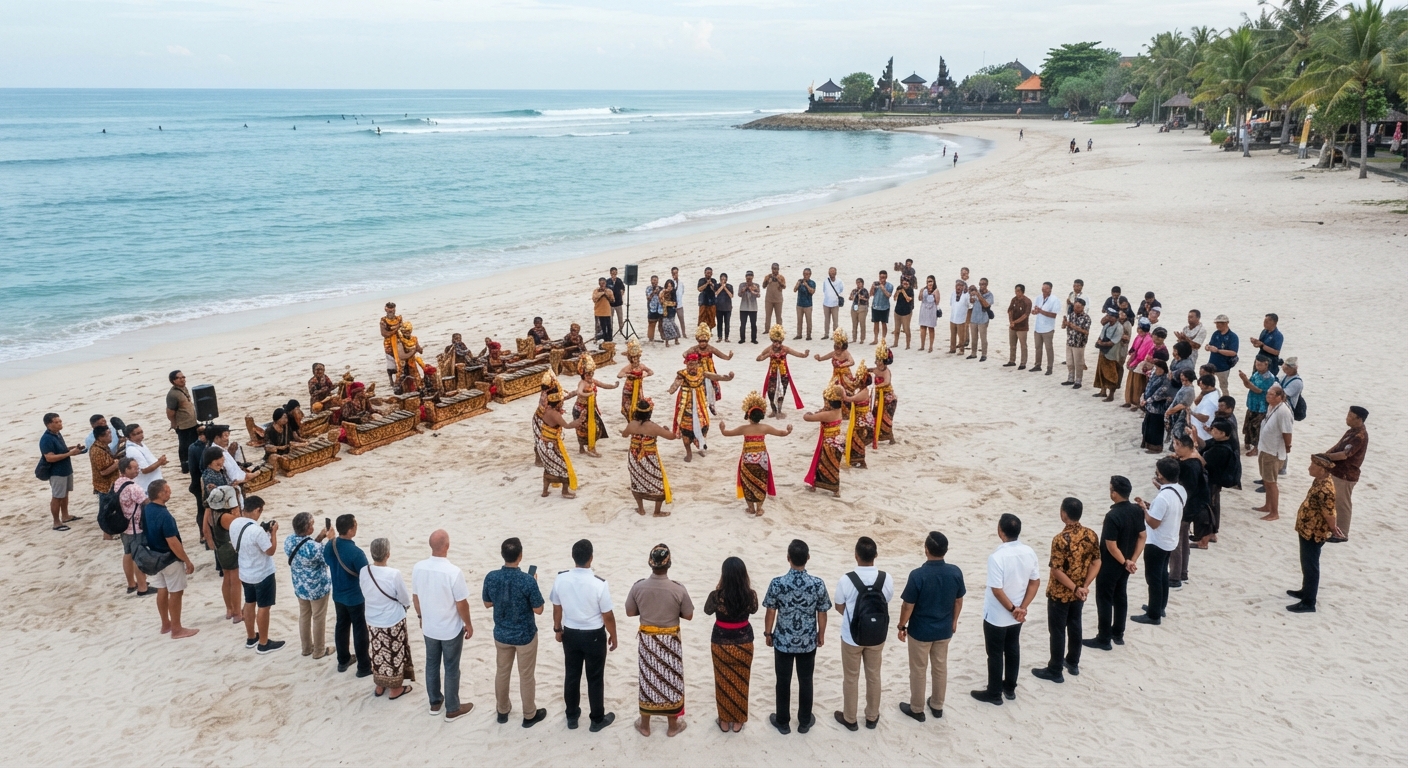
One such initiative is the 'Bali Village Experience,' which invites tourists to participate in daily village life. Participants can join rice planting activities, learn about traditional Balinese ceremonies, and even help prepare local dishes. This hands-on approach not only enriches the visitor experience but also fosters a sense of community, allowing tourists to engage meaningfully with their hosts.
Moreover, local artisans are stepping into the spotlight as cultural ambassadors. A group of craftswomen in Ubud has launched a series of workshops focusing on traditional weaving techniques. "We want to share our skills and stories with visitors, preserving our culture while also supporting our livelihoods," shares Ayu, one of the artisans. This initiative has not only provided an income stream for the artisans but has also attracted tourists eager to learn about Balinese craftsmanship.
However, this cultural revival is not without its challenges. As more tourists flock to Bali for these unique experiences, the delicate balance between preserving authenticity and commercializing culture becomes increasingly crucial. Local leaders are emphasizing the importance of sustainability in tourism practices to ensure that cultural traditions remain intact while providing economic opportunities.

Additionally, the rise of social media has played a significant role in shaping tourist expectations. Instagram-worthy moments are now a significant draw for visitors, prompting some cultural events to adapt their formats to appeal to a digital audience. While this can enhance visibility, it raises concerns about the potential commodification of culture.
To address these issues, the Bali Tourism Board is actively collaborating with local communities, cultural experts, and tourism stakeholders. This partnership aims to develop guidelines that protect cultural integrity while promoting tourism growth. "We are working on a sustainable tourism framework that respects our traditions and empowers our communities," adds I Gusti Ngurah Rai.
As Bali navigates this new chapter in its tourism narrative, the focus on cultural engagement promises to redefine the visitor experience. The island's ability to blend tradition with modernity will be essential in attracting a diverse range of tourists, ensuring that Bali remains a vibrant destination for years to come. With each festival, workshop, and artisan story, Bali is not just showcasing its culture; it is weaving a tapestry of connections between locals and visitors, fostering a sense of belonging that transcends borders.



Read Also from Other Categories

Transforming Bali's Public Services: AI Integration Gains Momentum
The Bali provincial government is ramping up efforts to integrate artificial intelligence into public services, aiming for a more efficient administrative process. This shift reflects a growing trend across Indonesia as local governments adopt digital solutions to enhance service delivery.

Emerging Trends in Bali's Investment Landscape: The Rise of Impact Startups
Bali is witnessing a significant shift in investment trends as impact startups gain traction. With a focus on social and environmental benefits, these ventures are attracting both local and international funding in unprecedented ways.

Unexpected Water Supply Crisis Hits Bali Amid Rising Demand and Climate Change
Bali faces a critical water supply shortage, with demand increasing by 25% year-over-year. Local officials are mobilizing to address the crisis as climate change exacerbates existing challenges.
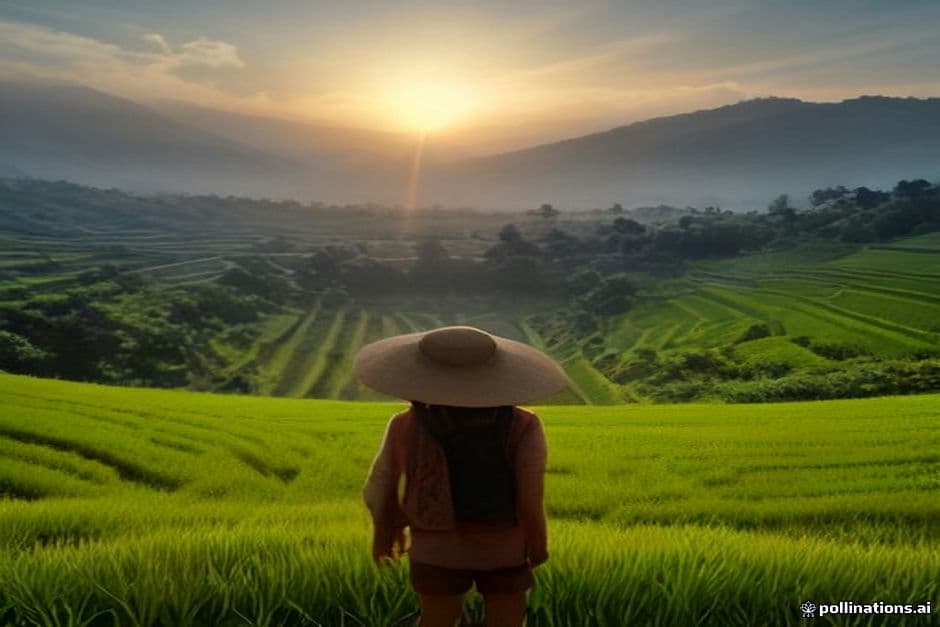
Local Farmers Transition to Agro-Tourism Amidst Climate Challenges
As climate change impacts agriculture, Bali's farmers are embracing agro-tourism to sustain their livelihoods. This shift not only preserves local culture but also enhances community engagement and economic resilience.
Job Opportunities in Bali's Agriculture Sector: A Path to Sustainability
Bali's agriculture sector is undergoing a transformation, presenting new job opportunities to locals. With a focus on sustainable practices, training programs are paving the way for a greener future in employment.
Rethinking Bali's Digital Nomad Policies: A Call for Sustainable Integration
Bali's digital nomad community has surged by 35% in the past year, prompting discussions on the need for more structured policies. Experts argue that without strategic planning, the influx could strain local resources and cultural integrity.
Comments (0)
No comments yet. Be the first!