Community Mobilizes for Eco-Friendly Infrastructure in Ubud
Residents of Ubud are uniting to advocate for sustainable infrastructure projects that honor the environment and enhance community life. This grassroots movement aims to balance development with the preservation of Bali's natural beauty and cultural heritage.
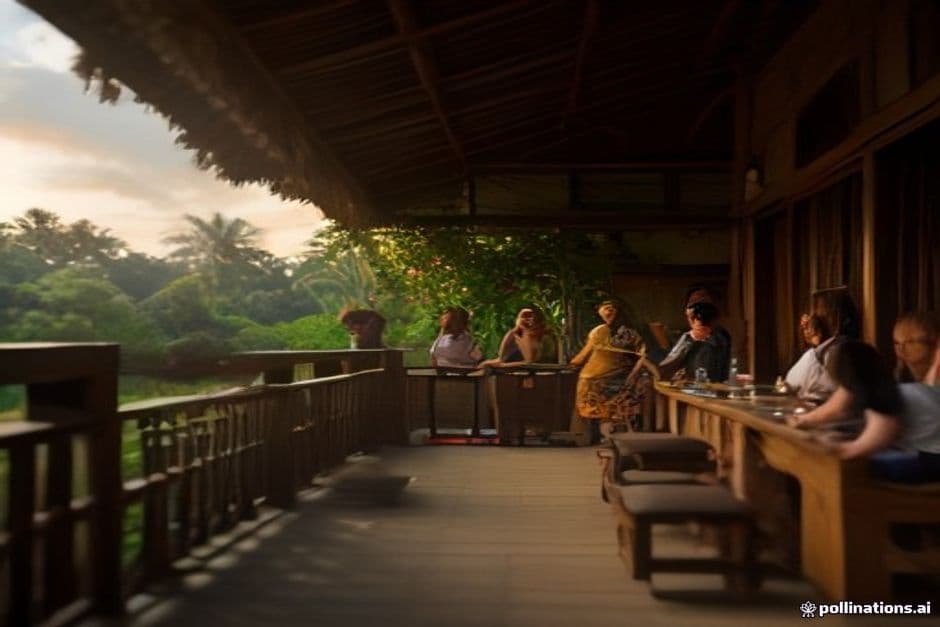
In the heart of Ubud, the vibrant sounds of traditional Balinese gamelan music blend with the hum of community discussions at the local village hall. Residents gather to voice their concerns about the rapid development threatening the lush landscapes and cultural sites that define this iconic region. The initiative, dubbed "Ubud Green Infrastructure," is a grassroots movement aimed at promoting sustainable projects that not only respect the environment but also enhance the quality of life for locals.
As the sun sets over the Campuhan Ridge, casting a golden hue over rice paddies, community leaders are mobilizing support for eco-friendly infrastructure proposals. "We want to ensure that Ubud’s charm isn’t lost in the rush for modernization," says Nyoman, a local farmer who has lived in the area for over 40 years. The group is pushing for developments that incorporate green spaces, efficient waste management systems, and renewable energy sources, addressing the concerns of both residents and the increasing number of visitors.
Ubud’s transformation has been swift, with new hotels and restaurants sprouting up, often at the expense of green spaces. The allure of tourism can overshadow the need for sustainable practices, but local advocates are determined to change that narrative. Their proposals include a network of pedestrian-friendly pathways, bike lanes, and community gardens that integrate seamlessly with Ubud’s natural beauty.
At the recent town hall meeting, excitement filled the air as plans were unveiled for a new eco-park on Jalan Raya Ubud. Designed to serve as a community hub, the park will feature native plants, walking trails, and spaces for cultural performances. "This park will not only beautify the area but also serve as a reminder of our commitment to preserving our heritage," notes Wayan, a local artist involved in the project.

Moreover, the local government has shown interest in supporting these initiatives. The Ubud Village Head, I Made, acknowledged the importance of community involvement in shaping the future of the area. “We are listening to the voices of our people and will prioritize projects that align with our cultural values and environmental goals,” he stated during the meeting.
To bolster their efforts, the community is actively engaging with environmental organizations and seeking partnerships with local businesses. Initiatives such as plastic-free campaigns and tree-planting days have gained momentum. These activities not only foster community spirit but also educate residents and tourists alike about the importance of environmental stewardship.
In addition to environmental concerns, the Ubud Green Infrastructure movement emphasizes cultural preservation. Residents are advocating for the protection of sacred sites and traditional ceremonies that are integral to Balinese identity. The community plans to host workshops that educate visitors on cultural practices while promoting responsible tourism.

As work on the eco-park begins, residents are excited to see their vision come to life. Local business owners are also optimistic, believing that sustainable infrastructure will attract eco-conscious tourists. "We want to create a destination that respects both our culture and our environment," says Ketut, a café owner on Monkey Forest Road.
The movement’s success hinges on continued community engagement and collaboration with government entities. As plans develop, the hope is that Ubud will set a precedent for other regions in Bali, showcasing how communities can thrive alongside nature.
As the vibrant colors of sunset fade into the night, the residents of Ubud remain steadfast in their mission. They envision a future where development aligns with sustainability, ensuring that the cultural and natural heritage of Bali is preserved for generations to come.

Read Also from Other Categories

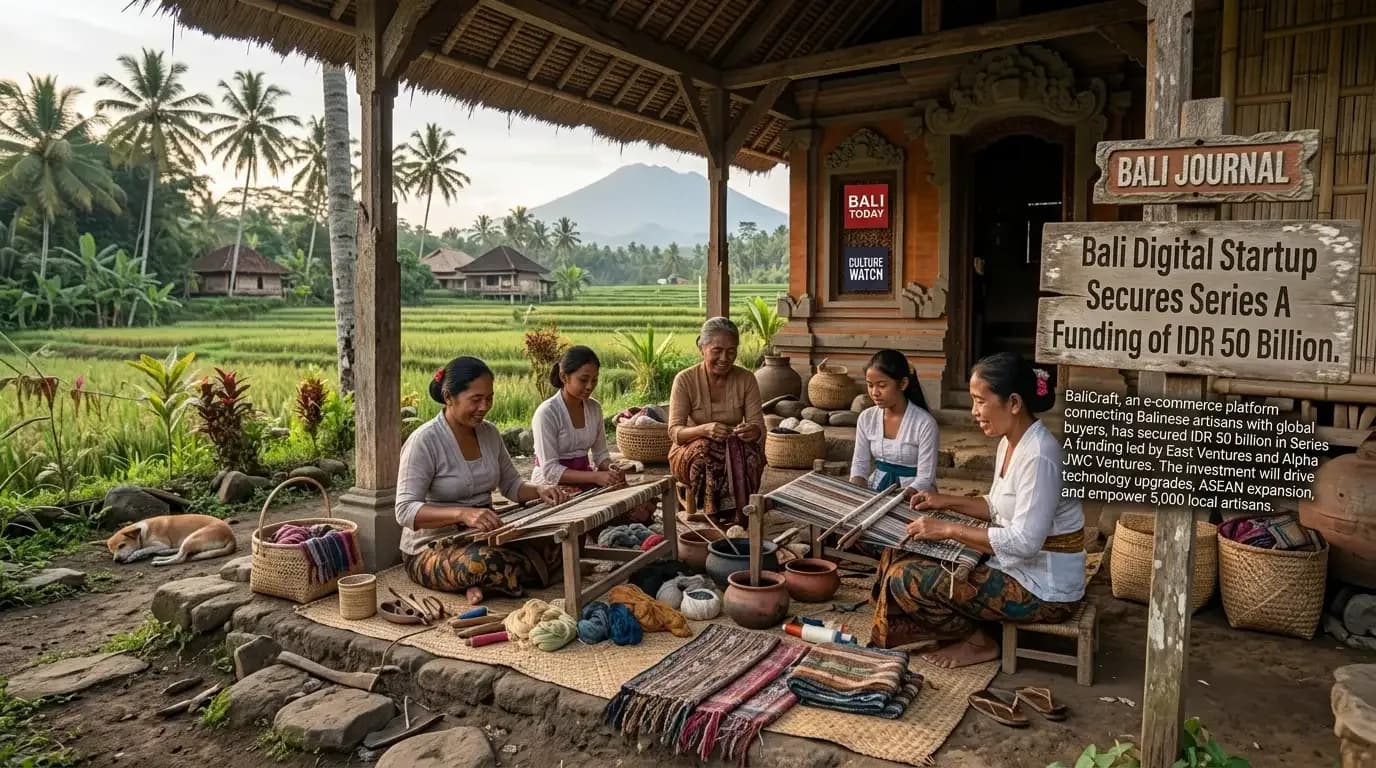
Reviving Bali's Traditional Arts: A Pathway to Sustainable Tourism Growth
Bali is witnessing a resurgence in traditional arts as local artisans embrace innovation to attract tourists. This revival not only supports cultural heritage but also contributes to the island's sustainable tourism goals.

Jakarta's New Policies Spark Controversy Over Bali's Agricultural Future
Recent agricultural policies from Jakarta are causing a stir in Bali, raising concerns among local farmers about their livelihoods. The provincial government is pushing back against regulations perceived as detrimental to traditional practices and food security.
Investors Eye Bali's Eco-Tourism Ventures Amid Rising Global Consciousness
As eco-tourism gains traction worldwide, Bali emerges as a hotspot for investments in sustainable travel ventures. Local entrepreneurs and international investors alike are capitalizing on the island's natural beauty and cultural richness to promote environmental responsibility.

Emergency Preparedness in Bali: A Community Focus Amid Natural Threats
As climate change intensifies weather patterns, Bali's communities are stepping up emergency preparedness measures. Local authorities emphasize the importance of readiness as the island faces increased risks from natural disasters.
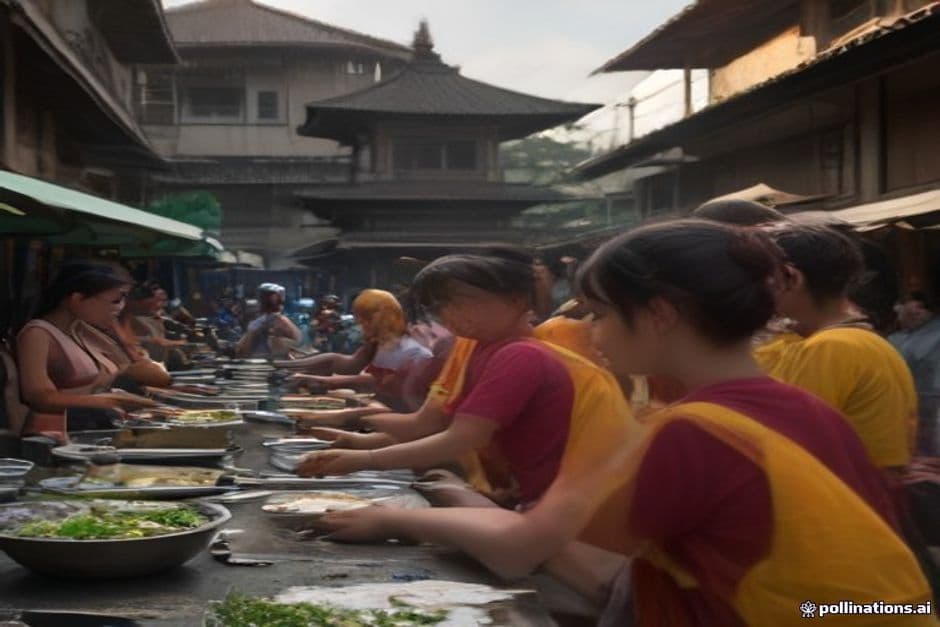
Skill Development Initiatives Spark Job Growth Across Bali's Industries
Bali is witnessing a surge in job training programs aimed at enhancing workforce skills. Local businesses and educational institutions are collaborating to address employment challenges and meet industry demands.
In Ubud, the Intersection of Art and Technology Sparks New Culture
As artists in Ubud embrace digital platforms, a cultural renaissance unfolds that blends traditional Balinese artistry with modern technology. This shift is redefining not only art consumption but also local community dynamics.
Comments (0)
No comments yet. Be the first!