Community Cooperatives Boost Bali's Sustainable Tourism Efforts
Local cooperatives in Bali are transforming the tourism landscape by promoting sustainable practices and cultural experiences. These initiatives foster community engagement and environmental awareness, essential for long-term tourism success.

In Bali, a growing number of community cooperatives are reshaping the tourism industry by integrating sustainability into their business models. These cooperatives are not only focusing on preserving local culture and traditions but are also committed to environmental conservation, enhancing the overall tourist experience while benefiting local residents.
One notable example is the Ubud Community Cooperative, which has been active since 2018. This cooperative focuses on providing authentic Balinese experiences through local workshops, guided tours, and culinary classes that emphasize traditional practices. By involving local artisans and farmers, the cooperative ensures that a larger portion of the tourism revenue stays within the community.
According to I Made Subandi, the head of the Ubud Community Cooperative, "Our goal is to create a sustainable tourism model that respects Balinese culture while providing economic benefits to our members." This cooperative has seen a significant increase in participation, with membership growing by 30% in the past year alone.
Meanwhile, the Tabanan Cooperative for Eco-Tourism has introduced eco-friendly initiatives that include waste management programs and the promotion of sustainable agriculture. They have partnered with local farmers to create farm-to-table dining experiences, allowing tourists to enjoy fresh, organic meals while learning about local agricultural practices. This initiative not only supports local farmers but also educates visitors about the importance of sustainable eating habits.

Furthermore, these cooperatives are attracting attention from local government officials who recognize the potential of sustainable tourism to enhance Bali's reputation as a destination. The Bali Tourism Board recently announced plans to collaborate with cooperatives to develop training programs aimed at improving service quality and sustainability practices across the island.
As part of these efforts, the board is set to launch the "Sustainable Bali" initiative, which will provide resources and training for cooperatives to enhance their offerings. "We believe that empowering local communities is key to the future of tourism in Bali," said the head of the Bali Tourism Board, I Gusti Ngurah Rai.
These cooperatives are also addressing environmental challenges associated with tourism. Many have implemented programs to reduce plastic waste and promote recycling among both locals and tourists. For instance, the Gianyar Cooperative has organized beach clean-up events that involve tourists, allowing them to contribute directly to the preservation of Bali's natural beauty.
The impact of these community initiatives is becoming increasingly visible. A recent survey indicated that 85% of tourists expressed a preference for experiences that support local communities and promote sustainability. This shift in traveler preferences is pushing more businesses to consider sustainable practices as a central part of their operations.

However, challenges remain. Many cooperatives are still struggling with funding and resources to expand their reach. To address this, several have sought partnerships with NGOs and international organizations that specialize in sustainable development. These collaborations are essential for securing the financial support needed to grow and sustain their initiatives.
Looking ahead, the future of these community cooperatives appears promising as they continue to innovate and adapt to changing tourist demands. With the support of local government and increasing tourist interest in sustainable practices, Bali's cooperatives are poised to play a crucial role in the island's tourism landscape.
As they advance, these cooperatives may serve as a model for other regions in Indonesia, showcasing how grassroots initiatives can lead to significant changes in tourism and community welfare. The success of Bali's cooperatives could inspire a broader movement towards sustainable tourism across the archipelago, emphasizing the importance of preserving local culture and the environment for future generations.


Read Also from Other Categories

Kelingking Beach Glass Lift (Bali) Faces Legal Setback
The Denpasar Administrative Court has sided with the investor in the Kelingking Beach glass lift dispute, while the Bali Provincial Government plans to appeal the decision.

Bali's New Tourism Policy Aims to Enhance Local Involvement
Bali's provincial government is implementing new tourism regulations that prioritize local community involvement and sustainable practices. These measures aim to bridge the gap between tourists and residents while preserving the island's cultural integrity.

Bali's Real Estate Investment Trend: A Shift Towards Sustainable Development
Bali's real estate sector is witnessing a transformative shift with a 30% increase in sustainable project investments over the last year. This trend highlights a growing commitment to eco-friendly developments amid rising environmental concerns.
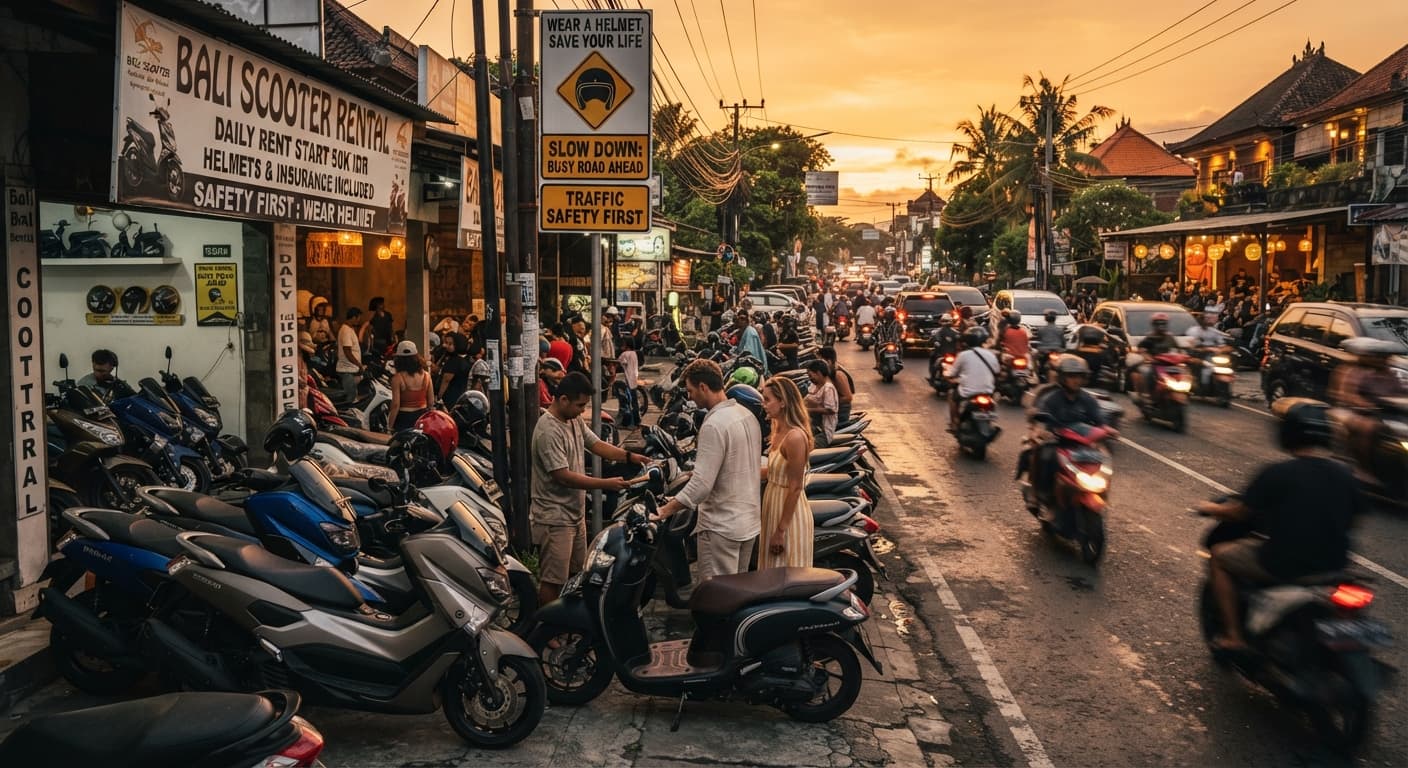
Bali's Rising Road Fatalities: A Call for Urgent Traffic Safety Measures
Bali experiences a concerning 25% increase in road fatalities in 2023, prompting calls for stricter traffic regulations. Experts warn that without immediate action, the island's tourist reputation and local safety will continue to suffer.

Bali's Job Market: Expanding Horizons for Career Development
As Bali's economy continues to recover, various sectors are witnessing a surge in employment opportunities. Job fairs and training programs are playing a crucial role in equipping residents with skills needed for the evolving market.

Navigating Bali's Food Scene: Local Cuisine Meets Global Influence
As Bali's food landscape evolves, local flavors intertwine with international trends, sparking a culinary renaissance. This fusion reflects both the island's rich heritage and the demands of a diverse dining clientele.
Comments (0)
No comments yet. Be the first!