Canggu's Infrastructure Strain: Local Residents Demand Sustainable Solutions
As Canggu becomes a hotspot for tourists and expats, infrastructure struggles threaten the quality of life for locals. Residents are advocating for sustainable solutions to combat traffic congestion and rising costs.
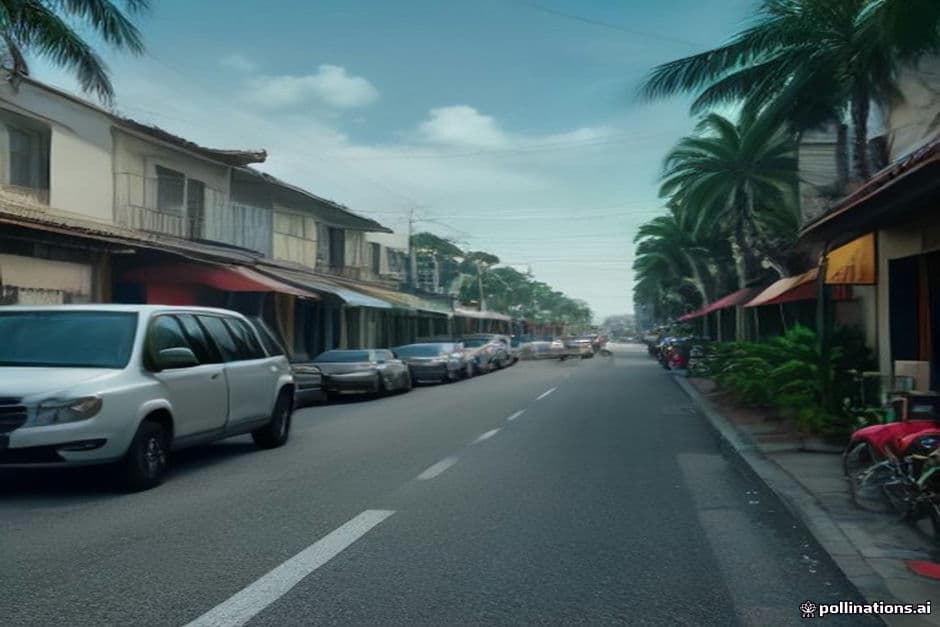
Canggu, once a serene coastal village in Bali, has transformed into a bustling hub attracting both tourists and digital nomads. However, this rapid development is now straining local infrastructure, leading to increasing frustrations among residents who are calling for immediate sustainable solutions to alleviate the pressures on their community.
With its picturesque beaches and vibrant culture, Canggu has become a magnet for visitors looking for a laid-back lifestyle combined with modern amenities. The area has seen an influx of upscale cafes, yoga studios, and co-working spaces, changing the landscape drastically over the past few years. According to data from the Bali Tourism Board, Canggu has experienced a staggering 150% increase in tourist visits since 2019, which has exacerbated existing infrastructure issues.
Traffic congestion is one of the most pressing challenges facing Canggu. The narrow roads, originally designed for a small village population, are now overwhelmed with vehicles. Local residents report that commute times have tripled during peak hours, leading to frustration and safety concerns. “We used to have a quiet life here, but now it feels like we're living in a constant traffic jam,” said Adi Putra, a long-time resident. “Something needs to change, and it needs to happen fast,” he added, reflecting the sentiments of many in the community.
In response to these issues, local community groups have organized protests and meetings with government officials, urging for a sustainable urban development plan. They are advocating for integrated transport solutions, including improved public transport options, bike lanes, and pedestrian-friendly pathways to reduce reliance on cars. “Investing in public transport is essential for our future. We can’t just keep expanding roads; we need smarter solutions,” stated Ibu Sari, a member of the local advocacy group.

Additionally, the rising cost of living in Canggu is another major concern. With the surge in demand for housing, rental prices have skyrocketed, pushing many locals out of their homes. Reports indicate that rent has increased by as much as 200% in certain areas, making it increasingly difficult for residents to afford basic living expenses. Local businesses are also feeling the pinch, as they struggle to compete with the influx of international brands and franchises that have set up shop in Canggu.
To address these social issues, the Bali provincial government has begun discussions regarding urban planning reforms aimed at balancing development with the preservation of local culture and community well-being. However, many residents feel that these discussions are moving too slowly. “We need action, not just promises,” expressed Wayan Sudarma, a community leader. “Our lives are being affected every day, and if the government doesn’t step up soon, we will lose what makes Canggu special.”
Environmental sustainability is also a critical aspect of these discussions. Rapid development has led to increased waste generation and pollution, raising alarms among environmentalists. The local government is under pressure to implement waste management systems that can cope with the growing population and tourist numbers, as well as to promote eco-friendly practices among businesses.

As Canggu continues to grow, the challenge remains to balance the needs of residents with the demands of a booming tourist economy. Local leaders are calling for a collaborative approach that includes input from all stakeholders—residents, business owners, and government officials—to create a sustainable and inclusive future for Canggu.
In conclusion, the ongoing struggles in Canggu serve as a microcosm of the broader challenges facing Bali as a whole. The intersection of rapid tourism growth and local community needs demands urgent attention and action to ensure that residents can continue to thrive in their own hometowns. Without a commitment to sustainable development, the very essence of what makes Canggu appealing may soon be jeopardized.



Read Also from Other Categories

Ubud's Thriving Spiritual Tourism: A New Chapter in Visitor Engagement
Ubud is emerging as a key player in Bali's spiritual tourism scene, attracting visitors seeking authentic experiences. With a focus on local traditions and wellness, the area is redefining how tourists engage with Balinese culture.

Transforming Bali's Public Services: AI Integration Gains Momentum
The Bali provincial government is ramping up efforts to integrate artificial intelligence into public services, aiming for a more efficient administrative process. This shift reflects a growing trend across Indonesia as local governments adopt digital solutions to enhance service delivery.

Emerging Trends in Bali's Investment Landscape: The Rise of Impact Startups
Bali is witnessing a significant shift in investment trends as impact startups gain traction. With a focus on social and environmental benefits, these ventures are attracting both local and international funding in unprecedented ways.

Unexpected Water Supply Crisis Hits Bali Amid Rising Demand and Climate Change
Bali faces a critical water supply shortage, with demand increasing by 25% year-over-year. Local officials are mobilizing to address the crisis as climate change exacerbates existing challenges.
Local Farmers Transition to Agro-Tourism Amidst Climate Challenges
As climate change impacts agriculture, Bali's farmers are embracing agro-tourism to sustain their livelihoods. This shift not only preserves local culture but also enhances community engagement and economic resilience.

Job Opportunities in Bali's Agriculture Sector: A Path to Sustainability
Bali's agriculture sector is undergoing a transformation, presenting new job opportunities to locals. With a focus on sustainable practices, training programs are paving the way for a greener future in employment.
Comments (0)
No comments yet. Be the first!