Budget Allocation for Bali's Infrastructure Sees 25% Increase in 2024
Bali's provincial government has announced a significant 25% increase in budget allocation for infrastructure projects in 2024, aimed at addressing growing concerns over urban congestion and public transport inefficiencies. This strategic move signals a commitment to enhance connectivity and improve quality of life for residents and tourists alike.
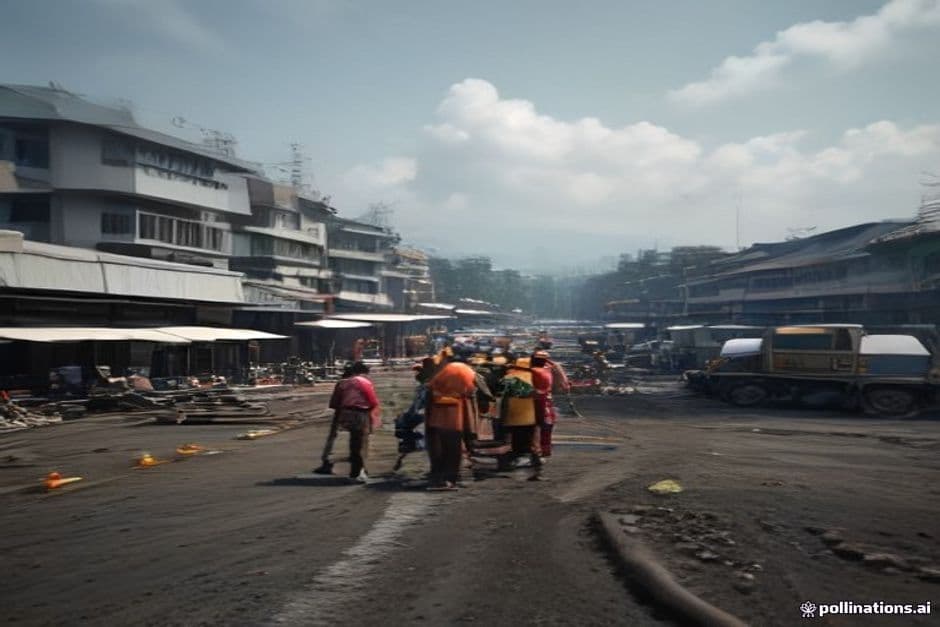
In a decisive shift towards bolstering Bali's urban infrastructure, the provincial government has unveiled plans for a 25% increase in the budget allocation for 2024. This translates to approximately Rp 5 trillion, earmarked for various essential projects across the island. Governor Wayan Koster emphasized the urgency of these developments, citing rising traffic congestion and the need for improved public transport systems as pressing issues that require immediate attention.
The substantial budget increase is a response to a year-on-year surge in traffic volume, which has reportedly risen by 15% from 2022 to 2023, particularly in high-density areas such as Denpasar and Kuta. With the influx of tourists and a growing residential population, the challenges of urban congestion have become increasingly apparent, prompting the government to take proactive measures.
A significant portion of the new budget will be allocated to upgrading existing roads and expanding public transport options. Projects include the construction of dedicated bus lanes and the introduction of electric buses to promote sustainable travel. This aligns with the broader goal of reducing carbon emissions and enhancing the overall tourist experience by alleviating travel delays.
Data from the Bali Transportation Agency indicates that the average travel time during peak hours has increased by 30% over the past three years, underscoring the need for urgent infrastructural improvements. The governor's office has set a target to reduce peak-hour congestion by at least 20% by the end of 2025, leveraging this budget increase as a critical tool for achieving that goal.

Furthermore, the government plans to enhance pedestrian facilities and improve cycling infrastructure, addressing the growing demand for alternative modes of transport. In 2023, bicycle usage in urban areas surged by 40%, reflecting a shift in public preference towards eco-friendly transportation options. The new budget will support the development of dedicated bike lanes in areas like Seminyak and Ubud, promoting a healthier lifestyle among residents and visitors.
In addition to transportation improvements, funds will also be directed towards upgrading public spaces, including parks and recreational areas. This initiative aims to enhance the quality of life for residents and provide tourists with more leisure options. A study conducted by the Bali Tourism Board found that 78% of visitors value green spaces, indicating that investment in parks could positively impact tourism by improving the overall aesthetic of the region.
The provincial government is also collaborating with private investors to ensure the successful execution of these projects. Public-private partnerships (PPPs) are being encouraged to attract additional funding and expertise, particularly in the domain of sustainable urban development. Governor Koster has stressed that transparency and accountability will be paramount in managing these investments to ensure that the allocated funds are utilized effectively.

As the provincial government prepares to roll out these ambitious plans, stakeholders from various sectors are keenly observing the developments. The upcoming budget discussions in the Bali Regional People's Representative Council (DPRD) will be crucial in finalizing the allocation and prioritizing projects. Local businesses and community leaders have expressed cautious optimism, hoping that the infrastructure improvements will attract more visitors and enhance the overall economic landscape.
With the new budget set to be approved by the end of this year, Bali's provincial government is laying the groundwork for a transformative phase in urban development. The commitment to increasing the infrastructure budget reflects a proactive approach to tackling the inevitable challenges posed by rapid growth while ensuring that Bali remains a desirable destination for both tourists and residents.
As Bali continues to evolve, the success of these initiatives will depend on the government's ability to engage with the community, address concerns, and adapt to the changing needs of its citizens. The next few years will be critical in determining whether these ambitious plans can lead to a more sustainable and efficient urban environment on the island.


Read Also from Other Categories

Reviving Bali's Traditional Arts: A Pathway to Sustainable Tourism Growth
Bali is witnessing a resurgence in traditional arts as local artisans embrace innovation to attract tourists. This revival not only supports cultural heritage but also contributes to the island's sustainable tourism goals.
Investors Eye Bali's Eco-Tourism Ventures Amid Rising Global Consciousness
As eco-tourism gains traction worldwide, Bali emerges as a hotspot for investments in sustainable travel ventures. Local entrepreneurs and international investors alike are capitalizing on the island's natural beauty and cultural richness to promote environmental responsibility.

Emergency Preparedness in Bali: A Community Focus Amid Natural Threats
As climate change intensifies weather patterns, Bali's communities are stepping up emergency preparedness measures. Local authorities emphasize the importance of readiness as the island faces increased risks from natural disasters.

Innovative Water Management Strategies Address Bali's Scarcity Crisis
Bali's growing water scarcity has prompted local governments and communities to implement innovative water management strategies. These initiatives aim to balance the needs of agriculture, tourism, and the local population while preserving the island's natural resources.
Skill Development Initiatives Spark Job Growth Across Bali's Industries
Bali is witnessing a surge in job training programs aimed at enhancing workforce skills. Local businesses and educational institutions are collaborating to address employment challenges and meet industry demands.
In Ubud, the Intersection of Art and Technology Sparks New Culture
As artists in Ubud embrace digital platforms, a cultural renaissance unfolds that blends traditional Balinese artistry with modern technology. This shift is redefining not only art consumption but also local community dynamics.
Comments (0)
No comments yet. Be the first!