Boosting Employment: Bali's Rapid Growth in Online Education Platforms
Bali witnesses a 35% increase in online education enrollments, reshaping job training. Local startups and global institutions are collaborating to enhance career development opportunities in the region.

Bali's online education sector has seen a remarkable 35% increase in enrollments over the past year, underscoring a significant shift in how residents are accessing skills training and career development. This trend is driven by a surge in demand for flexible learning options that cater to the island's diverse workforce, particularly as traditional employment avenues evolve in the wake of global economic changes.
According to the Bali Ministry of Education, the number of online courses available to residents has doubled since 2022, expanding from 150 to over 300. This expansion includes a mix of local initiatives and partnerships with international educational institutions, providing a broader range of subjects from digital marketing to coding and hospitality management.
Local startup platforms like EduBali have played a pivotal role in this growth, offering tailored courses that align with the needs of Bali's job market. For instance, their digital marketing program saw a 50% increase in participants in 2023, reflecting the growing importance of digital skills in various sectors, especially tourism and small business management.
Comparatively, neighboring regions such as Lombok have reported only a 15% increase in online education enrollments, highlighting Bali's unique position as a hub for educational innovation. This disparity can be attributed to Bali's established reputation as a global tourism destination, attracting not only tourists but also educators and students from around the world.

Furthermore, the Indonesian government is actively promoting online education as part of its broader strategy to enhance workforce skills across the nation. The Ministry of Manpower recently announced a collaboration with tech companies to develop specialized training programs aimed at upskilling workers in response to the rapidly changing job landscape.
The impact of this educational shift is significant: a survey conducted by the Bali Chamber of Commerce revealed that 68% of employers in the tourism and hospitality sectors now prefer candidates with online certifications over traditional degrees. This trend indicates a growing recognition of practical skills and relevant knowledge over formal qualifications, which could reshape hiring practices in the region.
In addition to boosting employability, these online programs are also helping to bridge the gap for marginalized communities. Initiatives like the 'Digital Literacy for All' program, which offers free courses in computer skills and online business for low-income residents, have enrolled over 1,000 participants since its inception in early 2023.

As more Balinese individuals gain access to these resources, the local economy stands to benefit significantly. Graduates from these programs are increasingly starting their own businesses or finding employment in emerging sectors such as e-commerce and remote work, which are becoming more prevalent in Bali.
Looking ahead, experts predict that the online education landscape in Bali will continue to evolve, with projections estimating a 50% increase in course offerings by the end of 2024. This growth will likely attract more investment and innovation, further solidifying Bali's status as a leader in educational advancement within Indonesia.
In conclusion, the rise of online education in Bali is transforming the employment landscape, offering new opportunities for skill development and career advancement. As local and international collaborations continue to flourish, Bali is not only preparing its workforce for the future but is also setting a precedent for other regions to follow.


Read Also from Other Categories

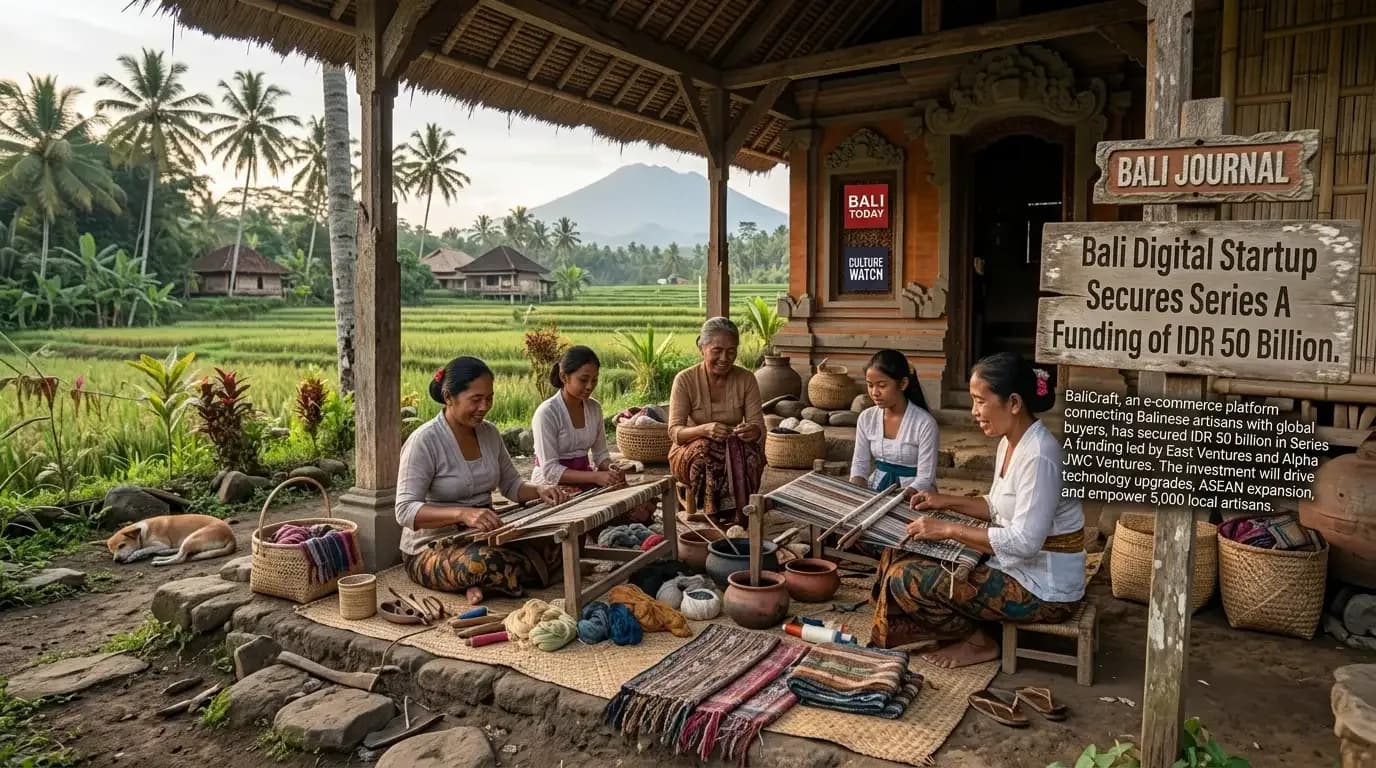
Reviving Bali's Traditional Arts: A Pathway to Sustainable Tourism Growth
Bali is witnessing a resurgence in traditional arts as local artisans embrace innovation to attract tourists. This revival not only supports cultural heritage but also contributes to the island's sustainable tourism goals.

Jakarta's New Policies Spark Controversy Over Bali's Agricultural Future
Recent agricultural policies from Jakarta are causing a stir in Bali, raising concerns among local farmers about their livelihoods. The provincial government is pushing back against regulations perceived as detrimental to traditional practices and food security.
Investors Eye Bali's Eco-Tourism Ventures Amid Rising Global Consciousness
As eco-tourism gains traction worldwide, Bali emerges as a hotspot for investments in sustainable travel ventures. Local entrepreneurs and international investors alike are capitalizing on the island's natural beauty and cultural richness to promote environmental responsibility.

Emergency Preparedness in Bali: A Community Focus Amid Natural Threats
As climate change intensifies weather patterns, Bali's communities are stepping up emergency preparedness measures. Local authorities emphasize the importance of readiness as the island faces increased risks from natural disasters.

Innovative Water Management Strategies Address Bali's Scarcity Crisis
Bali's growing water scarcity has prompted local governments and communities to implement innovative water management strategies. These initiatives aim to balance the needs of agriculture, tourism, and the local population while preserving the island's natural resources.

In Ubud, the Intersection of Art and Technology Sparks New Culture
As artists in Ubud embrace digital platforms, a cultural renaissance unfolds that blends traditional Balinese artistry with modern technology. This shift is redefining not only art consumption but also local community dynamics.
Comments (0)
No comments yet. Be the first!