Beyond Beaches: Bali's Thriving Adventure Tourism Scene
Bali's adventure tourism is gaining momentum, attracting thrill-seekers with diverse activities from surfing to jungle trekking. As the island embraces this trend, local businesses and communities are reaping the benefits of an evolving tourism landscape.
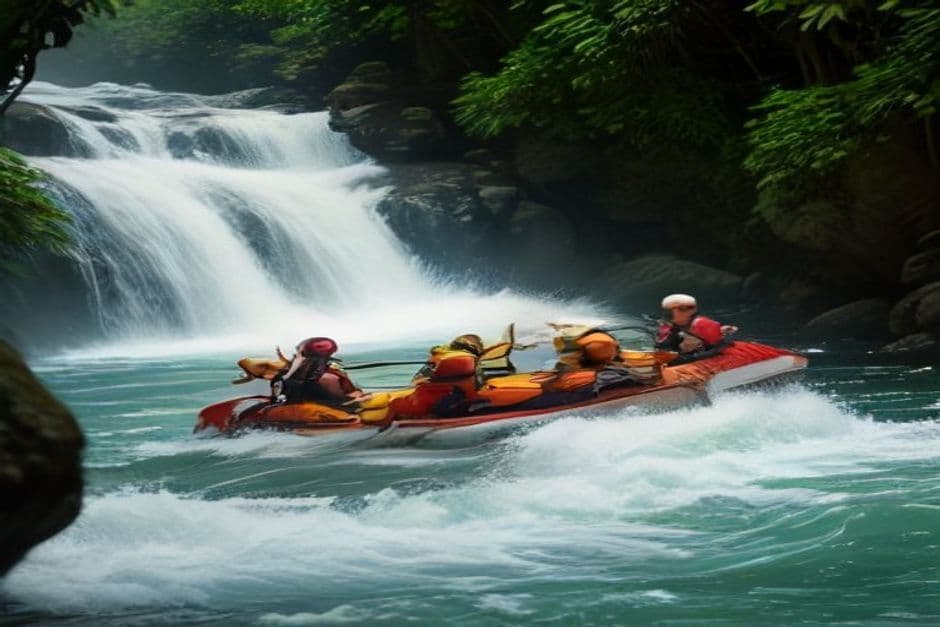
As the sun rises over Ubud, the sound of laughter and splashing water fills the air. A group of tourists, their faces beaming with excitement, zip down the Ayung River on inflatable rafts, navigating the twists and turns of Bali's most popular white-water rafting destination. This scene is becoming increasingly common as Bali pivots towards adventure tourism, a sector gaining traction among visitors seeking more than just sun-soaked beaches.
Adventure tourism is not just a buzzword; it signifies a shift in Bali’s tourism landscape. The island, known for its breathtaking beaches and vibrant culture, is now home to a myriad of adrenaline-pumping activities. From surfing the waves of Uluwatu to trekking the trails of Mount Batur, Bali offers experiences that cater to thrill-seekers and nature lovers alike. In 2025, the Bali Tourism Board reported a 25% increase in adventure tourism activities, signaling a robust growth trajectory.
Local businesses are capitalizing on this trend. Companies like Bali Adventure Tours and Green Bali Adventure have expanded their offerings to include canyoning, zip-lining, and mountain biking, ensuring that visitors have numerous options to explore the island's natural beauty. "We’ve seen a significant uptick in bookings for adventure packages, especially during the high season," said Nyoman Suarta, a manager at Bali Adventure Tours. "Tourists are increasingly looking for experiences that connect them with nature and provide a thrill."
Moreover, adventure tourism is providing economic opportunities for local communities. In areas like Munduk and Kintamani, where trekking and eco-tourism have taken off, local guides are being trained to lead tours, promoting sustainable practices and preserving their environment. This not only enhances the visitor experience but also empowers residents by providing them with a source of income. In 2026, the Bali Tourism Board plans to launch initiatives aimed at training more local guides in various adventure activities, ensuring that the economic benefits reach the grassroots level.

However, this rapid growth is not without its challenges. The influx of adventure tourism raises concerns about environmental sustainability. As thrill-seekers flock to Bali’s natural attractions, the risk of over-tourism looms large. Conservationists warn that unregulated activities can lead to the degradation of ecosystems. The Bali Environmental Agency is working on guidelines to ensure that adventure tourism remains sustainable, creating a balance between economic growth and environmental preservation.
Festivals are also embracing the adventure tourism wave. The annual Bali Adventure Race, attracting participants from around the globe, combines running, biking, and kayaking, showcasing the island's diverse landscapes. Scheduled for October 2026, this event not only promotes adventure tourism but highlights Bali's commitment to hosting international sporting events, further positioning the island as a premier adventure destination.
As visitors explore Bali’s lush jungles, cascading waterfalls, and stunning volcanic landscapes, the island’s rich cultural heritage also remains a focal point. Tour operators are increasingly integrating cultural experiences into adventure itineraries, allowing tourists to engage with local traditions, cuisine, and communities. A typical adventure package now might include a visit to a traditional Balinese ceremony or a cooking class featuring local ingredients.

Feedback from adventure tourists underscores this growing trend. Many travelers express a desire for more immersive experiences that combine adventure with cultural education. "I chose Bali for its outdoor activities, but discovering the local culture along the way has made my trip unforgettable," shared Emma, a tourist from Australia. "The balance of thrill and tradition is what makes this place so special."
Looking ahead, the future of adventure tourism in Bali appears bright. With continued investment in infrastructure and a focus on sustainability, the island is well-positioned to attract an even greater number of adventure enthusiasts. Local authorities and tourism operators are committed to enhancing visitor experiences while preserving the natural beauty that draws millions to Bali each year. As the adventure tourism sector matures, it promises not only to elevate Bali's appeal but also to create a lasting legacy of responsible tourism that benefits both visitors and residents alike.


Read Also from Other Categories
Jakarta's Policy Changes Impact Bali's Infrastructure Development Plans
Recent policy adjustments from Jakarta are reshaping Bali's infrastructure initiatives. Local leaders are strategizing to align provincial needs with national directives to enhance public services and connectivity.

Emerging Investment Opportunities in Bali's Agricultural Sector
Bali's agricultural sector is witnessing a resurgence as investors turn to sustainable farming practices and agritech innovations. This trend highlights the potential for increased economic diversification and food security on the island.

Emergency Services Gear Up for Potential Tsunami Risks in Bali
As seismic activity increases near Bali, local authorities prepare for potential tsunami threats. Emergency drills and safety measures are being reinforced to protect both residents and tourists in vulnerable coastal areas.

Bali's Urban Development: A Push Towards Sustainable Infrastructure
Bali's local government is investing IDR 500 billion to enhance urban infrastructure while promoting sustainability. This initiative aims to balance modernization with cultural preservation across the island.

Job Opportunities Thrive as Bali Upskills Workforce through Partnerships
Bali is witnessing a surge in employment opportunities fueled by strategic partnerships between educational institutions and local businesses. Enhanced training programs are equipping the workforce with essential skills to meet the evolving demands of various sectors.

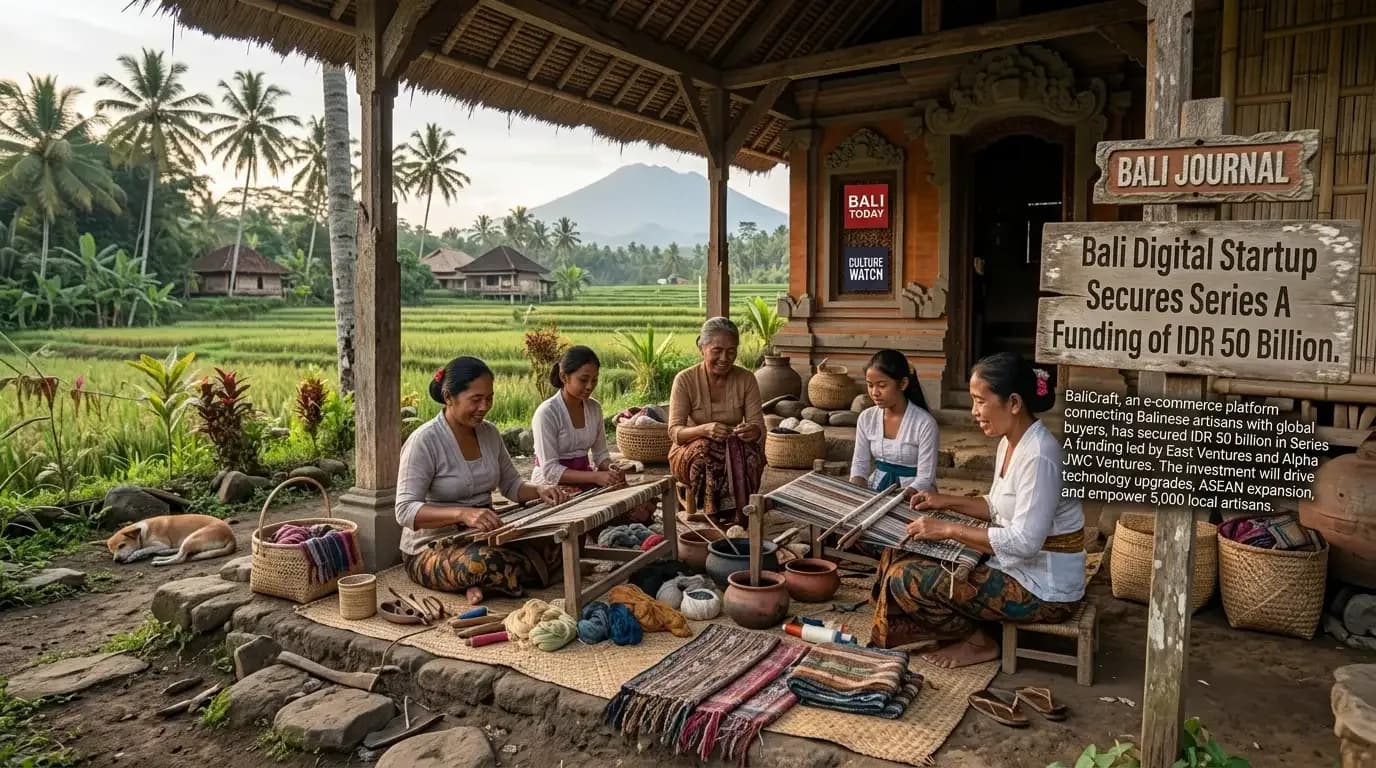
Tourism and Tradition: Bali's Artisans Struggle for Survival
As Bali's tourism industry rebounds, local artisans face challenges in preserving their craft. This tension between economic revival and cultural integrity raises critical questions about the future of Balinese artistry.
Comments (0)
No comments yet. Be the first!