Balinese Youth Lead Charge in Preserving Traditional Agriculture
In the heart of Bali, local youth are reviving traditional farming practices that are at risk of disappearing. This grassroots movement not only fosters cultural pride but also supports sustainable agriculture in the face of modern challenges.
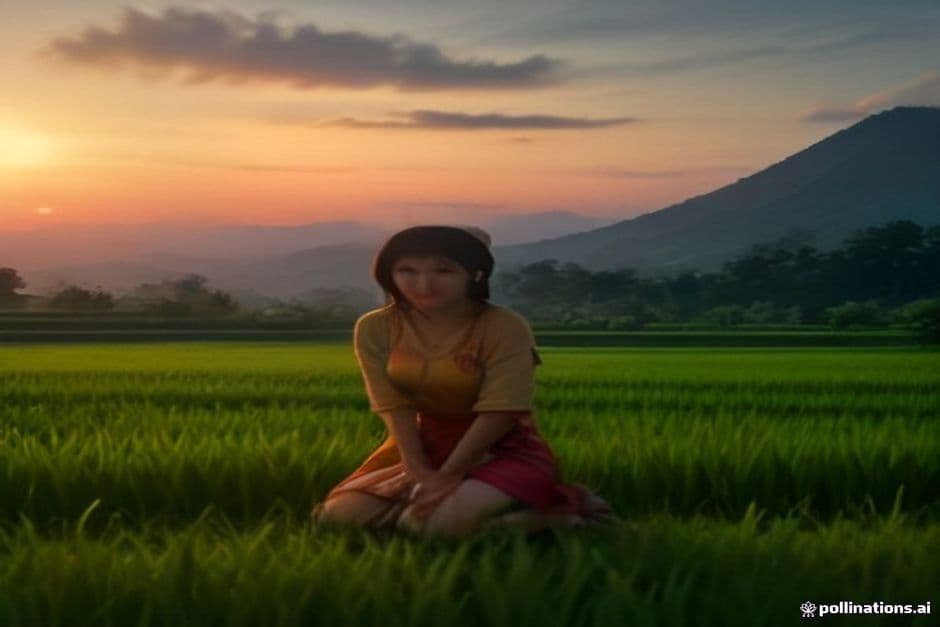
At sunrise in the village of Petulu, the sound of roosters crowing harmonizes with the gentle rustle of rice stalks swaying in the morning breeze. Here, 21-year-old Nyoman Supriyadi kneels in a lush green field, carefully planting rice seedlings as his grandmother looks on with pride. This scene, once common in many Balinese villages, is now a testament to the dedication of a new generation determined to preserve their agricultural heritage.
Nyoman is part of a growing movement among Bali’s youth to revive traditional agricultural practices that have been overshadowed by modern farming techniques and the encroachment of tourism. With the support of local NGOs and government initiatives, young farmers like Nyoman are reconnecting with their roots, promoting sustainable practices, and ensuring that the cultural significance of rice farming is passed down to future generations.
“We want to show that traditional farming is not just a way to eat; it’s part of our identity,” Nyoman explains, as he wipes the sweat from his brow. “By learning these methods, we’re also protecting our environment.” His sentiments echo a broader realization among the youth that the preservation of their culture is intricately linked to the sustainability of their land.
The Bali Agricultural Agency is keenly aware of this trend. In recent months, they have partnered with organizations such as the Bali Institute for Traditional Culture to provide workshops and resources aimed at educating young farmers about organic practices and the importance of biodiversity. According to the agency's data, there has been a 30% increase in youth participation in traditional farming initiatives over the past year.

In addition to hands-on workshops, these initiatives include field trips to historic rice terraces and cultural sites, where students learn not only about agricultural techniques but also about their cultural significance. “Rice is sacred in our culture,” says Ibu Made Wati, a local elder and traditional rice farmer. “It is not just food; it is a part of our ceremonies and our way of life.”
The revival of traditional agriculture is particularly significant in areas like Ubud and Tegallalang, where rice paddies are not just fields but cultural landmarks. However, as tourism continues to expand, these areas face threats from development. Local governments are beginning to recognize the importance of these agricultural landscapes, implementing policies to protect them from overdevelopment.
Furthermore, with the global push towards sustainability, the local government has launched a campaign encouraging organic farming. This includes subsidies for young farmers who wish to transition from conventional methods to organic certification, thus giving them a competitive edge in the market. “Organic farming is the future,” states Bali’s Head of Agriculture, Dr. Ketut Sudarta. “It offers not only health benefits but also economic opportunities for our farmers.”

As the sun sets over the rice paddies, the community comes together for a traditional ceremony, celebrating not just the harvest but the revival of their culture. Young farmers, like Nyoman, lead the rituals, demonstrating their commitment to both their agricultural heritage and sustainable practices. “We are the future of Bali,” he asserts confidently, surrounded by peers who share his vision.
This movement is not just about agriculture; it represents a broader cultural renaissance in Bali. Young people are increasingly valuing their heritage and taking action to protect it, leading community initiatives that promote traditional arts, crafts, and sustainable living. As they work the fields, they are also planting the seeds of cultural pride that will grow for generations to come.
Ultimately, the efforts of Bali’s youth highlight a powerful message: preserving traditional agriculture is not merely an act of nostalgia, but a vital step towards a sustainable and culturally rich future for the island. With each seed planted, they are sowing hope for their community and their culture.

Read Also from Other Categories
Reviving Bali's Traditional Arts: A Pathway to Sustainable Tourism Growth
Bali is witnessing a resurgence in traditional arts as local artisans embrace innovation to attract tourists. This revival not only supports cultural heritage but also contributes to the island's sustainable tourism goals.
Jakarta's New Policies Spark Controversy Over Bali's Agricultural Future
Recent agricultural policies from Jakarta are causing a stir in Bali, raising concerns among local farmers about their livelihoods. The provincial government is pushing back against regulations perceived as detrimental to traditional practices and food security.
Investors Eye Bali's Eco-Tourism Ventures Amid Rising Global Consciousness
As eco-tourism gains traction worldwide, Bali emerges as a hotspot for investments in sustainable travel ventures. Local entrepreneurs and international investors alike are capitalizing on the island's natural beauty and cultural richness to promote environmental responsibility.
Emergency Preparedness in Bali: A Community Focus Amid Natural Threats
As climate change intensifies weather patterns, Bali's communities are stepping up emergency preparedness measures. Local authorities emphasize the importance of readiness as the island faces increased risks from natural disasters.
Skill Development Initiatives Spark Job Growth Across Bali's Industries
Bali is witnessing a surge in job training programs aimed at enhancing workforce skills. Local businesses and educational institutions are collaborating to address employment challenges and meet industry demands.
In Ubud, the Intersection of Art and Technology Sparks New Culture
As artists in Ubud embrace digital platforms, a cultural renaissance unfolds that blends traditional Balinese artistry with modern technology. This shift is redefining not only art consumption but also local community dynamics.
Comments (0)
No comments yet. Be the first!