Bali's Wellness Tourism Sector Expands Amid Global Health Trends
Bali's wellness tourism is experiencing a significant surge as visitors seek holistic health experiences. This trend is reshaping the island's tourism landscape, with new retreats and healing practices emerging across the region.

Bali is witnessing a robust growth in its wellness tourism sector, aligning with global trends that prioritize health and well-being. The rise of this sector has been marked by an influx of international tourists seeking rejuvenation, mindfulness, and holistic healing practices. As travelers increasingly prioritize mental and physical health, Bali has positioned itself as a prime destination for wellness retreats and experiences.
According to recent statistics from the Bali Tourism Board, wellness tourism is projected to account for approximately 20% of the island's total tourist revenue in 2026. The board reports that over 1.5 million visitors in 2025 participated in wellness-related activities, a significant increase from the previous year. This trend is driven by both international visitors and a growing domestic demand for wellness services.
Key locations such as Ubud, Canggu, and Seminyak are at the forefront of this wellness boom. Ubud, known for its serene surroundings and lush landscapes, hosts numerous wellness retreats offering yoga classes, meditation sessions, and traditional healing therapies. Popular retreats like the Fivelements Retreat and Como Shambhala Estate have reported full bookings, indicating a strong demand for their holistic offerings.
Canggu, with its vibrant community and surf culture, has also embraced the wellness trend, attracting a younger demographic interested in fitness and mindfulness. Studios and cafes promoting healthy lifestyles, such as The Chill House and Motion Fitness Bali, have become popular spots for tourists looking to combine relaxation with physical activity.

Moreover, the integration of traditional Balinese healing practices into wellness programs is gaining traction. Spas and retreat centers are increasingly offering treatments that incorporate local herbs, rituals, and therapies passed down through generations. This not only enhances the authenticity of the experience but also supports local cultural preservation.
The impact of this wellness tourism trend extends beyond individual health benefits. Local businesses are benefiting from the influx of health-conscious tourists, leading to the creation of jobs and supporting sustainable practices. Many wellness centers prioritize eco-friendly operations, sourcing organic products, and using sustainable materials in their facilities.
However, this rapid growth also poses challenges. The increasing popularity of wellness tourism has led to concerns about the environmental impact of expanding facilities and services. Local authorities are now working to ensure that the expansion of wellness centers aligns with sustainable development goals and preserves Bali's natural beauty.
Bali's government has initiated programs to promote sustainable tourism practices, emphasizing the importance of maintaining the island's ecological integrity. This includes regulating new developments in sensitive areas and encouraging wellness centers to adopt environmentally friendly practices.

In addition, the rise of wellness tourism has prompted a shift in marketing strategies. Tourism agencies are now focusing on promoting Bali as a holistic health destination, showcasing its unique offerings in yoga, meditation, and spa therapies. This new focus is aimed at attracting a diverse range of visitors, from families seeking relaxation to solo travelers in search of self-discovery.
As Bali continues to evolve as a wellness tourism hub, various events and festivals dedicated to health and wellness are being organized. These include yoga festivals, wellness retreats, and workshops featuring renowned wellness experts. Such events not only enhance the visitor experience but also foster community engagement and promote healthy living among locals.
The future of Bali's wellness tourism sector looks promising, with continued investments in infrastructure and services catering to this growing market. As global health trends continue to influence travel decisions, Bali is poised to remain a top destination for those seeking a holistic approach to well-being.



Read Also from Other Categories

Transforming Bali's Public Services: AI Integration Gains Momentum
The Bali provincial government is ramping up efforts to integrate artificial intelligence into public services, aiming for a more efficient administrative process. This shift reflects a growing trend across Indonesia as local governments adopt digital solutions to enhance service delivery.

Emerging Trends in Bali's Investment Landscape: The Rise of Impact Startups
Bali is witnessing a significant shift in investment trends as impact startups gain traction. With a focus on social and environmental benefits, these ventures are attracting both local and international funding in unprecedented ways.

Unexpected Water Supply Crisis Hits Bali Amid Rising Demand and Climate Change
Bali faces a critical water supply shortage, with demand increasing by 25% year-over-year. Local officials are mobilizing to address the crisis as climate change exacerbates existing challenges.
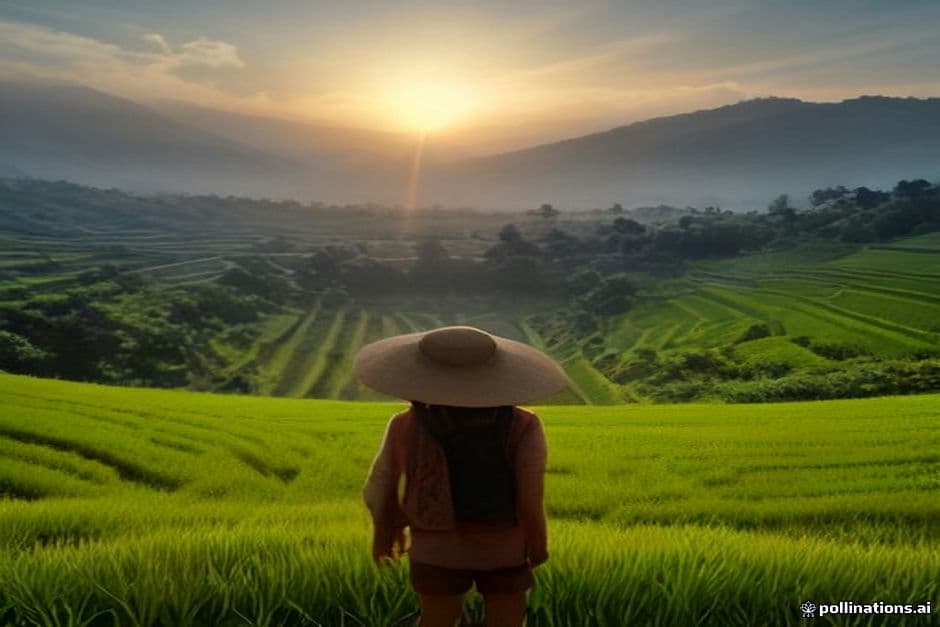
Local Farmers Transition to Agro-Tourism Amidst Climate Challenges
As climate change impacts agriculture, Bali's farmers are embracing agro-tourism to sustain their livelihoods. This shift not only preserves local culture but also enhances community engagement and economic resilience.

Job Opportunities in Bali's Agriculture Sector: A Path to Sustainability
Bali's agriculture sector is undergoing a transformation, presenting new job opportunities to locals. With a focus on sustainable practices, training programs are paving the way for a greener future in employment.
Rethinking Bali's Digital Nomad Policies: A Call for Sustainable Integration
Bali's digital nomad community has surged by 35% in the past year, prompting discussions on the need for more structured policies. Experts argue that without strategic planning, the influx could strain local resources and cultural integrity.
Comments (0)
No comments yet. Be the first!