Bali's Urban Development: A Push Towards Sustainable Infrastructure
Bali's local government is investing IDR 500 billion to enhance urban infrastructure while promoting sustainability. This initiative aims to balance modernization with cultural preservation across the island.
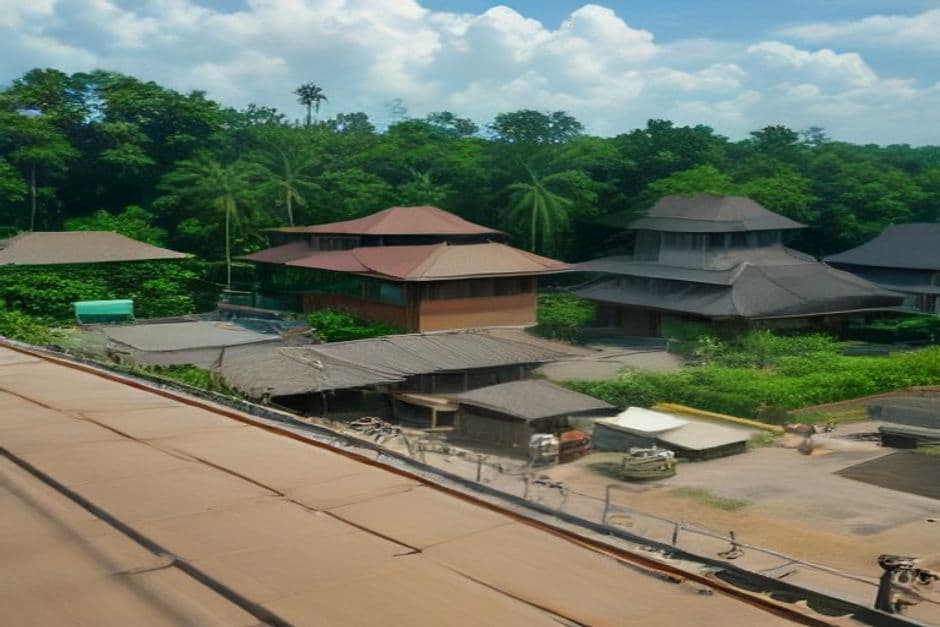
In a significant move towards sustainability, Bali's provincial government has allocated IDR 500 billion for urban infrastructure projects aimed at fostering both modernization and cultural preservation. This investment marks a 25% increase from the previous budget, reflecting a growing commitment to sustainable development in the region.
As urban areas continue to expand, the government is focusing on projects that integrate environmentally friendly practices with infrastructural enhancements. The initiative is particularly evident in areas like Denpasar and Ubud, where local officials are prioritizing green spaces and public transport improvements. These developments are part of a broader strategy to improve the quality of life for residents while attracting eco-conscious tourists.
One of the key components of this initiative is the enhancement of public transportation systems. In 2023, the government reported a 15% increase in public transport usage, partly due to the introduction of new bus routes and services catering specifically to tourists and locals alike. The aim is to reduce traffic congestion and lower carbon emissions, aligning with global trends in sustainable urban planning.
Moreover, the government is actively working to preserve Bali's cultural heritage amidst these changes. A recent survey indicated that 70% of residents support infrastructure projects that maintain traditional Balinese architecture and cultural sites. This has led to the incorporation of local cultural elements into new infrastructure designs, ensuring that modernization does not compromise Bali's unique identity.

Several projects are currently underway, including the construction of pedestrian-friendly walkways and cycling lanes in Canggu and Seminyak. These developments are expected to not only improve accessibility but also promote healthier lifestyles among residents and visitors. In recent months, local NGOs have partnered with the government to raise awareness about the benefits of these changes, emphasizing the importance of community involvement.
The provincial government has also initiated a public consultation process, allowing residents to voice their opinions on proposed projects. This has resulted in a more transparent planning process, with 60% of participants in a recent forum expressing satisfaction with the current direction of urban development. By fostering community engagement, local officials aim to create a sense of ownership and responsibility among residents regarding their environment.
In terms of cultural preservation, initiatives such as the “Cultural Heritage Mapping” project are being launched, aiming to document and protect traditional sites at risk of being lost due to urbanization. This project utilizes advanced technology, including GIS mapping, to identify critical areas that require attention. Local experts are optimistic that this approach will help safeguard Bali's rich cultural fabric for future generations.
Looking ahead, the provincial government aims to implement a comprehensive monitoring system to assess the impact of these infrastructure projects on both the community and the environment. By 2025, officials plan to have established benchmarks for success, tracking improvements in air quality, public transport efficiency, and community satisfaction levels. This data-driven approach will enable them to make informed decisions and adjustments as necessary, ensuring that Bali remains a livable and culturally vibrant island.
As Bali navigates the challenges of urbanization, the commitment to sustainable infrastructure and cultural preservation stands as a beacon of hope. With the continued support of the local community and stakeholders, these initiatives could serve as a model for other regions facing similar dilemmas.


Read Also from Other Categories
Gentrification in Canggu: The Cost of Bali's Tourism Boom
As Canggu's popularity surges, local residents face the challenges of rising costs and cultural shifts. The influx of tourists is transforming the neighborhood, sparking debates on sustainability and authenticity.
Jakarta's Policy Changes Impact Bali's Infrastructure Development Plans
Recent policy adjustments from Jakarta are reshaping Bali's infrastructure initiatives. Local leaders are strategizing to align provincial needs with national directives to enhance public services and connectivity.

Emerging Investment Opportunities in Bali's Agricultural Sector
Bali's agricultural sector is witnessing a resurgence as investors turn to sustainable farming practices and agritech innovations. This trend highlights the potential for increased economic diversification and food security on the island.

Emergency Services Gear Up for Potential Tsunami Risks in Bali
As seismic activity increases near Bali, local authorities prepare for potential tsunami threats. Emergency drills and safety measures are being reinforced to protect both residents and tourists in vulnerable coastal areas.

Job Opportunities Thrive as Bali Upskills Workforce through Partnerships
Bali is witnessing a surge in employment opportunities fueled by strategic partnerships between educational institutions and local businesses. Enhanced training programs are equipping the workforce with essential skills to meet the evolving demands of various sectors.

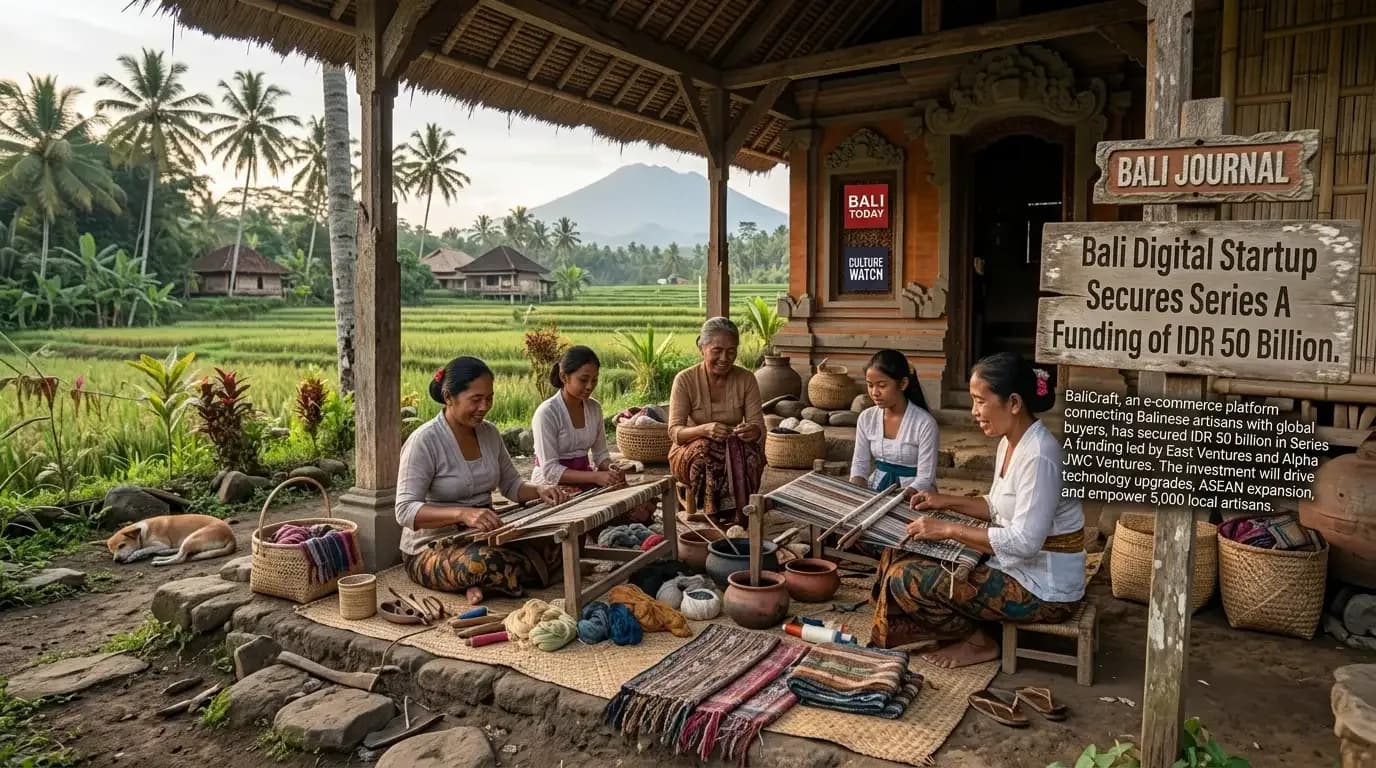
Tourism and Tradition: Bali's Artisans Struggle for Survival
As Bali's tourism industry rebounds, local artisans face challenges in preserving their craft. This tension between economic revival and cultural integrity raises critical questions about the future of Balinese artistry.
Comments (0)
No comments yet. Be the first!