Bali's Real Estate Investment Trend: A Shift Towards Sustainable Development
Bali's real estate sector is witnessing a transformative shift with a 30% increase in sustainable project investments over the last year. This trend highlights a growing commitment to eco-friendly developments amid rising environmental concerns.

In a remarkable shift, Bali's real estate investment landscape has seen an impressive 30% increase in funding directed towards sustainable development projects in the past year. This surge reflects an evolving market driven by both local and international investors who are increasingly prioritizing eco-friendly solutions in their investment strategies.
The Bali Property Investment Association (BPIA) reported that investments in green buildings and sustainable resorts accounted for IDR 800 billion (approximately $54 million) in 2023 alone, compared to IDR 600 billion in 2022. This growing trend is a clear indicator of a broader commitment to sustainability across the island, aligning with global investment patterns that emphasize environmental responsibility.
One significant example of this trend is the development of eco-resorts in Ubud, where several projects have incorporated renewable energy sources and sustainable materials. These initiatives not only cater to the increasing demand from environmentally-conscious tourists but also aim to minimize the ecological footprint of the hospitality industry in Bali.
Moreover, the shift towards sustainable real estate is not limited to tourism. Residential developments are also adapting to meet the preferences of a more environmentally-aware population. Reports show that homes built with sustainable practices, such as rainwater harvesting and solar energy systems, have become 25% more popular among buyers in the last year. This aligns with a global shift towards greener living and signifies a changing mindset among Bali's residents.
The increasing focus on sustainable practices is further bolstered by government support. The Bali Provincial Government has introduced incentives for developers who meet specific environmental standards. These incentives include tax breaks and expedited permitting processes, encouraging more investors to consider sustainable options. In 2023, the number of approved sustainable real estate projects increased by 40%, signaling a robust regulatory framework that supports eco-friendly investments.
In terms of economic impact, the rise in sustainable real estate investments is anticipated to contribute significantly to Bali's economy. The sector not only helps create jobs but also fosters local businesses that provide sustainable materials and services. According to the BPIA, the sustainable real estate sector is projected to generate an additional 2,500 jobs by 2025, enhancing the local economy and creating a ripple effect across various industries.
Despite the positive outlook, challenges remain. The real estate market in Bali still faces hurdles such as land availability and regulatory complexities. Investors are often met with bureaucratic delays, which can impede progress on sustainable projects. However, the government’s commitment to reforming these processes has been encouraging, suggesting that improvements are on the horizon.

Additionally, while the current trend is promising, it is crucial for investors to remain vigilant about the potential for greenwashing, where projects may be marketed as sustainable without genuine eco-friendly practices. Industry experts emphasize the importance of transparency and accountability in sustainable investments to ensure that the growth is not only quantitative but also qualitative.
Looking ahead, the real estate investment trend in Bali is expected to continue leaning heavily towards sustainability. As more investors recognize the long-term benefits of eco-friendly developments, the island is likely to see an influx of innovative projects that prioritize environmental stewardship. This could position Bali as a leading example of sustainable development in Southeast Asia, attracting further investments and enhancing its reputation as a global eco-tourism hub.
In conclusion, Bali's real estate investment shift toward sustainability is not just a passing trend but a necessary evolution in response to both market demands and environmental challenges. With continued government support and a growing awareness among investors, the island is set to lead the way in responsible development while ensuring economic growth and environmental preservation.


Read Also from Other Categories

Bali's Wellness Tourism Sector Expands Amid Global Health Trends
Bali's wellness tourism is experiencing a significant surge as visitors seek holistic health experiences. This trend is reshaping the island's tourism landscape, with new retreats and healing practices emerging across the region.

Bali's New Tourism Policy Aims to Enhance Local Involvement
Bali's provincial government is implementing new tourism regulations that prioritize local community involvement and sustainable practices. These measures aim to bridge the gap between tourists and residents while preserving the island's cultural integrity.
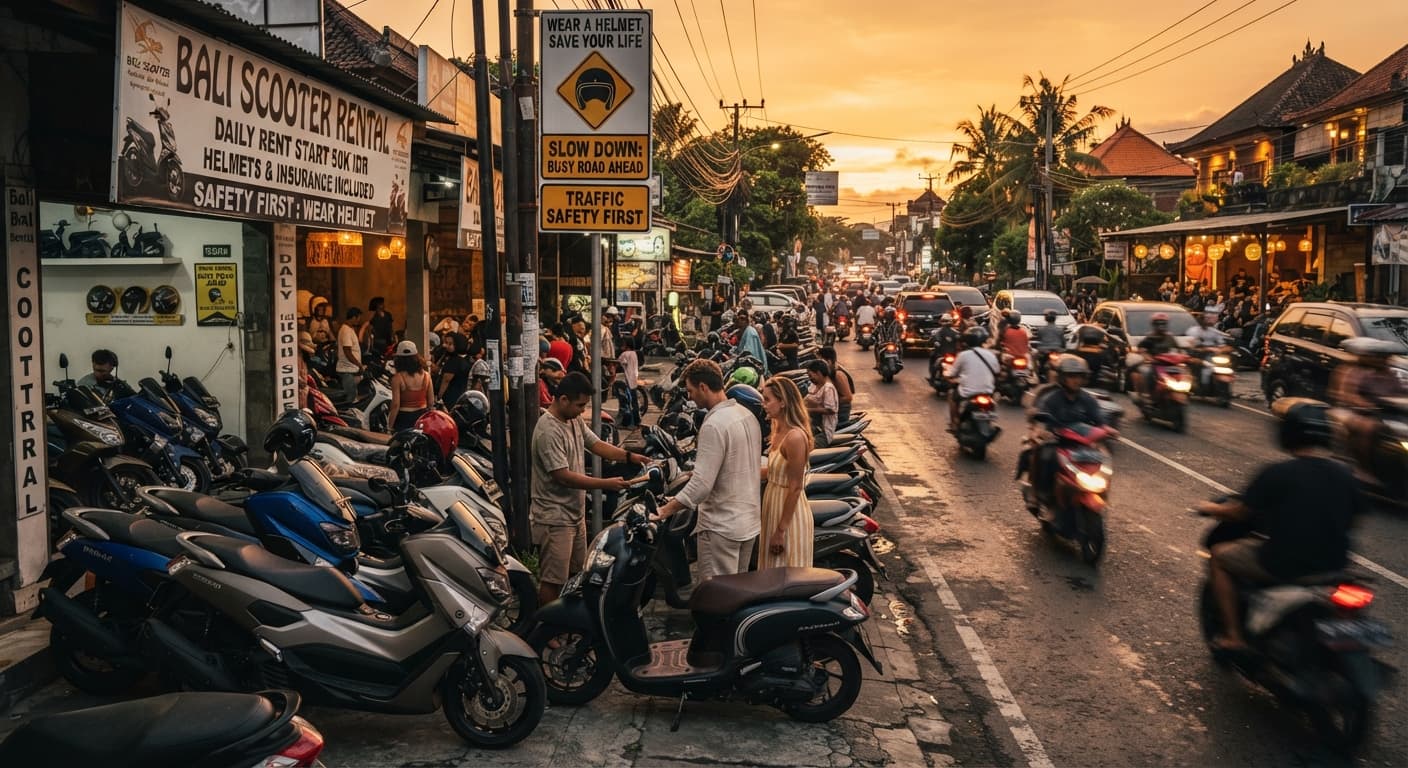
Bali's Rising Road Fatalities: A Call for Urgent Traffic Safety Measures
Bali experiences a concerning 25% increase in road fatalities in 2023, prompting calls for stricter traffic regulations. Experts warn that without immediate action, the island's tourist reputation and local safety will continue to suffer.
Bali's New Green Spaces: Community Gardens Transform Urban Landscapes
As urbanization accelerates in Bali, community gardens are emerging as a vital initiative for environmental sustainability and social cohesion. These green spaces not only beautify neighborhoods but also foster community engagement and ecological awareness among residents.

Bali's Job Market: Expanding Horizons for Career Development
As Bali's economy continues to recover, various sectors are witnessing a surge in employment opportunities. Job fairs and training programs are playing a crucial role in equipping residents with skills needed for the evolving market.
Navigating Bali's Food Scene: Local Cuisine Meets Global Influence
As Bali's food landscape evolves, local flavors intertwine with international trends, sparking a culinary renaissance. This fusion reflects both the island's rich heritage and the demands of a diverse dining clientele.
Comments (0)
No comments yet. Be the first!