Bali's Provincial Government Navigates Challenges in Urban Development
Amid rising urbanization, Bali's local government grapples with balancing development and sustainability. Recent initiatives focus on enhancing infrastructure while preserving cultural heritage.

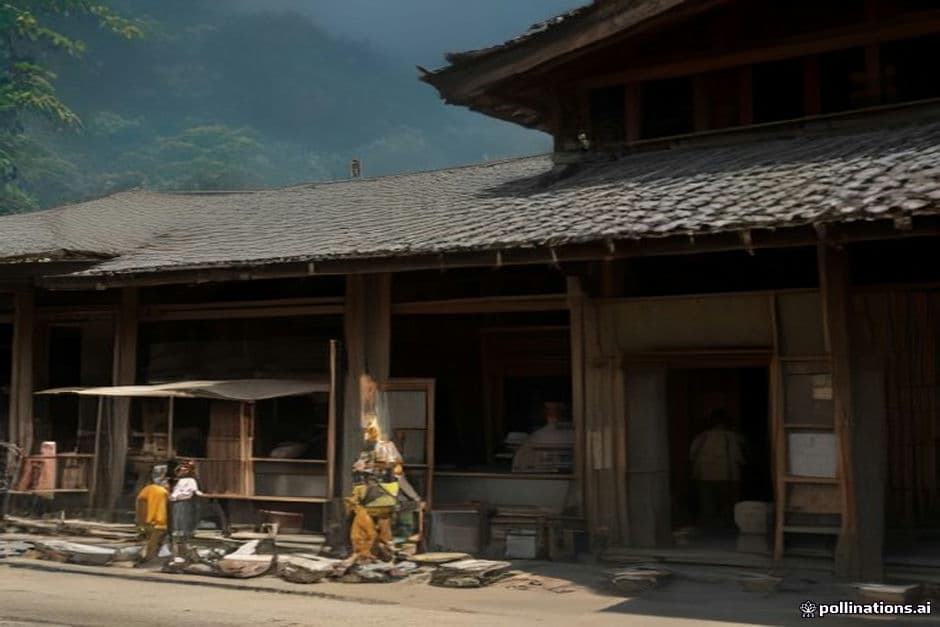
On a humid Tuesday morning in Denpasar, a group of construction workers huddles around a blueprint laid out on a makeshift table. The chatter of hammers against concrete echoes as heavy machinery roars in the background, signaling the dawn of yet another urban project. This scene, repeated across Bali, highlights the province's ongoing struggle to balance rapid development with the preservation of its rich cultural heritage.
As Bali continues to witness a surge in population and tourism, the provincial government is stepping up its efforts to manage urban growth responsibly. Governor Wayan Koster has recently announced a series of policies aimed at addressing the pressing issues of infrastructure, housing, and environmental sustainability. During a public meeting last week, he emphasized the need for a comprehensive urban plan that aligns with Bali's unique cultural identity and natural landscapes.
"We cannot allow Bali to become a concrete jungle," Koster stated, his voice resonating in the hall filled with local officials and community leaders. The Governor's vision includes the development of green spaces and public amenities that not only support the growing population but also enhance the island's allure to tourists. His administration is committed to creating a balance that promotes economic growth while safeguarding the environment.
One of the key initiatives under discussion is the enhancement of public transportation networks. With traffic congestion becoming a daily headache for residents and visitors alike, the government is pushing for sustainable transport solutions. Plans include expanding the bus rapid transit system and encouraging the use of electric vehicles with the hope of reducing Bali's carbon footprint.

In addition to transportation, the provincial government is also focusing on housing. The increasing influx of people has led to soaring property prices, which in turn affects local communities. Koster's administration is exploring partnerships with private developers to create affordable housing projects that cater to the needs of both locals and newcomers. This initiative aims to ensure that the Balinese culture remains at the forefront of urban development.
However, these ambitious plans come with challenges. Critics argue that the government must carefully manage its development strategies to avoid the pitfalls of over-commercialization that have plagued other tourist-heavy regions. The recent ban on new hotel developments highlights the government's intention to regulate growth, but concerns remain about how existing hotels and businesses will adapt to these new policies.
In conversations with local business owners, it becomes evident that while many welcome the government's efforts to regulate tourism, there is a palpable fear of losing business opportunities. Nyoman, a hotel owner in Ubud, expressed his concerns: "While we appreciate the focus on sustainability, we also need to ensure that our businesses can thrive. Striking that balance is crucial for our survival. Our livelihoods depend on it."

The government is also under pressure from environmental groups advocating for stricter regulations on waste management and pollution control. The closure of the Suwung Landfill by the end of 2025 presents an urgent challenge for Bali's waste management systems. The provincial government is actively seeking innovative solutions, including waste-to-energy projects, to address this growing concern.
As Governor Koster lays out the groundwork for these policies, he faces the critical task of engaging with various stakeholders, including local communities, business owners, and environmental activists. The challenge lies not only in crafting effective regulations but also in ensuring that they are implemented in a way that is beneficial for all parties involved.
Looking ahead, the provincial government’s efforts to maintain Bali’s charm while fostering economic growth will be put to the test. The next steps involve broad consultations and collaboration with various sectors to create a cohesive urban development strategy. As the sun sets over the bustling streets of Denpasar, the sounds of construction continue, symbolizing a future that holds both promise and uncertainty for this beloved island.



Read Also from Other Categories

Exploring Bali's Thriving Community-Based Tourism Initiatives
Bali is witnessing a significant rise in community-based tourism initiatives that are enhancing local engagement and visitor experiences. This trend, driven by local artisans and sustainable practices, is reshaping the tourism landscape across the island.

Bali's Insurance Tech Startups Attract Major Investments Amid Global Trends
Bali's insurance technology sector is rapidly gaining traction, with several startups securing significant funding in 2023. Investors are drawn to innovative solutions addressing local and global insurance challenges, signaling a shift in the investment landscape.

Increasing Boating Accidents Raise Safety Concerns for Bali's Waters
A recent uptick in boating accidents around Bali's coastline has prompted authorities to reassess safety measures. With the surge in tourist activities, local officials emphasize the need for enhanced regulations and awareness campaigns.

Community-Led Initiatives Revitalize Bali's Agricultural Heritage
In Bali, a resurgence in traditional farming practices is gaining traction, with over 40% of local farmers participating in community-led initiatives. These efforts aim to preserve the island's agricultural heritage while promoting sustainable practices and improving food security.

Training Programs in Ubud Revolutionize Bali's Job Market for Youth
In Ubud, innovative training programs are equipping local youth with vital skills needed for today's job market. With a focus on technology and creativity, these initiatives aim to bridge the employment gap and foster sustainable careers.
Local Governance Faces Challenges Amid Bali's Rapid Urban Development
Bali's local governments are grappling with the pressures of rapid urban development, as evidenced by a 35% increase in construction permits year-over-year. The struggle to balance growth with sustainability and community needs is becoming increasingly critical.
Comments (0)
No comments yet. Be the first!