Bali's New Tourism Policy Aims to Enhance Local Involvement
Bali's provincial government is implementing new tourism regulations that prioritize local community involvement and sustainable practices. These measures aim to bridge the gap between tourists and residents while preserving the island's cultural integrity.
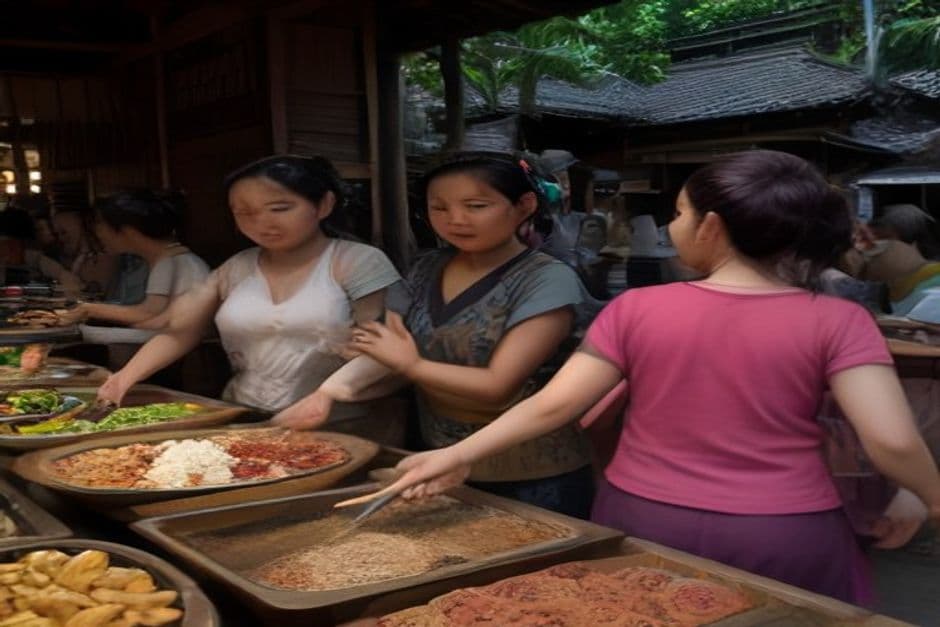
The Bali provincial government has introduced a series of new tourism policies aimed at enhancing local community involvement and ensuring sustainable practices within the industry. This initiative, announced by Governor Wayan Koster, seeks to address longstanding concerns among residents about the impacts of mass tourism on the island's cultural and ecological landscape.
Under the new guidelines, which were rolled out on October 3, 2023, the provincial government will require all tourism businesses to demonstrate a commitment to sustainable practices and community engagement. The policy mandates that at least 70% of employees in tourism-related establishments be local residents, effectively ensuring that the economic benefits of tourism are more widely distributed among the Balinese people.
Koster highlighted the importance of protecting Bali’s unique heritage, stating, "We must ensure that our cultural values are preserved, and our people benefit from the tourism industry. This policy is a step toward achieving that balance." The governor emphasized that local participation is essential for maintaining the authenticity of Balinese traditions and lifestyles in the face of ongoing globalization.
In addition to workforce localization, the new regulations also focus on environmental sustainability. Tourism businesses will be required to implement waste reduction strategies and participate in local conservation efforts. The government plans to conduct regular audits to ensure compliance and to provide support for businesses transitioning to more sustainable operations.

As part of these measures, the Bali Tourism Board is developing educational programs aimed at informing both tourists and businesses about the importance of sustainability. These programs will cover topics such as waste management, cultural sensitivity, and responsible tourism practices. The board is also collaborating with local NGOs to facilitate community workshops and training sessions.
Furthermore, the provincial government is exploring partnerships with international organizations to enhance the effectiveness of these initiatives. Discussions are underway with the United Nations Development Programme (UNDP) to create a framework for monitoring and evaluating the impacts of tourism on local communities and the environment.
The new tourism policy comes in response to growing concerns among residents about the pressures of mass tourism, especially in popular areas like Kuta and Seminyak. Many locals have expressed frustration over rising living costs, environmental degradation, and the perceived commodification of their culture. The provincial government aims to address these issues head-on through its new regulations.
Local business owners have reacted positively to the changes, with many expressing hope that increased local employment and engagement will lead to a more equitable distribution of tourism revenue. Nyoman Sari, a restaurant owner in Ubud, remarked, "This policy gives us a chance to showcase our culture while making a living. We want tourists to experience the real Bali, not just a commercialized version of it."

However, some tourism operators have voiced concerns about the feasibility of hiring predominantly local staff, particularly during peak seasons when the demand for services often exceeds local availability. To address this, the provincial government has committed to providing training and development programs aimed at enhancing the skill sets of local workers.
The provincial government is also planning to enhance public infrastructure in tourism hotspots to accommodate the expected influx of visitors. This includes expanding public transportation options and improving access to key attractions while ensuring that local communities remain engaged in the planning process.
As Bali continues to navigate the complexities of tourism in a post-pandemic world, the provincial government's new policies reflect a commitment to balancing economic growth with the preservation of local culture and the environment. By prioritizing local involvement and sustainable practices, Bali aims to redefine its tourism landscape while ensuring that the benefits of this vital industry are felt by all its residents.


Read Also from Other Categories

Bali's Wellness Tourism Sector Expands Amid Global Health Trends
Bali's wellness tourism is experiencing a significant surge as visitors seek holistic health experiences. This trend is reshaping the island's tourism landscape, with new retreats and healing practices emerging across the region.

Bali's Real Estate Investment Trend: A Shift Towards Sustainable Development
Bali's real estate sector is witnessing a transformative shift with a 30% increase in sustainable project investments over the last year. This trend highlights a growing commitment to eco-friendly developments amid rising environmental concerns.
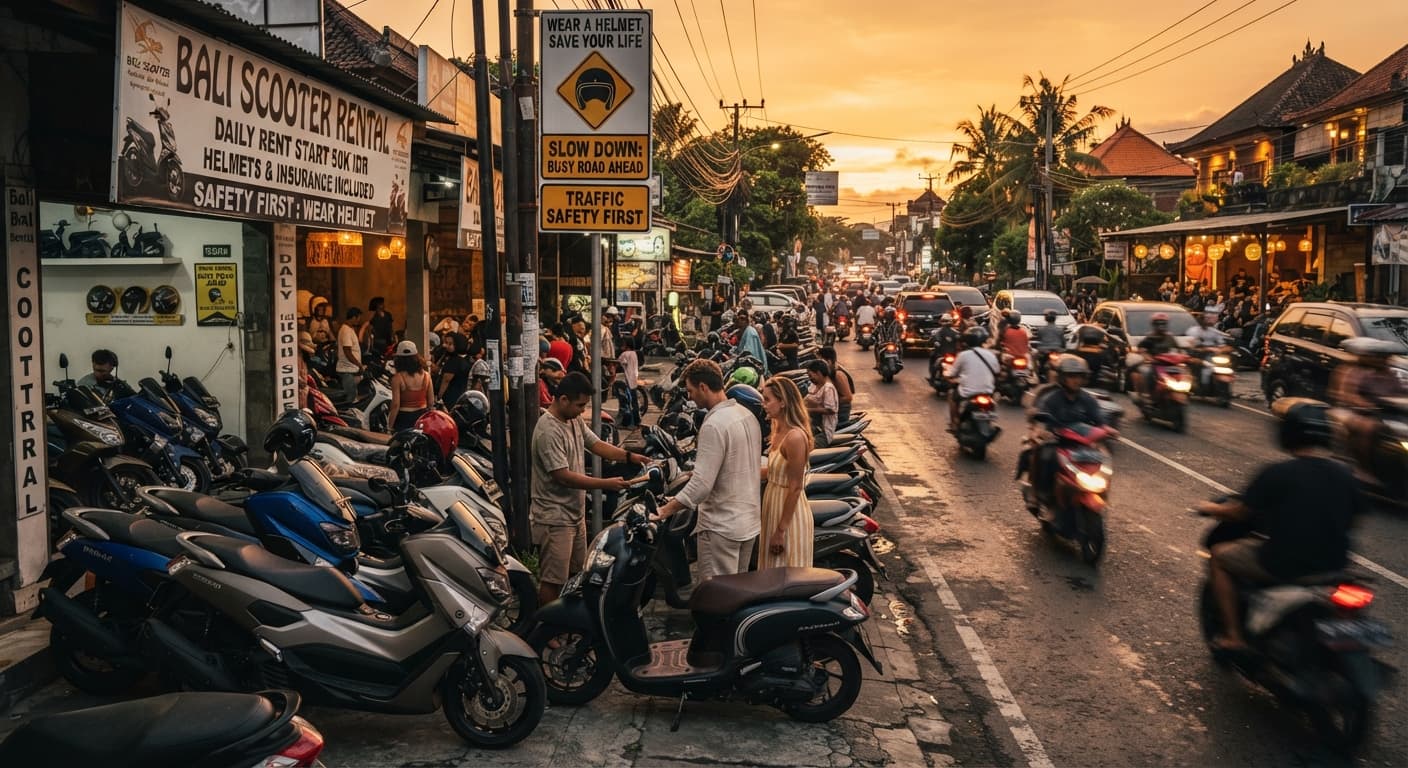
Bali's Rising Road Fatalities: A Call for Urgent Traffic Safety Measures
Bali experiences a concerning 25% increase in road fatalities in 2023, prompting calls for stricter traffic regulations. Experts warn that without immediate action, the island's tourist reputation and local safety will continue to suffer.
Bali's New Green Spaces: Community Gardens Transform Urban Landscapes
As urbanization accelerates in Bali, community gardens are emerging as a vital initiative for environmental sustainability and social cohesion. These green spaces not only beautify neighborhoods but also foster community engagement and ecological awareness among residents.

Bali's Job Market: Expanding Horizons for Career Development
As Bali's economy continues to recover, various sectors are witnessing a surge in employment opportunities. Job fairs and training programs are playing a crucial role in equipping residents with skills needed for the evolving market.
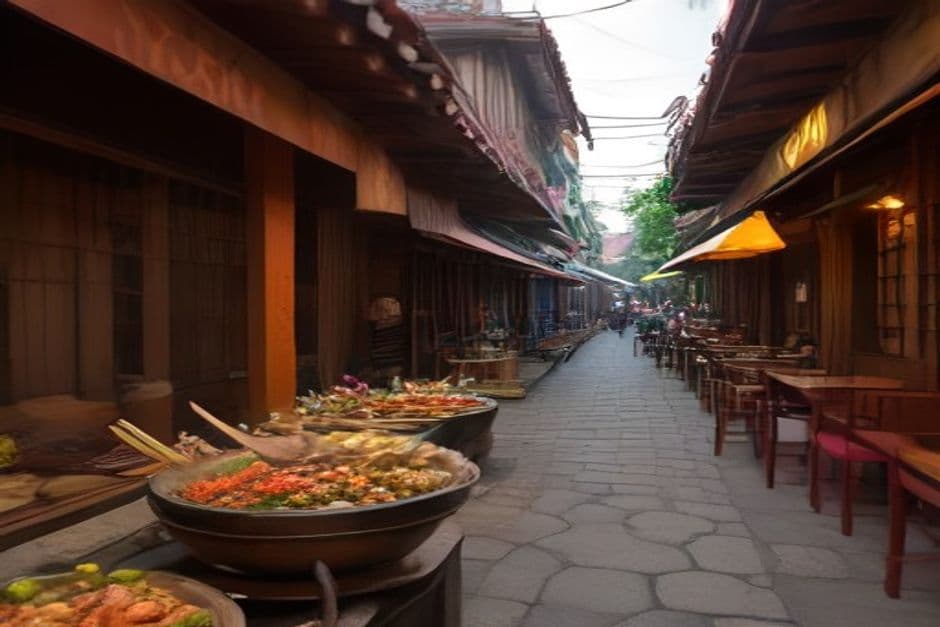
Navigating Bali's Food Scene: Local Cuisine Meets Global Influence
As Bali's food landscape evolves, local flavors intertwine with international trends, sparking a culinary renaissance. This fusion reflects both the island's rich heritage and the demands of a diverse dining clientele.
Comments (0)
No comments yet. Be the first!