Bali's New Green Spaces: Community Gardens Transform Urban Landscapes
As urbanization accelerates in Bali, community gardens are emerging as a vital initiative for environmental sustainability and social cohesion. These green spaces not only beautify neighborhoods but also foster community engagement and ecological awareness among residents.
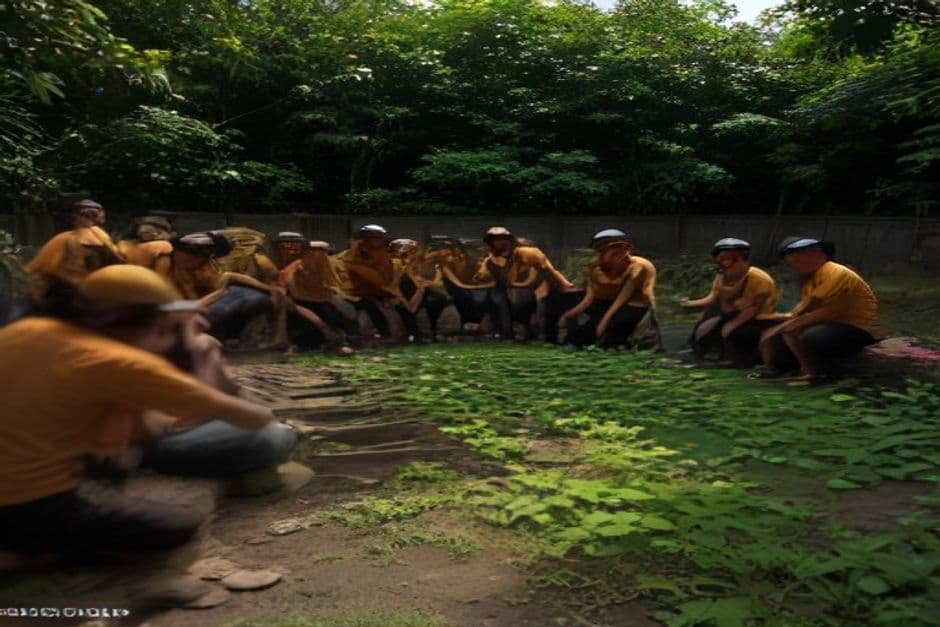
On a sunny Saturday morning in the heart of Denpasar, a group of volunteers gathers at a once-neglected lot now brimming with life. The air is filled with the earthy scent of freshly turned soil, and the sounds of laughter mingle with the faint hum of traffic from nearby streets. Armed with gardening tools and a shared vision, these residents are transforming the barren space into a vibrant community garden, part of a growing trend in Bali that blends community initiative with ecological responsibility.
Community gardens are cropping up across Bali, from the bustling streets of Seminyak to the quieter neighborhoods of Ubud. This movement is spearheaded by local governments and non-profit organizations aiming to combat urban heat and enhance biodiversity, while also addressing food security issues. In a region where land is at a premium, these gardens serve as crucial green lungs, offering not just a patch of greenery but also a means to engage residents in meaningful, hands-on activities.
The initiative has caught the attention of the local government, which has begun to allocate funding for the creation and maintenance of these gardens. According to the Denpasar City Council, more than 15 community gardens have been established in the last year alone, with plans for future expansions. "These gardens are a way for us to reclaim our urban spaces, making them not only more beautiful but also more functional," says I Made Suardana, the head of the city’s Urban Planning Department.
One notable project is the garden at Jalan Teuku Umar, where residents have turned an unused plot into a flourishing oasis that features a variety of fruits, vegetables, and native plants. Local resident Nyoman Sari, a mother of two, is one of the driving forces behind this initiative. "We wanted to create a place where our children can learn about nature and where we can grow our own food," she explains, her hands deep in the soil as she plants seedlings. This garden not only provides fresh produce but also acts as a community hub where neighbors gather for workshops and events.

The benefits of such initiatives extend beyond aesthetics and food production. Community gardens play a significant role in fostering social connections and enhancing mental well-being. Research indicates that spending time in green spaces can reduce stress, improve mood, and increase feelings of community belonging. In Bali, where the pressures of urban life can feel overwhelming, these gardens offer a sanctuary for residents to unwind and connect with one another.
Moreover, the initiative aligns with Bali's broader sustainability goals. As the island grapples with the impacts of climate change and rapid tourism development, creating green spaces is seen as a critical step towards environmental resilience. Local environmental groups advocate for more gardens, emphasizing their potential to mitigate urban flooding and enhance local biodiversity.
Bali's community gardening movement is not without challenges. Securing consistent funding and maintenance efforts can be difficult, particularly as the island’s tourism-driven economy sometimes prioritizes commercial development over green initiatives. However, passionate local advocates and community support have helped sustain these projects in the face of opposition.
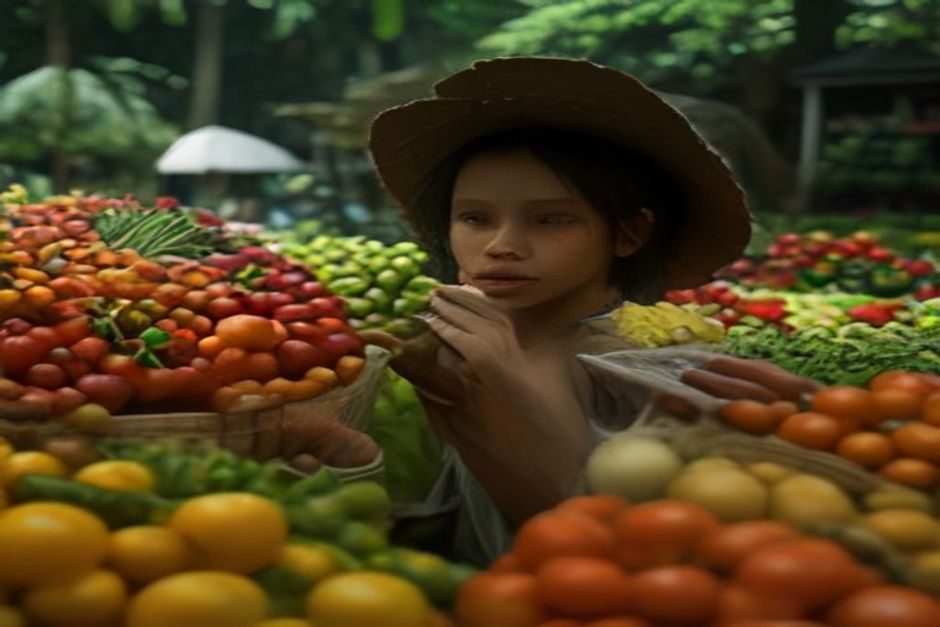
As the sun sets over Denpasar, casting a golden glow over the new garden, the sounds of children playing and adults discussing plans for a weekend farmers’ market fill the air. This is more than just a garden; it's a testament to what a community can achieve when it comes together with a shared purpose and determination. The resilience of Bali's residents shines through, proving that even in urban settings, nature can thrive alongside humanity.
Looking ahead, the future of community gardens in Bali appears promising. With continued support from local authorities and an increasing recognition of the importance of green spaces, these gardens are poised to become integral parts of Bali's urban landscape. As more residents participate in this movement, they not only cultivate plants but also cultivate a deeper connection to their environment and each other. In a world that often feels disconnected, Bali’s community gardens are a reminder of the power of unity and the beauty of nature.



Read Also from Other Categories

Ubud's Thriving Spiritual Tourism: A New Chapter in Visitor Engagement
Ubud is emerging as a key player in Bali's spiritual tourism scene, attracting visitors seeking authentic experiences. With a focus on local traditions and wellness, the area is redefining how tourists engage with Balinese culture.

Transforming Bali's Public Services: AI Integration Gains Momentum
The Bali provincial government is ramping up efforts to integrate artificial intelligence into public services, aiming for a more efficient administrative process. This shift reflects a growing trend across Indonesia as local governments adopt digital solutions to enhance service delivery.

Emerging Trends in Bali's Investment Landscape: The Rise of Impact Startups
Bali is witnessing a significant shift in investment trends as impact startups gain traction. With a focus on social and environmental benefits, these ventures are attracting both local and international funding in unprecedented ways.

Unexpected Water Supply Crisis Hits Bali Amid Rising Demand and Climate Change
Bali faces a critical water supply shortage, with demand increasing by 25% year-over-year. Local officials are mobilizing to address the crisis as climate change exacerbates existing challenges.
Job Opportunities in Bali's Agriculture Sector: A Path to Sustainability
Bali's agriculture sector is undergoing a transformation, presenting new job opportunities to locals. With a focus on sustainable practices, training programs are paving the way for a greener future in employment.
Rethinking Bali's Digital Nomad Policies: A Call for Sustainable Integration
Bali's digital nomad community has surged by 35% in the past year, prompting discussions on the need for more structured policies. Experts argue that without strategic planning, the influx could strain local resources and cultural integrity.
Comments (0)
No comments yet. Be the first!