Bali's New Financial Literacy Program Aims to Empower Local Communities
The Bali provincial government is launching a financial literacy initiative aimed at empowering residents and local businesses. This program seeks to enhance economic resilience in the face of rising living costs and economic uncertainty.
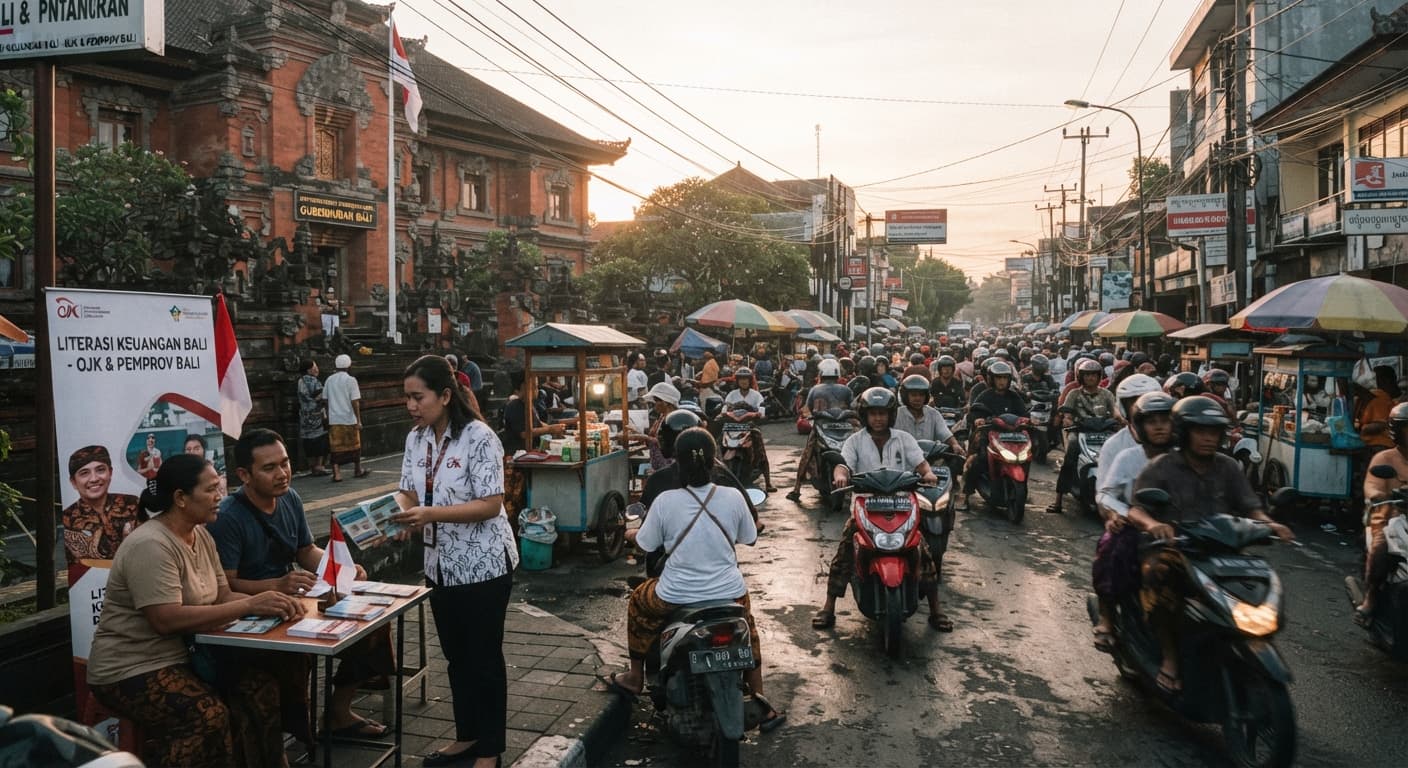
As the sun rises over the bustling streets of Denpasar, the sound of roosters crowing blends with the honking of scooters navigating through the morning traffic. Here, in the heart of Bali's capital, the provincial government is unveiling an ambitious initiative aimed at tackling one of the most pressing issues facing the island today: financial literacy.
Governor Wayan Koster, who has prioritized economic empowerment during his administration, announced the launch of a new financial literacy program during a press conference at the Bali Provincial Office. 'This program is not just about numbers; it's about empowering our communities to make informed financial decisions that will shape their futures,' Koster said, his voice resonating with conviction.
The initiative will be implemented across Bali’s diverse regions, with a particular focus on rural areas where access to financial education is limited. Local residents, especially those in traditional markets like Pasar Badung, often lack the knowledge and tools to manage their finances effectively. The program aims to bridge this gap by offering workshops, seminars, and one-on-one coaching sessions.
In the vibrant streets of Ubud, a local artisan shop owner, Nyoman, expressed her enthusiasm for the program. 'Understanding how to manage my earnings is crucial for my business. I hope this initiative will help me and my fellow artisans make better financial decisions,' she said, as she arranged her handcrafted goods for the day’s customers.
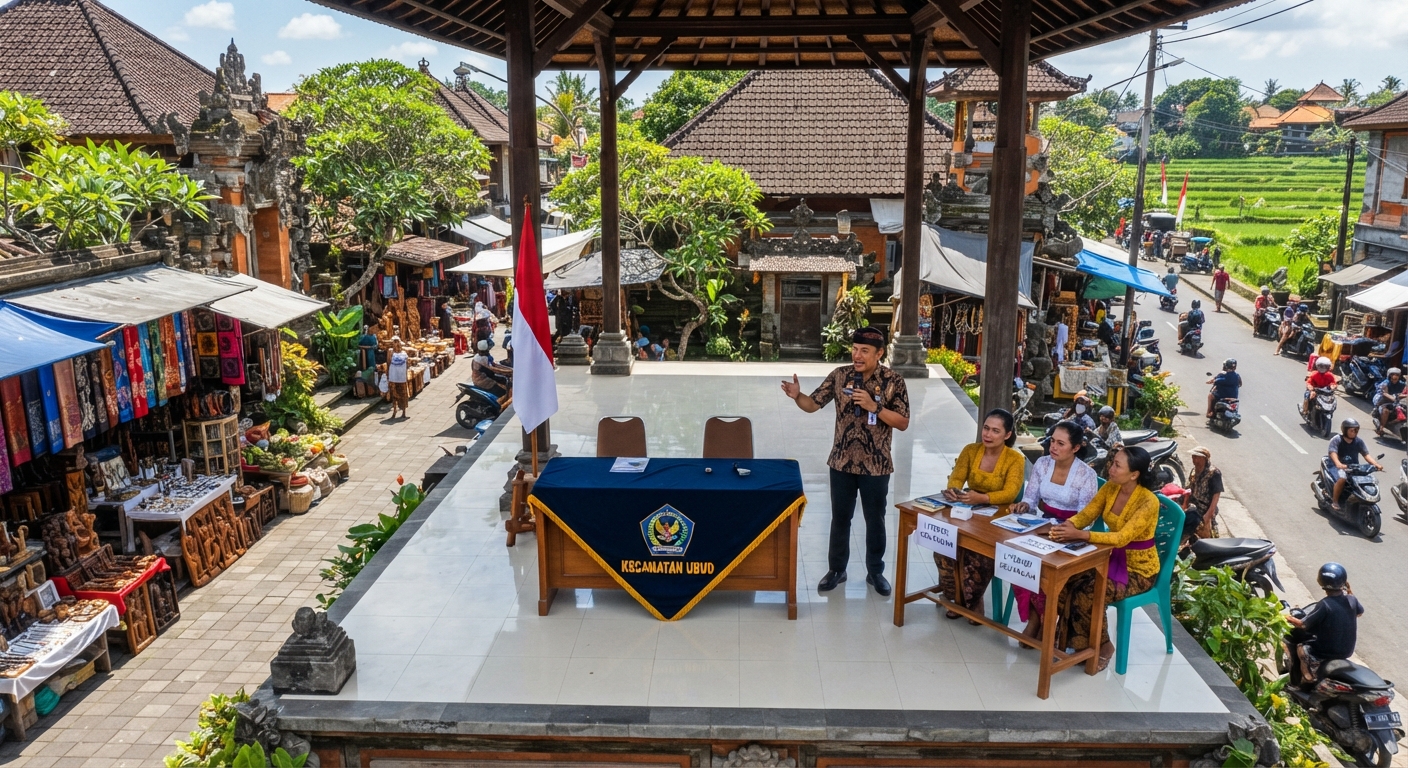
The financial literacy program will cover essential topics such as budgeting, saving, investing, and understanding credit. According to the Bali Economic Bureau, over 60% of local businesses struggle with cash flow management, highlighting the urgent need for better financial education.
As part of the program's rollout, the provincial government is partnering with local banks and NGOs to provide resources and expertise. In addition, mobile units will travel to remote areas, ensuring that even those in the most secluded villages will have access to financial education. 'We are committed to reaching every corner of Bali, ensuring that no one is left behind,' Koster added during the announcement.
Residents in Kuta, a popular tourist destination, also stand to benefit from the program. Here, local business owners face increasing challenges due to fluctuating tourist numbers and rising operational costs. A coffee shop owner in Legian, Putu, shared her concerns: 'With the current economic climate, I need to know how to save and invest wisely for the future of my business. This program could be a game-changer for us.'

The initiative is set to launch next month, with the first workshops scheduled to take place in the bustling districts of Denpasar and Gianyar. The provincial government has allocated a budget of Rp 5 billion for this project, reflecting its commitment to fostering a financially literate workforce.
As the program rolls out, local officials are optimistic about its potential impact. 'Financial literacy is a vital skill for everyone, especially in today's economy. We hope to see a significant improvement in the financial well-being of our communities,' said I Gede Suardana, Head of the Bali Economic Bureau.
In a time when economic uncertainty looms large, Bali's new financial literacy program stands as a beacon of hope for its residents. By equipping individuals with the knowledge and tools to navigate their financial futures, the provincial government is not only investing in the present but also laying the groundwork for a more resilient economic landscape in Bali.



Read Also from Other Categories

Ubud's Thriving Spiritual Tourism: A New Chapter in Visitor Engagement
Ubud is emerging as a key player in Bali's spiritual tourism scene, attracting visitors seeking authentic experiences. With a focus on local traditions and wellness, the area is redefining how tourists engage with Balinese culture.

Emerging Trends in Bali's Investment Landscape: The Rise of Impact Startups
Bali is witnessing a significant shift in investment trends as impact startups gain traction. With a focus on social and environmental benefits, these ventures are attracting both local and international funding in unprecedented ways.

Unexpected Water Supply Crisis Hits Bali Amid Rising Demand and Climate Change
Bali faces a critical water supply shortage, with demand increasing by 25% year-over-year. Local officials are mobilizing to address the crisis as climate change exacerbates existing challenges.

Local Farmers Transition to Agro-Tourism Amidst Climate Challenges
As climate change impacts agriculture, Bali's farmers are embracing agro-tourism to sustain their livelihoods. This shift not only preserves local culture but also enhances community engagement and economic resilience.

Job Opportunities in Bali's Agriculture Sector: A Path to Sustainability
Bali's agriculture sector is undergoing a transformation, presenting new job opportunities to locals. With a focus on sustainable practices, training programs are paving the way for a greener future in employment.

Rethinking Bali's Digital Nomad Policies: A Call for Sustainable Integration
Bali's digital nomad community has surged by 35% in the past year, prompting discussions on the need for more structured policies. Experts argue that without strategic planning, the influx could strain local resources and cultural integrity.
Comments (0)
No comments yet. Be the first!