Bali's Innovative Waste Management Strategy: Aiming for Zero Landfill
Bali's provincial government is implementing a comprehensive waste management initiative aimed at achieving zero landfill by 2030. This ambitious plan focuses on reducing waste through innovative recycling programs and community engagement, setting a new standard for environmental sustainability.
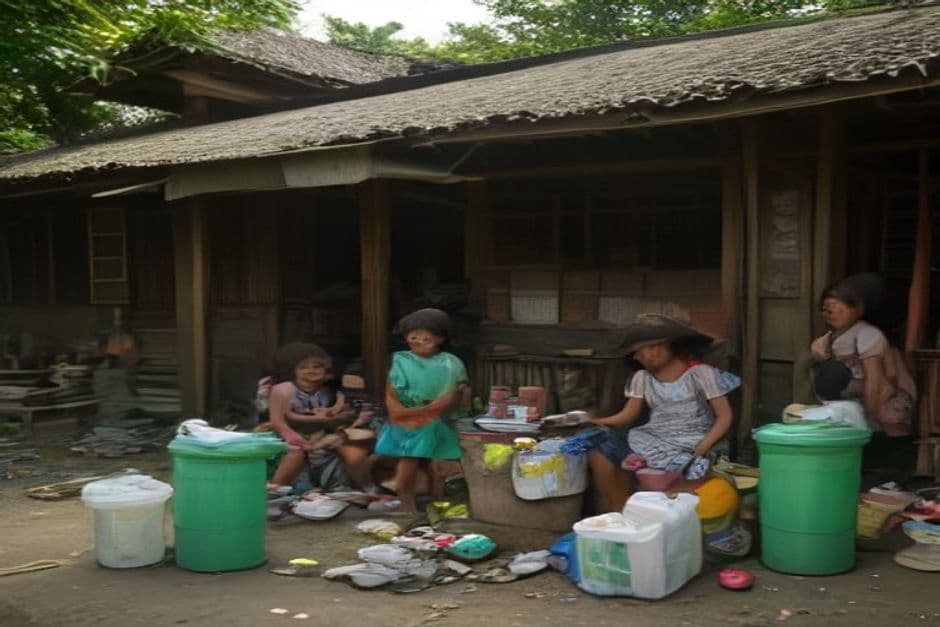
In the bustling streets of Ubud, a group of local residents gather around a makeshift recycling station, sorting through plastic bottles, paper, and organic waste under the watchful eye of a community leader. The sound of rustling paper and clinking plastic echoes through the air as children eagerly learn about the importance of recycling. This scene typifies a growing movement across Bali, where the provincial government is spearheading a pioneering waste management strategy designed to reduce landfill use and promote sustainability.
Governor Wayan Koster recently unveiled an ambitious plan aimed at achieving zero waste to landfill by 2030, a move that has garnered interest and support from both residents and environmentalists. "We are committed to reshaping how we think about waste management in Bali," Koster stated at a press conference. The initiative involves the implementation of comprehensive recycling programs, education campaigns, and collaboration with local businesses to minimize waste production.
Currently, Bali faces significant challenges regarding waste management, with the Suwung landfill expected to close by the end of 2025. The site, which has been a primary waste disposal facility for years, has reached its capacity, prompting urgent action from the provincial government. In response, Koster's administration is investing in innovative technologies and infrastructure to facilitate waste sorting and recycling.
One of the key components of the strategy is the establishment of recycling centers across the island. These centers will serve as hubs for community engagement and education, where residents can learn about waste segregation and the recycling process. Local schools are also involved in this initiative, incorporating waste management education into their curricula to instill environmentally conscious habits in the younger generation.

Moreover, the government is collaborating with local businesses to adopt a circular economy model, where waste is minimized, and materials are reused. This approach has already seen success with several hotels and restaurants in Seminyak and Canggu implementing on-site composting and waste reduction initiatives. By encouraging businesses to reduce their waste footprint, the provincial government hopes to foster a culture of sustainability that extends beyond individual households.
To facilitate this transition, the government has allocated a budget of Rp 200 billion for the next two years to support the waste management strategy. This funding will go towards infrastructure development, public education campaigns, and the establishment of partnerships with non-governmental organizations (NGOs) focused on environmental conservation. The collaboration with NGOs is particularly crucial, as they often have the expertise and community connections necessary to drive engagement and encourage participation.
As part of the strategy, the provincial government is also introducing stricter regulations on waste disposal. Businesses violating waste management protocols could face significant fines, while residents will be encouraged to participate in community clean-up days and recycling events. This regulatory framework aims to hold all sectors of society accountable for their waste production and management.
In addition to local efforts, Bali's waste management strategy aligns with national initiatives to combat environmental degradation and climate change. The Ministry of Environment and Forestry has expressed support for Bali's plan, recognizing the province as a model for other regions in Indonesia. The national government has implemented various policies to encourage sustainable practices, including incentives for local governments that successfully reduce waste.

Despite the optimistic outlook, challenges remain. The cultural acceptance of waste segregation varies across different regions of Bali, and some residents may resist changes to their waste disposal habits. To address this, the provincial government is focusing on grassroots outreach, engaging community leaders and influencers who can help spread the message about the importance of sustainable waste management.
As Bali embarks on this journey toward a zero-waste future, the collective effort of its residents, businesses, and government will be vital in transforming the island's approach to waste. The ongoing education and community involvement will determine the success of this initiative, as the people of Bali adapt to new habits and embrace a sustainable lifestyle.
Looking ahead, the provincial government envisions a future where Bali is not only a leading tourist destination but also a beacon of environmental sustainability. The ambitious waste management strategy could set a precedent for other regions in Indonesia and beyond, showcasing how proactive policies and community engagement can lead to meaningful change.


Read Also from Other Categories

Gentrification in Canggu: The Cost of Bali's Tourism Boom
As Canggu's popularity surges, local residents face the challenges of rising costs and cultural shifts. The influx of tourists is transforming the neighborhood, sparking debates on sustainability and authenticity.

Emerging Investment Opportunities in Bali's Agricultural Sector
Bali's agricultural sector is witnessing a resurgence as investors turn to sustainable farming practices and agritech innovations. This trend highlights the potential for increased economic diversification and food security on the island.

Emergency Services Gear Up for Potential Tsunami Risks in Bali
As seismic activity increases near Bali, local authorities prepare for potential tsunami threats. Emergency drills and safety measures are being reinforced to protect both residents and tourists in vulnerable coastal areas.

Bali's Urban Development: A Push Towards Sustainable Infrastructure
Bali's local government is investing IDR 500 billion to enhance urban infrastructure while promoting sustainability. This initiative aims to balance modernization with cultural preservation across the island.

Job Opportunities Thrive as Bali Upskills Workforce through Partnerships
Bali is witnessing a surge in employment opportunities fueled by strategic partnerships between educational institutions and local businesses. Enhanced training programs are equipping the workforce with essential skills to meet the evolving demands of various sectors.

Tourism and Tradition: Bali's Artisans Struggle for Survival
As Bali's tourism industry rebounds, local artisans face challenges in preserving their craft. This tension between economic revival and cultural integrity raises critical questions about the future of Balinese artistry.
Comments (0)
No comments yet. Be the first!