Unlocking Potential: Bali's Shift Towards Hybrid Job Training Programs
As Bali embraces a new era of employment, hybrid job training programs are gaining traction. This innovative approach combines traditional training with online learning, creating flexible opportunities for job seekers across the island.
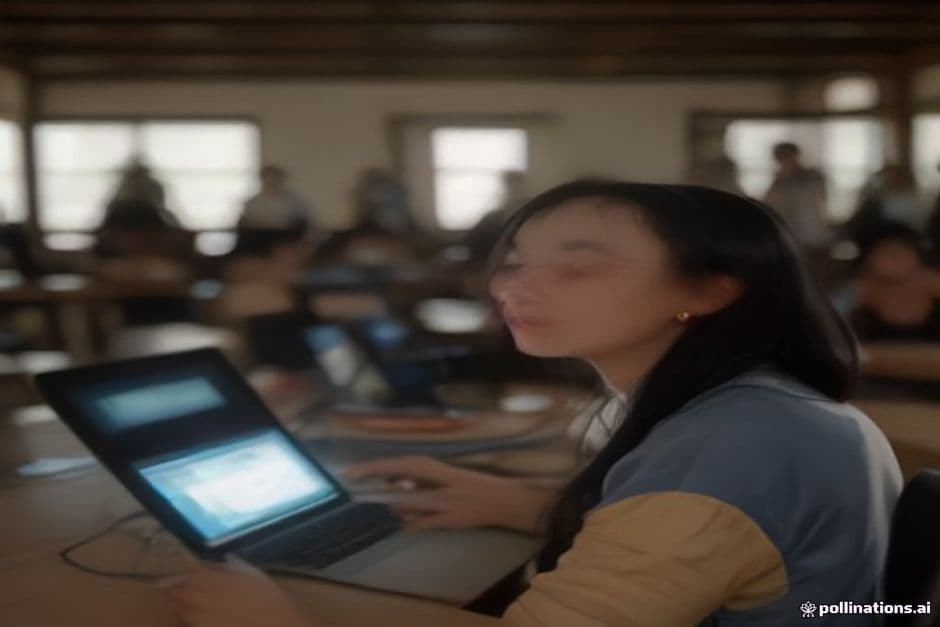
In the heart of Denpasar, a bustling training center hums with energy as young adults gather around laptops, their faces illuminated by the soft glow of screens. The sound of keyboards clicking harmonizes with the enthusiastic chatter of instructors guiding students through the intricacies of digital marketing and graphic design. This scene is emblematic of a significant shift in Bali's approach to workforce development, as hybrid job training programs emerge to meet the demands of a rapidly changing job market.
As the global economy evolves, Bali's labor market is also adapting, responding to the increasing need for flexibility and diverse skill sets. Hybrid training programs, which blend online modules with in-person workshops, are becoming increasingly popular as they cater to the varying needs of job seekers. With Bali's traditional industries facing challenges post-pandemic, these programs are crucial in equipping the workforce with skills relevant to emerging sectors.
The Bali Manpower Office has been at the forefront of this initiative, collaborating with local and international organizations to design a curriculum that reflects current job market trends. "Our goal is to create a workforce that is not only skilled but also adaptable to the changes in the job landscape," said the Head of the Bali Manpower Office. The office has reported a 30% increase in enrollment in hybrid training programs over the past year, indicating a growing interest among job seekers.
One notable program is the partnership between the Bali Manpower Office and an international e-learning platform, which offers courses in technology, hospitality management, and entrepreneurship. Participants can learn at their own pace while also benefiting from hands-on workshops held in various locales across the island, from the bustling streets of Kuta to the serene settings of Ubud. This flexibility allows students to balance their studies with other commitments, such as part-time jobs or family responsibilities.

In addition to catering to young adults, these programs are also attracting a diverse demographic, including professionals looking to upskill or pivot their careers. For instance, a former tour guide named Sari, now enrolled in a hybrid training program, expressed her excitement about learning digital skills. "I realized that to stay relevant, I needed to adapt. This program has given me the chance to learn new skills while still managing my time effectively," she shared, her enthusiasm evident as she discussed her aspirations of entering the tech industry.
Employers are also taking notice. Local businesses are increasingly partnering with training institutions to develop tailored programs that meet their specific workforce needs. Restaurants, hotels, and tech startups are all seeking employees who possess not only technical skills but also soft skills, such as communication and teamwork. This alignment between training programs and employer expectations is crucial in addressing the skills gap that has historically plagued the Balinese job market.
As these hybrid training programs continue to grow, they are expected to play a vital role in shaping Bali's economic recovery. The integration of technology into the workforce is not only beneficial for individuals but also for businesses looking to innovate and thrive. This is particularly important as Bali aims to attract more sustainable and high-quality tourism, which demands a skilled workforce capable of providing exceptional service.

Looking forward, the Bali government plans to expand these initiatives further, with a focus on reaching underserved communities in rural areas. By offering more accessible training opportunities, the aim is to uplift those who may not have had access to such resources in the past. Furthermore, with the rise of remote work, these programs will also include modules specifically designed for freelancers and digital nomads, allowing them to hone their skills while living in paradise.
As the sun sets over Denpasar, painting the sky in shades of orange and pink, the energy within the training center remains vibrant. The future of Bali's workforce looks promising, as hybrid training programs not only empower individuals but also pave the way for a more resilient and adaptable economy. This evolving landscape of job opportunities signals a new chapter for Bali, one where innovation and tradition can harmoniously coexist.



Read Also from Other Categories

Unveiling Bali's Art Scene: A New Chapter in Cultural Tourism
Bali's art scene is experiencing a transformative revival, attracting tourists and art enthusiasts alike. This cultural renaissance is reshaping visitor experiences and bolstering the local economy through innovative art initiatives and exhibitions.

Local Farmers Rally for Support Amid Bali's Agricultural Policy Shift
As Bali's provincial government implements new agricultural policies, local farmers express concerns over their livelihoods. The shift aims to modernize practices but raises questions about sustainability and community impact.

Investors Shift Focus to Bali's Innovative Aquaculture Ventures in 2023
Bali's aquaculture sector has seen a remarkable 35% increase in investment this year, attracting both local and international funding. The surge is driven by a growing demand for sustainable seafood and innovative farming techniques.

Canggu Residents Alarmed by Rising Incidents of Coastal Erosion
As Canggu's picturesque coastline faces increasing erosion, local residents and businesses express urgent concerns. The ongoing erosion threatens homes, livelihoods, and the area's renowned tourism appeal.
Community-Led Initiatives Foster Urban Infrastructure Growth in Denpasar
Residents of Denpasar are taking the lead in improving urban infrastructure through collaborative projects. Local government support amplifies these initiatives, aiming to enhance the city's livability amidst rapid urbanization.

Cafes and Culture: The Role of Community Spaces in Bali's Recovery
As Bali emerges from the pandemic, community cafes are becoming vital hubs for cultural exchange and economic revitalization. These spaces are not only serving coffee but also fostering a sense of belonging and collaboration among locals and visitors alike.
Comments (0)
No comments yet. Be the first!