Unexpected Increase in Bicycle Accidents Sparks Safety Measures Across Bali
Bali's picturesque roads are becoming increasingly dangerous as recent data reveals a concerning rise in bicycle accidents. Local authorities are now implementing new safety measures to protect both residents and tourists navigating the island’s popular cycling routes.
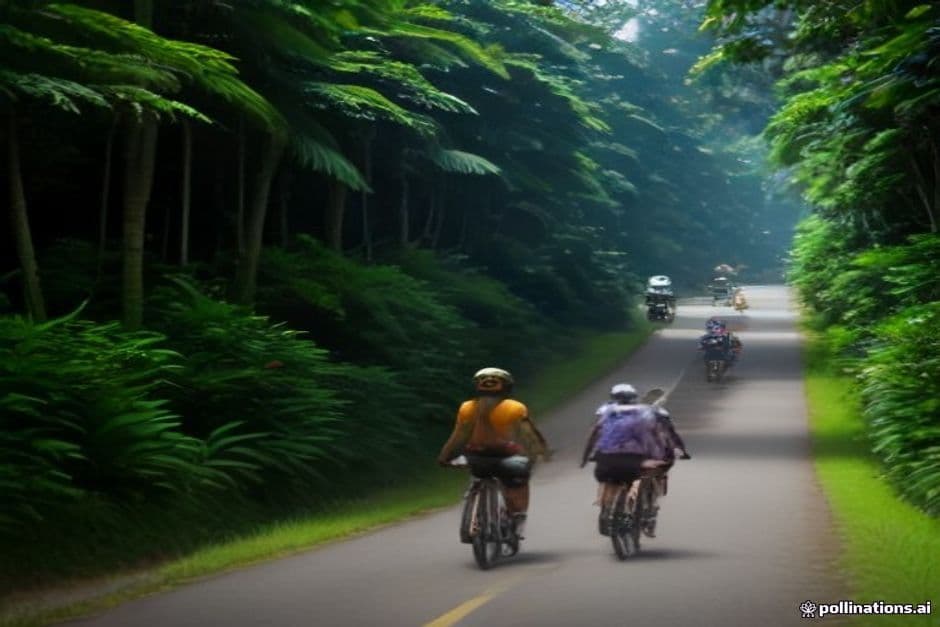
The sun dipped low over the rice paddies of Ubud, casting a golden hue across the landscape. A group of tourists, clad in bright cycling gear, pedaled cheerfully along the winding roads, their laughter blending with the sounds of nature. Just moments later, the serene scene shattered as a loud crash echoed through the air—the unmistakable sound of a bicycle colliding with a car. This incident, witnessed by several passersby, is part of a troubling trend that has local authorities on high alert.
Recent statistics indicate a sharp increase in bicycle accidents across Bali, with a staggering 30% rise reported in the last year alone. The Bali Health Agency released data showing that between January and June 2026, over 150 cyclists were hospitalized due to accidents, a significant spike compared to previous years. The roadways that were once tranquil pathways for leisurely rides have transformed into hazardous routes, particularly in tourist-heavy areas like Canggu and Ubud.
As the popularity of cycling tours continues to grow among both tourists and locals, the rising number of accidents has raised concerns regarding road safety. Local resident and cycling enthusiast, Made Putu, expressed his worries: "Every day I see tourists riding without helmets or proper knowledge of the roads. It’s a recipe for disaster." The influx of visitors, often unfamiliar with the terrain and local traffic laws, has compounded the risk of accidents.
In response to this alarming trend, the Bali Provincial Government is taking decisive action. A new campaign aimed at improving cyclist safety was announced last week by the Head of Bali’s Transportation Department, I Made Suardana. "We are committed to making our roads safer for everyone, especially for cyclists. This includes better signage, dedicated bike lanes, and mandatory helmet laws," he stated during a press conference.
Additionally, local authorities are collaborating with tourism operators to implement safety briefings for tourists before they embark on cycling tours. These briefings will include essential information on road rules, potential hazards, and the importance of wearing safety gear. Tour operators like Bali Bike Tours are already integrating these safety measures into their packages to ensure the well-being of their clients.
However, some locals express skepticism about the effectiveness of these measures. Wayan Sari, a long-time resident of Canggu, voiced her concerns: "It’s not just about education; drivers need to be more aware of cyclists too. There’s a culture of recklessness on the roads that needs to change." This sentiment underscores the need for a collaborative effort between cyclists, drivers, and local government to foster a safer environment.
Moreover, recent incidents have highlighted the dangers posed by the island's infrastructure. Many roads lack adequate lighting, signage, and designated cycling lanes, making it imperative for the government to invest in infrastructure improvements. The Bali Cycling Association has called for a comprehensive review of existing cycling routes, advocating for the establishment of more safe cycling paths away from vehicular traffic.

As Bali gears up for its peak tourist season, the urgency to address these safety concerns has never been more critical. The combination of increased tourism and a lack of awareness among both cyclists and drivers presents a complex challenge that requires immediate attention. The government’s proactive measures, coupled with community engagement, aim to create a safer Bali for all.
Looking ahead, the focus will not only be on implementing new safety regulations but also on fostering a culture of respect and awareness on the roads. As more people embrace cycling as a mode of transport and recreation, the hope is that Bali can become a model for safe cycling practices in Indonesia. With the right measures in place, the idyllic roads of Bali can once again be a haven for cyclists, ensuring that the laughter echoing through the rice fields is accompanied by a commitment to safety.



Read Also from Other Categories

Unveiling Bali's Art Scene: A New Chapter in Cultural Tourism
Bali's art scene is experiencing a transformative revival, attracting tourists and art enthusiasts alike. This cultural renaissance is reshaping visitor experiences and bolstering the local economy through innovative art initiatives and exhibitions.

Local Farmers Rally for Support Amid Bali's Agricultural Policy Shift
As Bali's provincial government implements new agricultural policies, local farmers express concerns over their livelihoods. The shift aims to modernize practices but raises questions about sustainability and community impact.

Investors Shift Focus to Bali's Innovative Aquaculture Ventures in 2023
Bali's aquaculture sector has seen a remarkable 35% increase in investment this year, attracting both local and international funding. The surge is driven by a growing demand for sustainable seafood and innovative farming techniques.

Community-Led Initiatives Foster Urban Infrastructure Growth in Denpasar
Residents of Denpasar are taking the lead in improving urban infrastructure through collaborative projects. Local government support amplifies these initiatives, aiming to enhance the city's livability amidst rapid urbanization.
Bali's New Career Hub: Empowering Local Job Seekers with Innovative Training
Bali's job seekers are gaining new opportunities through a strategic partnership between local businesses and vocational training centers. This initiative aims to equip the workforce with essential skills to meet the demands of a rapidly changing job market.

Cafes and Culture: The Role of Community Spaces in Bali's Recovery
As Bali emerges from the pandemic, community cafes are becoming vital hubs for cultural exchange and economic revitalization. These spaces are not only serving coffee but also fostering a sense of belonging and collaboration among locals and visitors alike.
Comments (0)
No comments yet. Be the first!