Unexpected Dangers: A Surge in Bali's Wildfire Incidents Raises Alarms
Bali is currently facing an alarming increase in wildfire incidents, endangering both natural habitats and communities. As the dry season continues, local authorities urge heightened vigilance and strategic prevention measures.
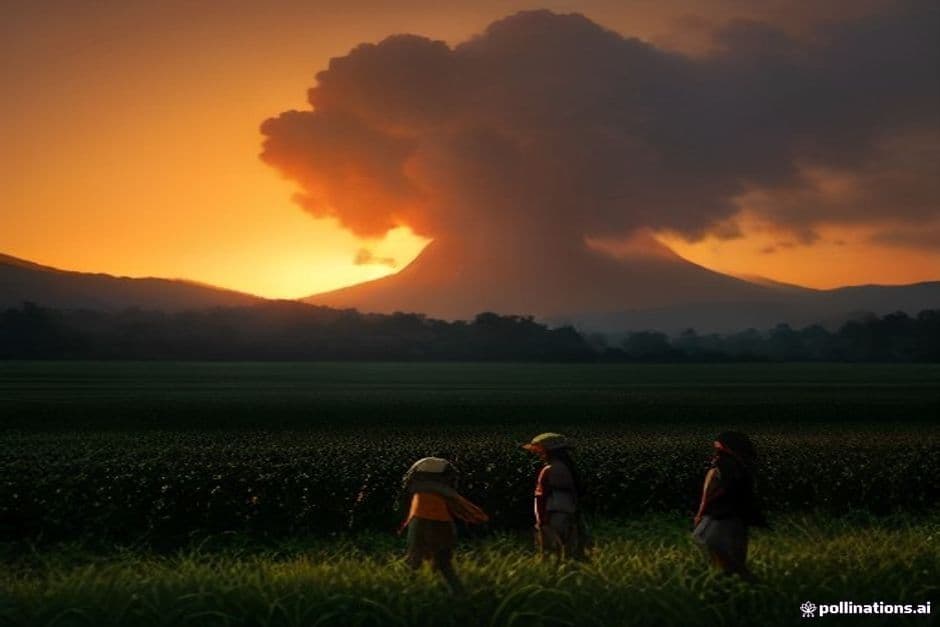
Amid the golden hues of a setting sun over the lush landscapes of Ubud, the crackling sound of flames fills the air, a stark reminder of the dangers that lurk in Bali's natural beauty. Just last week, a wildfire ignited on the slopes of Mount Batukaru, threatening not only the verdant forests but also nearby villages. Local farmers, who had just begun to harvest their crops, watched in despair as flames swept through their fields, turning hopes of a bountiful season into ash.
The rapid onset of these wildfires has taken many by surprise, with authorities reporting a 40% increase in incidents compared to last year. The dry and windy conditions typical of Bali’s dry season, coupled with prolonged periods of low rainfall, have created a perfect storm for wildfires. As of the start of September, the Bali Disaster Management Agency (BPBD) has recorded over 25 wildfire incidents across the island, causing significant concern among residents and environmentalists alike.
"We are witnessing a worrying trend, especially in areas like Gianyar and Tabanan, where wildfires have become more frequent and intense," noted I Gede Sudarma, the head of BPBD Bali. Sudarma emphasized the necessity for community engagement and education on fire prevention strategies. "Our goal is to empower local communities to take the necessary precautions to prevent these fires from occurring in the first place. It is not just about responding to the fires, but preventing them through education and preparedness," he added.
The impact of these wildfires extends beyond immediate property damage; they threaten Bali's delicate ecosystems, including endangered species habitats. The smoke from the fires also poses significant health risks, particularly for vulnerable populations. Residents in affected areas have reported respiratory issues due to the thick haze that blankets their communities, forcing many to stay indoors.

In response, local authorities are ramping up efforts to manage the risk. Firebreaks are being constructed in high-risk areas, and community workshops are being held to educate residents on the significance of maintaining fire safety. Local volunteers are mobilizing to create awareness and assist in fire prevention measures, fostering a sense of community responsibility that is essential in these times.
One such workshop took place last weekend in the village of Petang, where over 150 residents gathered to learn about fire safety techniques. During the session, local fire officials demonstrated how to create firebreaks and manage controlled burns. "Education is key to prevention," shared Ketut Wayan, a local farmer who attended the workshop. "We need to understand how to protect our land and homes from these fires, especially during the dry season. It’s a matter of survival for us."
Despite these proactive measures, the unpredictability of wildfires remains a serious concern. Climate change continues to exacerbate extreme weather conditions across the globe, and Bali is no exception. As temperatures rise and weather patterns shift, the likelihood of wildfires may increase even further, prompting environmental experts to call for more comprehensive strategies to address the root causes of climate vulnerability.

In the face of these challenges, Bali's communities display resilience and determination. As they band together to protect their homes and environment, the call for systemic changes in fire management and climate adaptation strategies grows louder. The need for comprehensive policies that address both immediate fire risks and long-term climate resilience is becoming increasingly urgent.
As the dry season progresses, the vigilance of local communities, combined with the support of governmental agencies, will be crucial in preventing further disasters. The stakes are high—not just for the immediate safety of residents, but for the preservation of Bali's unique ecosystems and the livelihoods that depend on them. While the flames may flicker and fade, the lessons learned from these incidents will leave a lasting impact on how Bali approaches wildfire prevention and environmental stewardship in the years to come.



Read Also from Other Categories

Unveiling Bali's Art Scene: A New Chapter in Cultural Tourism
Bali's art scene is experiencing a transformative revival, attracting tourists and art enthusiasts alike. This cultural renaissance is reshaping visitor experiences and bolstering the local economy through innovative art initiatives and exhibitions.

Local Farmers Rally for Support Amid Bali's Agricultural Policy Shift
As Bali's provincial government implements new agricultural policies, local farmers express concerns over their livelihoods. The shift aims to modernize practices but raises questions about sustainability and community impact.

Investors Shift Focus to Bali's Innovative Aquaculture Ventures in 2023
Bali's aquaculture sector has seen a remarkable 35% increase in investment this year, attracting both local and international funding. The surge is driven by a growing demand for sustainable seafood and innovative farming techniques.

Community-Led Initiatives Foster Urban Infrastructure Growth in Denpasar
Residents of Denpasar are taking the lead in improving urban infrastructure through collaborative projects. Local government support amplifies these initiatives, aiming to enhance the city's livability amidst rapid urbanization.
Bali's New Career Hub: Empowering Local Job Seekers with Innovative Training
Bali's job seekers are gaining new opportunities through a strategic partnership between local businesses and vocational training centers. This initiative aims to equip the workforce with essential skills to meet the demands of a rapidly changing job market.

Cafes and Culture: The Role of Community Spaces in Bali's Recovery
As Bali emerges from the pandemic, community cafes are becoming vital hubs for cultural exchange and economic revitalization. These spaces are not only serving coffee but also fostering a sense of belonging and collaboration among locals and visitors alike.
Comments (0)
No comments yet. Be the first!