Ubud's Cultural and Tech Fusion Sparks New Investment Opportunities
Investment opportunities in Ubud grow as cultural initiatives merge with tech startups, attracting local and international funding. This dynamic shift is reshaping the economic landscape of Bali's artistic heart.

In the heart of Ubud, the streets buzz with excitement as a new wave of investment flows into projects that blend culture with technology. As the sun rises, the aroma of fresh coffee wafts through the air, mingling with the sounds of traditional gamelan music echoing from nearby studios. Entrepreneurs and investors are increasingly drawn to this vibrant area, where startups are innovating at the intersection of artistry and digital advancement.
Recent events at the Ubud Art Market reveal a palpable energy. Local artists and tech innovators set up booths to showcase their products, from handcrafted goods to digital art platforms. "We’re seeing a fusion of creativity and technology; it’s a game changer for Ubud," says Nira, a local artist whose digital art platform has attracted attention from venture capitalists. Her experience reflects a broader trend in which traditional Balinese culture is being reimagined through digital mediums, driving significant interest from both local and foreign investors.
One notable initiative is the Ubud Creative Hub, a newly launched incubator designed to support startups combining cultural heritage with technology. Located on Jl. Raya Ubud, this space offers resources, mentorship, and networking opportunities for budding entrepreneurs. The hub’s co-founder, Aris Setiawan, emphasizes that the goal is to cultivate a sustainable ecosystem where technology enhances rather than replaces cultural expression.
Investment in Ubud’s tech scene has surged, with reports indicating a 30% increase in funding for startups over the past year. This momentum is bolstered by programs like the Bali Startup Summit, which brings together investors, innovators, and thought leaders to discuss the future of business in Bali. "This is just the beginning," Aris notes, pointing to the diverse range of projects seeking funding, from mobile applications promoting local artisans to AI-driven platforms for cultural tourism.

Moreover, the impact of this investment is not solely economic; it is redefining Ubud’s social fabric. Community workshops are being organized to teach tech skills to local artisans, ensuring that the benefits of this tech infusion reach beyond just the startups. As these workshops fill with eager participants, it’s clear that the community is ready to embrace this new direction.
As Ubud evolves, it remains a beacon for those seeking a balance between tradition and innovation. The local government is supportive, with the Head of the Ubud Tourism Board, Ketut Artika, stating, "We see technology as a tool to enhance our cultural narrative. We want to ensure that as we grow, we maintain our identity while embracing change." This sentiment resonates through the streets, where locals and tourists alike are witnessing the transformation.
Despite the excitement, challenges remain. The rapid pace of change raises concerns about preserving Ubud's unique cultural heritage. Some locals worry that an influx of tech startups could disrupt the traditional way of life. However, initiatives like the Ubud Creative Hub aim to mitigate these concerns by fostering a collaborative environment where culture and technology coexist harmoniously.

Looking ahead, the potential for further investment is immense. As more startups emerge and attract funding, Ubud could establish itself as a leading destination for cultural tech innovations in Southeast Asia. The vibrant interplay of art, technology, and investment is not just reshaping Ubud; it is setting a precedent for other regions in Bali and beyond.
With the continued support from both the local government and the global investment community, Ubud stands at the forefront of a transformative movement. The question remains: how will this blend of tradition and innovation shape the future of Bali's cultural landscape?



Read Also from Other Categories
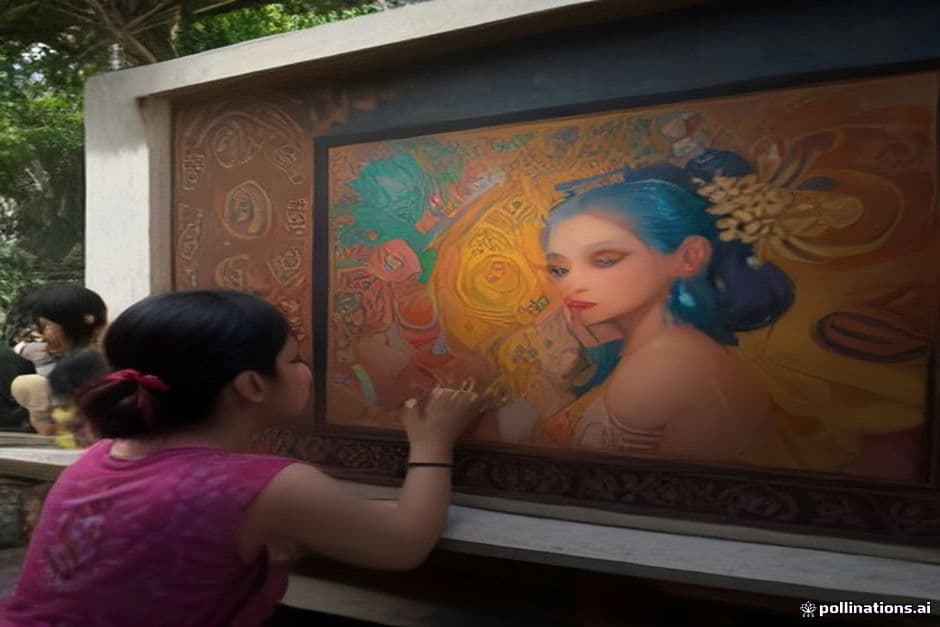
Unveiling Bali's Art Scene: A New Chapter in Cultural Tourism
Bali's art scene is experiencing a transformative revival, attracting tourists and art enthusiasts alike. This cultural renaissance is reshaping visitor experiences and bolstering the local economy through innovative art initiatives and exhibitions.
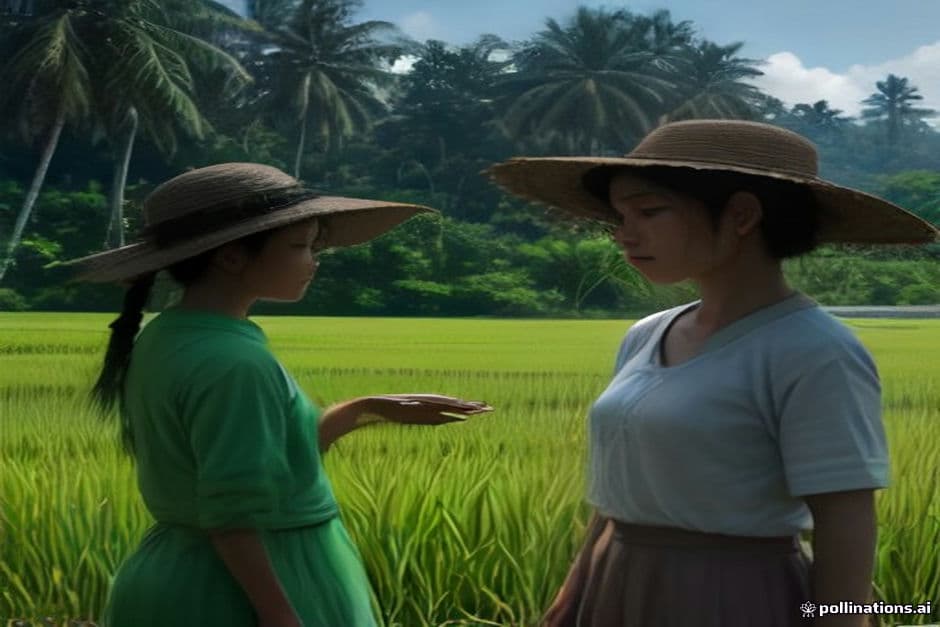
Local Farmers Rally for Support Amid Bali's Agricultural Policy Shift
As Bali's provincial government implements new agricultural policies, local farmers express concerns over their livelihoods. The shift aims to modernize practices but raises questions about sustainability and community impact.

Canggu Residents Alarmed by Rising Incidents of Coastal Erosion
As Canggu's picturesque coastline faces increasing erosion, local residents and businesses express urgent concerns. The ongoing erosion threatens homes, livelihoods, and the area's renowned tourism appeal.
Community-Led Initiatives Foster Urban Infrastructure Growth in Denpasar
Residents of Denpasar are taking the lead in improving urban infrastructure through collaborative projects. Local government support amplifies these initiatives, aiming to enhance the city's livability amidst rapid urbanization.
Bali's New Career Hub: Empowering Local Job Seekers with Innovative Training
Bali's job seekers are gaining new opportunities through a strategic partnership between local businesses and vocational training centers. This initiative aims to equip the workforce with essential skills to meet the demands of a rapidly changing job market.
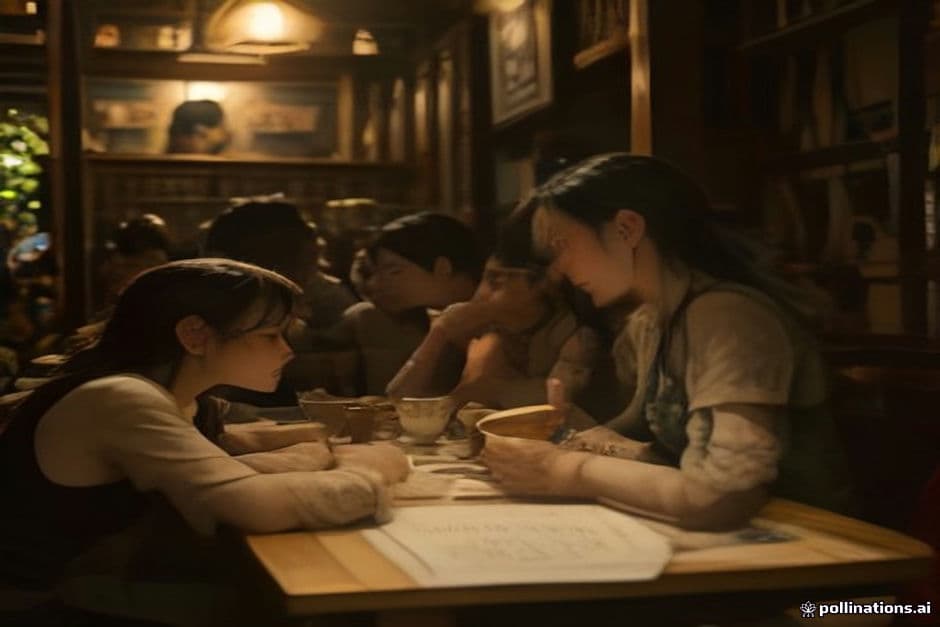
Cafes and Culture: The Role of Community Spaces in Bali's Recovery
As Bali emerges from the pandemic, community cafes are becoming vital hubs for cultural exchange and economic revitalization. These spaces are not only serving coffee but also fostering a sense of belonging and collaboration among locals and visitors alike.
Comments (0)
No comments yet. Be the first!