Transforming Experiences: Bali's Rise as a Cultural and Culinary Destination
Bali is evolving as a unique cultural and culinary destination, attracting tourists with immersive experiences. This shift is reshaping the tourism landscape as local communities showcase their heritage and culinary expertise.
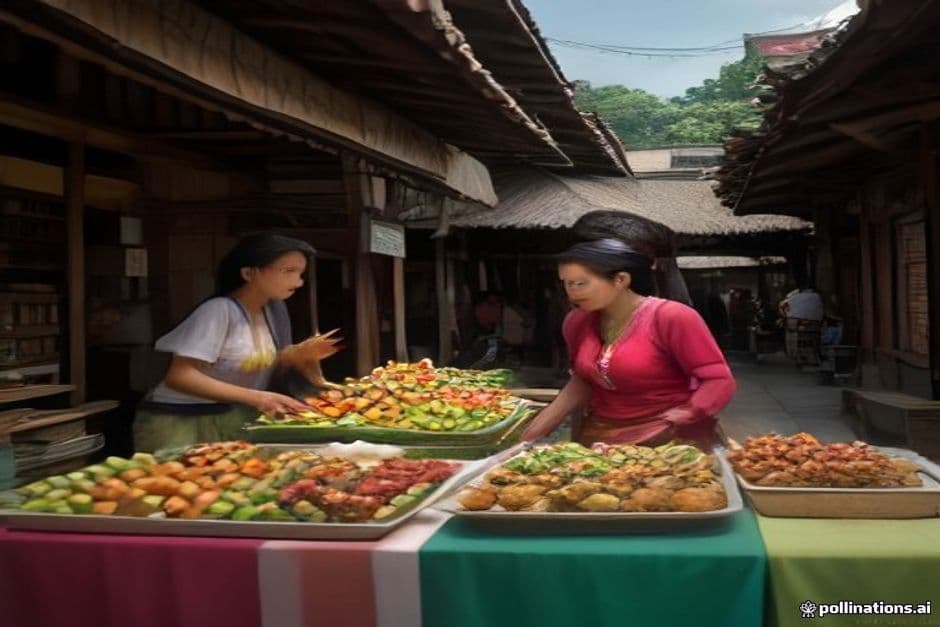
Bali is witnessing a significant transformation in its tourism landscape as the island increasingly positions itself as a cultural and culinary destination. This evolution comes amid a growing demand for authentic experiences, where visitors seek to engage directly with local traditions and gastronomy that reflect the rich heritage of the island.
Recent trends indicate a rising interest among tourists for immersive cultural experiences, which has prompted local communities to take the lead in showcasing their heritage. This shift aligns with global tourism trends that emphasize experiential travel, where visitors prioritize connection and understanding over mere sightseeing.
One of the most notable initiatives is the rise of culinary tours that celebrate Bali's diverse food culture. The Bali Culinary Foundation has been instrumental in promoting local ingredients and traditional cooking methods, offering tourists the chance to participate in cooking classes and farm-to-table experiences. For instance, the Ubud Food Festival, which showcases local chefs and their culinary creations, has become a highlight for food enthusiasts, drawing crowds from around the world.
In addition to culinary experiences, cultural festivals are gaining traction as a means to engage visitors. Events such as the Bali Arts Festival and the Kuta Beach Festival provide platforms for local artists and performers to showcase their talent, while also inviting tourists to participate in workshops and interactive sessions. These festivals not only enrich the visitor experience but also contribute significantly to the local economy by supporting artisans and cultural practitioners.

Local villages are also embracing this trend by creating community-based tourism initiatives. For example, the village of Penglipuran has developed guided tours that allow visitors to explore traditional Balinese life, including visits to local homes, temples, and ceremonial practices. Such initiatives not only enhance the visitor experience but also empower local communities by providing them with a sustainable source of income.
As Bali continues to diversify its tourism offerings, the integration of cultural and culinary experiences is proving to be a significant driver of growth. The Head of the Bali Tourism Board, I Putu Astawa, emphasized the importance of this approach, stating that "Bali must leverage its rich cultural heritage to create unique experiences that resonate with today’s travelers." This sentiment reflects a broader recognition of the need to adapt to changing visitor preferences.
The impact of these initiatives is already becoming evident. Reports indicate a noticeable increase in tourist visits to rural areas, which were previously overlooked in favor of more popular destinations like Kuta and Seminyak. This influx not only benefits local economies but also helps preserve Bali's cultural heritage by fostering a greater appreciation for traditional practices.

However, the rise in cultural and culinary tourism is not without its challenges. As more tourists flock to rural areas and engage with local communities, there is an increasing concern about the potential for cultural commodification. Local leaders are aware of the fine balance needed to maintain authenticity while catering to tourist interests. Therefore, it is crucial for stakeholders to collaborate and establish guidelines that protect cultural integrity.
Looking ahead, Bali's tourism industry is poised for further growth as it embraces its identity as a cultural and culinary hub. With the increasing global trend towards sustainable and responsible travel, Bali's focus on authentic experiences is likely to attract a new wave of visitors who prioritize meaningful interactions over traditional luxury. As the island continues to adapt and innovate, it is essential that local communities remain at the forefront of this transformation, ensuring that the benefits of tourism are shared equitably.
In conclusion, Bali's evolution into a center for cultural and culinary tourism marks a significant step toward sustainable tourism practices. By embracing its rich heritage and culinary diversity, the island not only enhances the visitor experience but also empowers local communities, ensuring that Bali remains a vibrant destination for generations to come.



Read Also from Other Categories

Local Farmers Rally for Support Amid Bali's Agricultural Policy Shift
As Bali's provincial government implements new agricultural policies, local farmers express concerns over their livelihoods. The shift aims to modernize practices but raises questions about sustainability and community impact.

Investors Shift Focus to Bali's Innovative Aquaculture Ventures in 2023
Bali's aquaculture sector has seen a remarkable 35% increase in investment this year, attracting both local and international funding. The surge is driven by a growing demand for sustainable seafood and innovative farming techniques.

Canggu Residents Alarmed by Rising Incidents of Coastal Erosion
As Canggu's picturesque coastline faces increasing erosion, local residents and businesses express urgent concerns. The ongoing erosion threatens homes, livelihoods, and the area's renowned tourism appeal.
Community-Led Initiatives Foster Urban Infrastructure Growth in Denpasar
Residents of Denpasar are taking the lead in improving urban infrastructure through collaborative projects. Local government support amplifies these initiatives, aiming to enhance the city's livability amidst rapid urbanization.
Bali's New Career Hub: Empowering Local Job Seekers with Innovative Training
Bali's job seekers are gaining new opportunities through a strategic partnership between local businesses and vocational training centers. This initiative aims to equip the workforce with essential skills to meet the demands of a rapidly changing job market.

Cafes and Culture: The Role of Community Spaces in Bali's Recovery
As Bali emerges from the pandemic, community cafes are becoming vital hubs for cultural exchange and economic revitalization. These spaces are not only serving coffee but also fostering a sense of belonging and collaboration among locals and visitors alike.
Comments (0)
No comments yet. Be the first!