Transformative Investments Reshape Bali's Logistics and Supply Chain Sector
As Bali's economy diversifies, significant investments are pouring into the logistics and supply chain sector. This shift aims to enhance efficiency and meet the growing demands of both local and international markets.
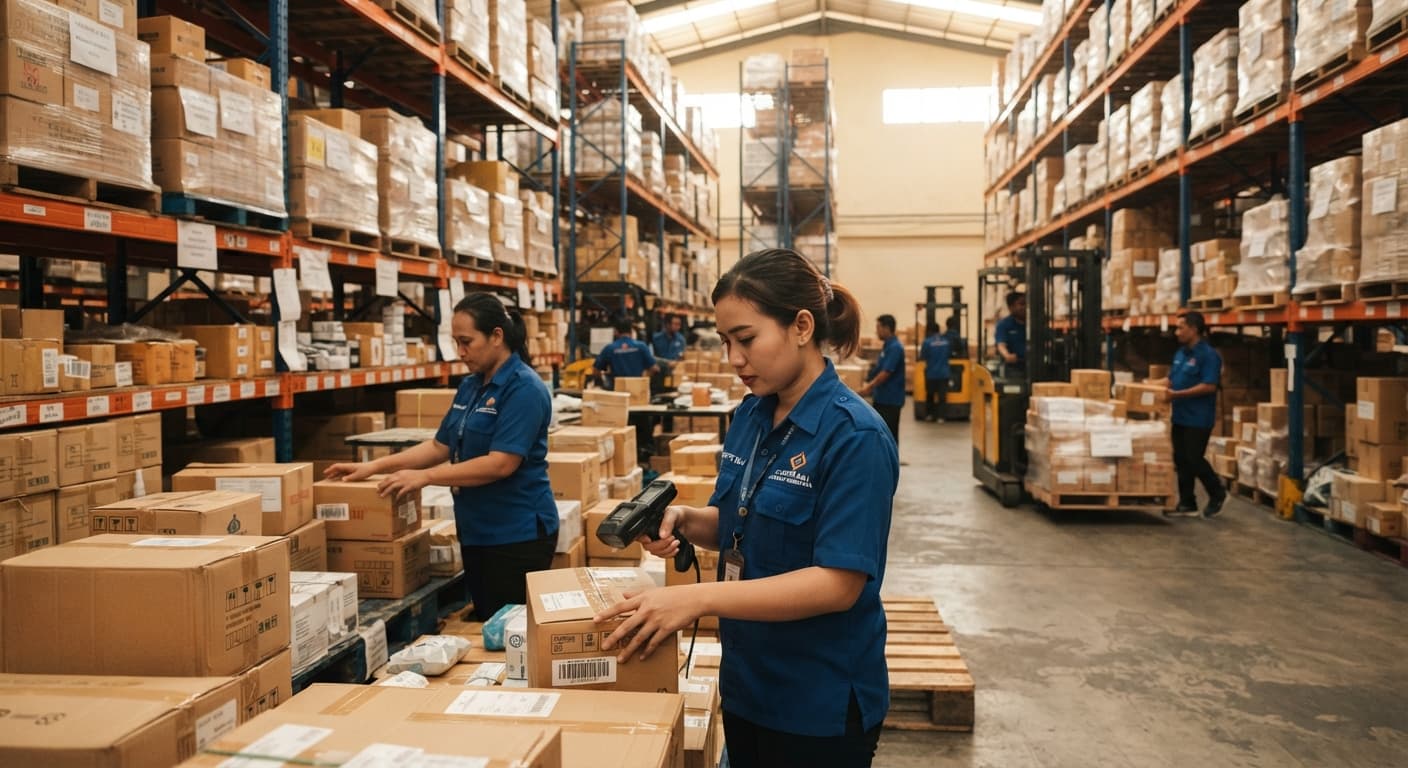
In a bustling warehouse nestled in the heart of Denpasar, the air is thick with the scent of freshly packaged goods and the sound of forklifts humming as they navigate through aisles piled high with merchandise. Workers in blue uniforms meticulously scan barcodes and organize items while the overhead lights flicker softly, illuminating a scene that encapsulates a pivotal moment in Bali's economic landscape. This is not just any ordinary warehouse; it represents a new wave of investment in Bali's logistics and supply chain sector, which is witnessing unprecedented growth.
Recent statistics indicate that the logistics market in Indonesia, including Bali, is projected to reach USD 25 billion by 2025, driven by the rapid expansion of e-commerce and increasing consumer demand. With Bali emerging as a strategic hub for both tourism and commerce, investors are keenly aware of the need for robust logistics solutions that can support the island's unique challenges.
One of the key players in this transformation is PT Bali Logistics, which recently secured a funding round of IDR 100 billion from several venture capital firms. The company aims to leverage this capital to enhance its warehousing capabilities and invest in advanced technologies such as AI-driven inventory management systems. CEO Andi Pramono stated, “Our goal is to streamline operations and ensure that businesses on the island can efficiently meet the demands of their customers, both locally and globally.”
As investments flow into this sector, the implications for Bali's economic development are profound. The logistics and supply chain industry is not just about transporting goods; it is intricately linked to the growth of other sectors, including agriculture, manufacturing, and tourism. For instance, improved logistics can facilitate faster delivery of agricultural produce from Bali's farms to markets, reducing spoilage and enhancing the income of local farmers.

Moreover, with Bali's thriving tourism industry, efficient logistics are crucial for the timely delivery of supplies to hotels and restaurants that cater to millions of visitors each year. The recent influx of capital into logistics is viewed as a strategic move to bolster the entire ecosystem that supports Bali's economy.
In addition to local startups, international companies are also eyeing Bali as a potential market. Global logistics giant DHL recently announced plans to establish a regional hub in Bali, citing the island's strategic location as a gateway to Southeast Asia. This move is expected to create hundreds of jobs and further stimulate competition within the sector, leading to better services and prices for businesses.
However, the rapid growth of the logistics sector does not come without challenges. Infrastructure remains a pressing issue, with many roads in Bali still needing upgrades to handle increased traffic from logistics operations. The local government has acknowledged this challenge and is actively seeking foreign investments to improve transportation networks.

Furthermore, sustainability is becoming an essential consideration as more companies enter the logistics arena. The focus on eco-friendly practices is gaining traction, with several firms exploring electric vehicles and other green technologies to reduce their carbon footprint. As Andi Pramono points out, “We want to build a logistics network that not only meets the demands of today but is also sustainable for future generations.”
As Bali's logistics and supply chain sector evolves, it represents a microcosm of the broader economic changes taking place on the island. The influx of investments is a testament to the confidence that stakeholders have in Bali's potential to become a regional logistics hub. With a growing emphasis on innovation and sustainability, the future of Bali's economy looks increasingly promising.
Looking ahead, the question remains: how will these investments shape the island's identity in the coming years? As Bali navigates this transformative phase, one thing is clear: the logistics sector will play a crucial role in enhancing the island's competitiveness on the global stage.



Read Also from Other Categories

Unveiling Bali's Art Scene: A New Chapter in Cultural Tourism
Bali's art scene is experiencing a transformative revival, attracting tourists and art enthusiasts alike. This cultural renaissance is reshaping visitor experiences and bolstering the local economy through innovative art initiatives and exhibitions.

Local Farmers Rally for Support Amid Bali's Agricultural Policy Shift
As Bali's provincial government implements new agricultural policies, local farmers express concerns over their livelihoods. The shift aims to modernize practices but raises questions about sustainability and community impact.

Canggu Residents Alarmed by Rising Incidents of Coastal Erosion
As Canggu's picturesque coastline faces increasing erosion, local residents and businesses express urgent concerns. The ongoing erosion threatens homes, livelihoods, and the area's renowned tourism appeal.

Community-Led Initiatives Foster Urban Infrastructure Growth in Denpasar
Residents of Denpasar are taking the lead in improving urban infrastructure through collaborative projects. Local government support amplifies these initiatives, aiming to enhance the city's livability amidst rapid urbanization.
Bali's New Career Hub: Empowering Local Job Seekers with Innovative Training
Bali's job seekers are gaining new opportunities through a strategic partnership between local businesses and vocational training centers. This initiative aims to equip the workforce with essential skills to meet the demands of a rapidly changing job market.

Cafes and Culture: The Role of Community Spaces in Bali's Recovery
As Bali emerges from the pandemic, community cafes are becoming vital hubs for cultural exchange and economic revitalization. These spaces are not only serving coffee but also fostering a sense of belonging and collaboration among locals and visitors alike.
Comments (0)
No comments yet. Be the first!