Traditional Community in Ubud Revitalizes Subak for Sustainable Tourism
Banjar Adat Tegallalang in Ubud has launched an educational tourism program that introduces the traditional subak irrigation system to tourists, with local farmers serving as guides to explain the Tri Hita Karana philosophy. The initiative aims to preserve traditional agricultural culture while providing additional income for the community.
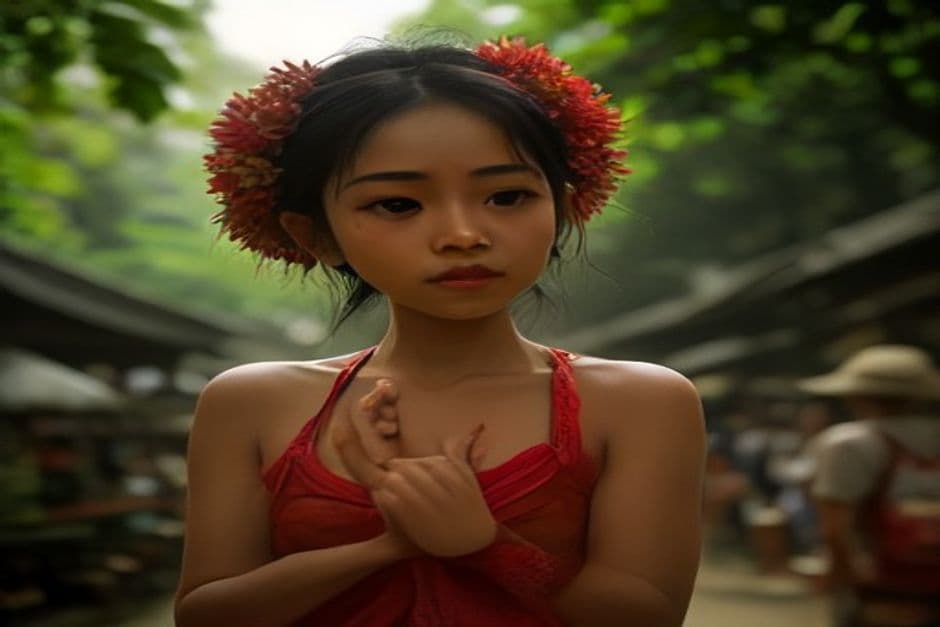
In the lush hills of Ubud, where emerald rice terraces cascade down valleys, a quiet revolution is taking root. Banjar Adat Tegallalang, a traditional community, has launched an educational tourism program designed to introduce visitors to the ancient subak irrigation system, a UNESCO-recognized cultural heritage that has sustained Balinese agriculture for over a thousand years.
The program, which began earlier this month, transforms the iconic terraced fields of Tegallalang into an open-air classroom. Local farmers, who have tended these lands for generations, now double as guides, leading tourists along narrow irrigation channels and explaining the intricate water-sharing philosophy that underpins the subak system.
"We want to show the world that our subak is not just a pretty picture for Instagram," said I Wayan Sudarma, a 54-year-old farmer and one of the program's lead guides. "Every stone, every channel, every drop of water has a purpose and a meaning. When tourists understand that, they respect our culture more deeply."
The initiative is rooted in the Balinese concept of Tri Hita Karana, which emphasizes harmony between humans, nature, and the spiritual realm. Farmers explain how the subak system, managed democratically by a water temple network, distributes water equitably among rice paddies, ensuring both agricultural productivity and environmental sustainability.
"The subak is our living heritage," said Ni Ketut Sari, a village elder and rice farmer who participates in the program. "By sharing it with visitors, we keep it alive. We are not just preserving the past; we are securing our future."
The program is part of a broader trend in Bali toward sustainable tourism, as the island grapples with the pressures of mass tourism. According to the Bali Provincial Tourism Office, visitor arrivals reached 6.3 million in 2023, a significant rebound from the pandemic years. While tourism drives the economy, it has also strained resources and threatened cultural traditions.
Local authorities have welcomed the initiative as a model for community-based tourism. "This is exactly the kind of tourism we want to promote," said Made Ariana, head of the Ubud Tourism Office. "It is educational, respectful, and economically beneficial to the local community. We hope other villages will follow this example."
The program also addresses a pressing concern: the decline of young people entering farming. According to the Indonesian Central Bureau of Statistics, the average age of farmers in Bali is over 45, and many young Balinese prefer jobs in the tourism industry. By providing additional income, the program makes farming more attractive.
"I used to think farming was only for old people," said Gede Putra, a 23-year-old who recently joined the program as a guide. "But now I see it's a way to honor my ancestors and also earn a decent living. I'm proud to explain our traditions to visitors."
The program costs 150,000 Indonesian rupiah (approximately $10) per visitor, with proceeds split among participating farmers and a community fund for subak maintenance. Since its launch, the program has attracted over 200 visitors, including tourists from Europe, Australia, and East Asia.
Visitors are guided through the terraces at sunrise, when the morning mist still clings to the rice paddies. They learn about the traditional rice varieties, the use of organic fertilizers, and the role of the water temples in regulating irrigation. The tour concludes with a traditional offering ceremony, where visitors can participate in a simple ritual.
"It was an eye-opening experience," said Sarah Thompson, a tourist from the United Kingdom. "I had seen photos of the terraces, but I never understood the complexity behind them. Now I feel a deeper connection to this place and its people."
The community plans to expand the program in the coming months, adding more guides and developing a small museum dedicated to subak history. They are also working with local universities to document the traditional knowledge associated with the irrigation system.
As Bali continues to navigate the delicate balance between tourism and tradition, initiatives like the one in Tegallalang offer a hopeful path forward. By turning the subak into a source of both cultural pride and economic resilience, the community is ensuring that its ancient practices endure for generations to come.
"We are not selling our culture," said Sudarma, the farmer-guide. "We are sharing it. And in sharing, we preserve."

Read Also from Other Categories

Emerging Trends in Bali's Adventure Tourism: Thrilling New Experiences Await
Bali's adventure tourism sector is rapidly evolving, offering visitors thrilling experiences that go beyond traditional attractions. From canyoning in Ubud to zip-lining in Gianyar, the island is becoming a hub for adrenaline seekers and nature enthusiasts alike.
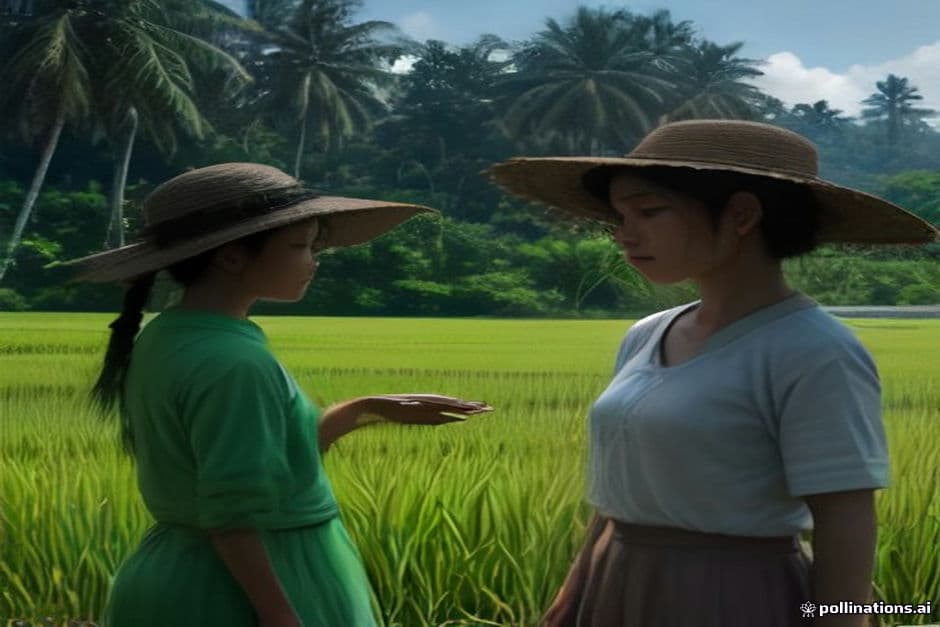
Local Farmers Rally for Support Amid Bali's Agricultural Policy Shift
As Bali's provincial government implements new agricultural policies, local farmers express concerns over their livelihoods. The shift aims to modernize practices but raises questions about sustainability and community impact.

Investors Shift Focus to Bali's Innovative Aquaculture Ventures in 2023
Bali's aquaculture sector has seen a remarkable 35% increase in investment this year, attracting both local and international funding. The surge is driven by a growing demand for sustainable seafood and innovative farming techniques.

Canggu Residents Alarmed by Rising Incidents of Coastal Erosion
As Canggu's picturesque coastline faces increasing erosion, local residents and businesses express urgent concerns. The ongoing erosion threatens homes, livelihoods, and the area's renowned tourism appeal.
Bali's New Career Hub: Empowering Local Job Seekers with Innovative Training
Bali's job seekers are gaining new opportunities through a strategic partnership between local businesses and vocational training centers. This initiative aims to equip the workforce with essential skills to meet the demands of a rapidly changing job market.
Navigating Bali's Evolving Social Landscape: Challenges and Opportunities
As Bali grapples with increasing social disparities, experts urge a reevaluation of community policies. Understanding these shifts is crucial for fostering a more equitable future for all residents.
Comments (0)
No comments yet. Be the first!