Navigating Bali's Evolving Social Landscape: Challenges and Opportunities
As Bali grapples with increasing social disparities, experts urge a reevaluation of community policies. Understanding these shifts is crucial for fostering a more equitable future for all residents.
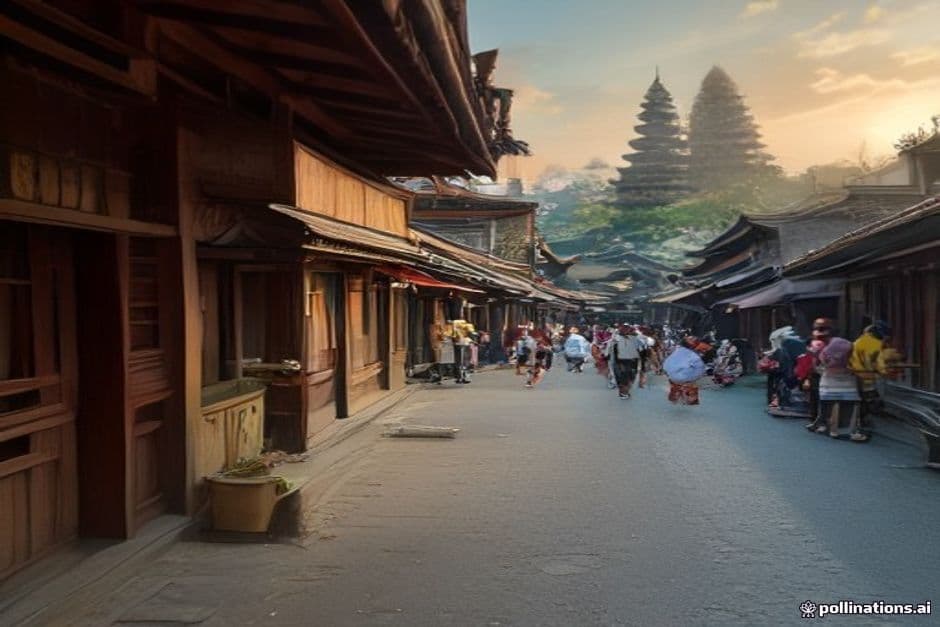
Recent studies reveal that Bali's social inequality has reached alarming levels, with a reported 25% of the island's population living below the poverty line as of 2023. This figure marks a stark increase from previous years, raising concerns among local leaders and community advocates about the sustainability of Bali's tourism-driven economy. The growing divide not only threatens the island's cultural fabric but also calls into question the effectiveness of current policies aimed at promoting social welfare.
According to the Bali Statistics Agency, the Gini coefficient, which measures income inequality, now stands at 0.39, indicating a rise from 0.35 in 2020. This increase highlights a widening gap between the wealthy elite and the struggling lower class, prompting urgent discussions about the distribution of wealth generated by the tourism sector. Local businesses, particularly in areas like Seminyak and Ubud, have flourished, yet the benefits have not trickled down to the broader community.
In an effort to address these disparities, the provincial government has initiated several programs aimed at uplifting low-income families. For instance, the recent “Bali Sejahtera” initiative allocates 15 billion rupiah ($1 million) towards community development projects, focusing on education, healthcare, and vocational training. However, critics argue that these measures are insufficient and fail to address the root causes of poverty, such as limited access to quality education and job opportunities in the digital economy.
Moreover, the influx of foreign investment, particularly in the real estate sector, has exacerbated the situation. Data from the Indonesian Investment Coordinating Board shows that foreign direct investment in Bali has surged by 30% in the last year, predominantly in luxury resorts and high-end villas. This trend has led to soaring property prices, making it increasingly difficult for local residents to afford housing. In areas like Canggu, where the digital nomad population continues to grow, long-term residents are feeling the pinch as rental prices soar by over 40% compared to two years ago.

The social impact of these economic shifts is profound. Local communities are witnessing a transformation of their cultural identity as traditional livelihoods are overshadowed by tourism-related businesses. Handicraft artisans in Sukawati, once thriving due to local markets, are now struggling to compete with imported goods sold in tourist shops. The challenge lies in balancing the preservation of cultural heritage with the demands of an ever-expanding tourism market.
Experts suggest that fostering a more inclusive approach to community development could mitigate the adverse effects of tourism on local populations. Dr. Nyoman Suryawan, a sociologist at Udayana University, advocates for policies that prioritize local engagement in tourism planning. He states, “The voice of the community is vital in shaping a sustainable tourism model that benefits everyone, not just a select few.” This perspective aligns with global trends emphasizing stakeholder involvement in tourism management.
In the face of these challenges, grassroots movements are emerging across the island. Initiatives like “Bali for All” aim to unite local voices in advocating for equitable policies. By organizing community forums and workshops, these movements seek to empower residents and ensure their needs are addressed in future development plans. As the island transitions towards a more inclusive model, the success of these initiatives will depend on collaboration between government entities, local communities, and the private sector.

Looking ahead, the need for comprehensive policy reform is evident. An integrated approach that combines economic growth with social equity is essential for Bali's long-term viability. The government must focus on creating pathways for job creation in sectors that benefit local residents, such as sustainable tourism and agriculture. Furthermore, investing in education and vocational training can equip the younger generation with skills needed in the evolving job market.
Ultimately, Bali stands at a crossroads. The decisions made today will shape the future of its social landscape, determining whether it becomes a beacon of inclusive growth or a model of disparity. With a concerted effort to address these pressing issues, there is still hope for a more equitable Bali, where the benefits of its thriving tourism industry are shared by all.



Read Also from Other Categories

Unveiling Bali's Art Scene: A New Chapter in Cultural Tourism
Bali's art scene is experiencing a transformative revival, attracting tourists and art enthusiasts alike. This cultural renaissance is reshaping visitor experiences and bolstering the local economy through innovative art initiatives and exhibitions.

Local Farmers Rally for Support Amid Bali's Agricultural Policy Shift
As Bali's provincial government implements new agricultural policies, local farmers express concerns over their livelihoods. The shift aims to modernize practices but raises questions about sustainability and community impact.

Investors Shift Focus to Bali's Innovative Aquaculture Ventures in 2023
Bali's aquaculture sector has seen a remarkable 35% increase in investment this year, attracting both local and international funding. The surge is driven by a growing demand for sustainable seafood and innovative farming techniques.

Canggu Residents Alarmed by Rising Incidents of Coastal Erosion
As Canggu's picturesque coastline faces increasing erosion, local residents and businesses express urgent concerns. The ongoing erosion threatens homes, livelihoods, and the area's renowned tourism appeal.

Community-Led Initiatives Foster Urban Infrastructure Growth in Denpasar
Residents of Denpasar are taking the lead in improving urban infrastructure through collaborative projects. Local government support amplifies these initiatives, aiming to enhance the city's livability amidst rapid urbanization.
Bali's New Career Hub: Empowering Local Job Seekers with Innovative Training
Bali's job seekers are gaining new opportunities through a strategic partnership between local businesses and vocational training centers. This initiative aims to equip the workforce with essential skills to meet the demands of a rapidly changing job market.
Comments (0)
No comments yet. Be the first!