Tourism Recovery: Bali's Cultural Attractions Draw Record Visitor Numbers
Bali's cultural attractions have seen a remarkable 30% increase in visitor numbers in 2026. This surge highlights a growing interest in the island's rich heritage and diverse experiences, reshaping the tourism landscape.
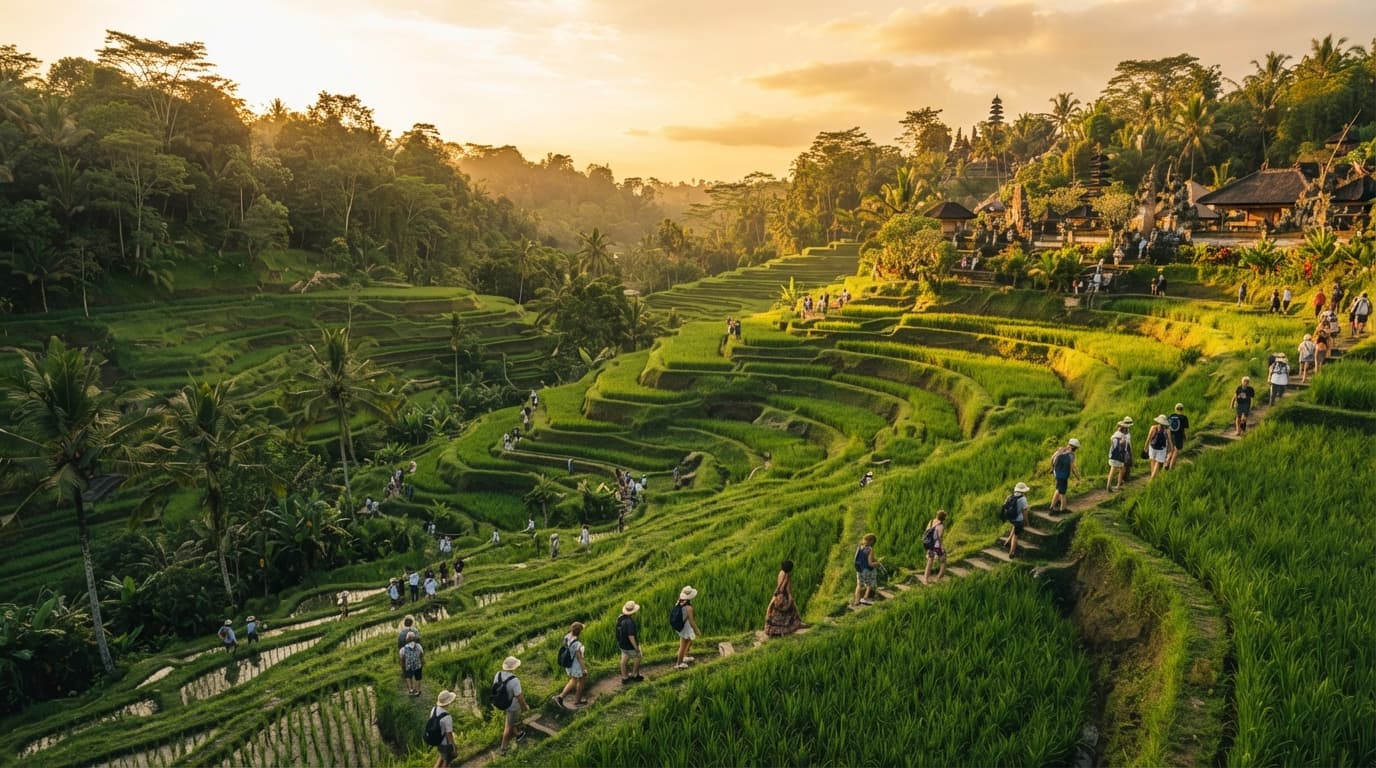
In 2026, Bali's cultural attractions have attracted a record 8 million visitors, marking a significant 30% increase compared to the previous year. This surge not only underscores the island's rich heritage but also highlights a growing global trend towards cultural tourism, reshaping the visitor experience in Bali.
A recent report from the Bali Tourism Board revealed that key sites such as Ubud’s Sacred Monkey Forest Sanctuary and the Tegalalang Rice Terraces have become focal points for tourists seeking authentic experiences. Ubud, in particular, has seen a staggering 40% rise in foot traffic, driven by the island's emphasis on cultural immersion and community engagement.
Significantly, Bali's cultural festivals have played a pivotal role in this resurgence. Events like the Ubud Writers & Readers Festival and the Bali Arts Festival have become essential attractions, contributing to a 15% increase in average visitor spending during festival months. The Ubud Writers & Readers Festival alone saw over 10,000 participants in 2026, a record turnout that reflects the event's growing international appeal.
Moreover, the island's commitment to preserving and promoting its cultural heritage has been instrumental in attracting travelers. The Balinese government has invested approximately $1 million into the restoration of historical sites and the promotion of traditional arts. This investment not only ensures the longevity of these cultural treasures but also enriches the overall tourist experience.
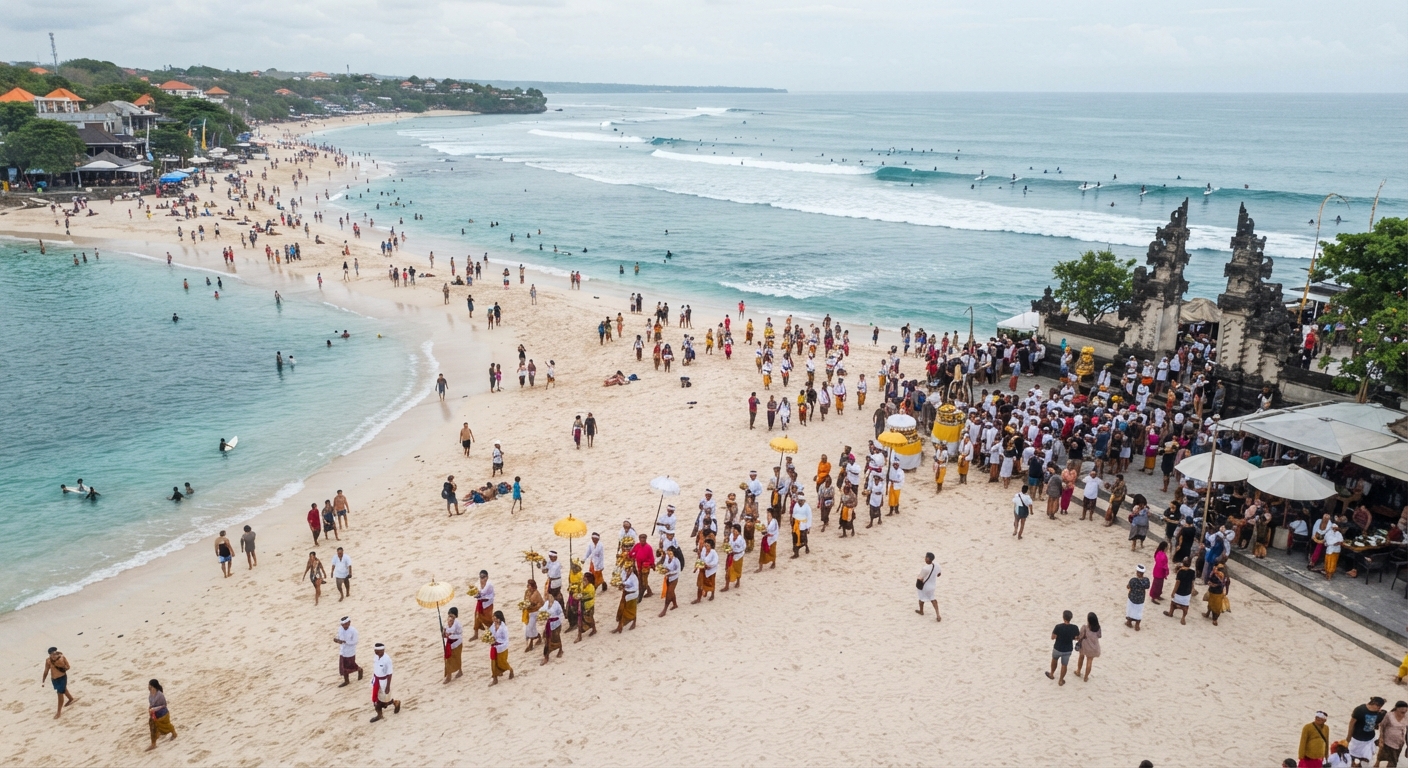
As part of this initiative, local artisans and craftsmen have been encouraged to showcase their work, with over 500 artisans participating in various exhibitions across the island. These events have not only provided a platform for local talent but have also enhanced visitor engagement, allowing tourists to interact with and learn from the artisans directly.
Comparatively, neighboring regions such as Lombok have seen only a modest 10% increase in tourist arrivals, highlighting Bali's unique position as a cultural powerhouse within Indonesia. This contrast emphasizes the effectiveness of Bali's targeted strategies in promoting cultural tourism against the backdrop of a competitive tourism market.
Additionally, the rise of eco-conscious travel has dovetailed with cultural tourism, as visitors increasingly seek experiences that align with sustainable practices. This trend is evident in the increasing popularity of eco-friendly accommodations that offer cultural experiences, such as traditional cooking classes and guided tours of local markets.

In light of these developments, the Bali Tourism Board is set to launch a new campaign aimed at further promoting the island's cultural heritage in 2027. This initiative will focus on enhancing the visibility of lesser-known cultural sites and festivals, aiming to distribute tourist traffic more evenly across the island and reduce congestion in heavily visited areas.
Looking ahead, the tourism sector is optimistic about sustaining this momentum. With ongoing investments in cultural preservation and community-driven tourism initiatives, Bali is poised to solidify its status as a premier destination for cultural travelers in the coming years.



Read Also from Other Categories

Local Farmers Rally for Support Amid Bali's Agricultural Policy Shift
As Bali's provincial government implements new agricultural policies, local farmers express concerns over their livelihoods. The shift aims to modernize practices but raises questions about sustainability and community impact.

Investors Shift Focus to Bali's Innovative Aquaculture Ventures in 2023
Bali's aquaculture sector has seen a remarkable 35% increase in investment this year, attracting both local and international funding. The surge is driven by a growing demand for sustainable seafood and innovative farming techniques.

Canggu Residents Alarmed by Rising Incidents of Coastal Erosion
As Canggu's picturesque coastline faces increasing erosion, local residents and businesses express urgent concerns. The ongoing erosion threatens homes, livelihoods, and the area's renowned tourism appeal.

Community-Led Initiatives Foster Urban Infrastructure Growth in Denpasar
Residents of Denpasar are taking the lead in improving urban infrastructure through collaborative projects. Local government support amplifies these initiatives, aiming to enhance the city's livability amidst rapid urbanization.
Bali's New Career Hub: Empowering Local Job Seekers with Innovative Training
Bali's job seekers are gaining new opportunities through a strategic partnership between local businesses and vocational training centers. This initiative aims to equip the workforce with essential skills to meet the demands of a rapidly changing job market.

Cafes and Culture: The Role of Community Spaces in Bali's Recovery
As Bali emerges from the pandemic, community cafes are becoming vital hubs for cultural exchange and economic revitalization. These spaces are not only serving coffee but also fostering a sense of belonging and collaboration among locals and visitors alike.
Comments (0)
No comments yet. Be the first!