Tourism Development in Bali Faces Scrutiny as Local Voices Emerge
Bali's tourism policies are increasingly challenged by local communities advocating for sustainable practices. With a 30% rise in tourism-related complaints, the provincial government must respond to growing concerns about environmental impact and cultural preservation.
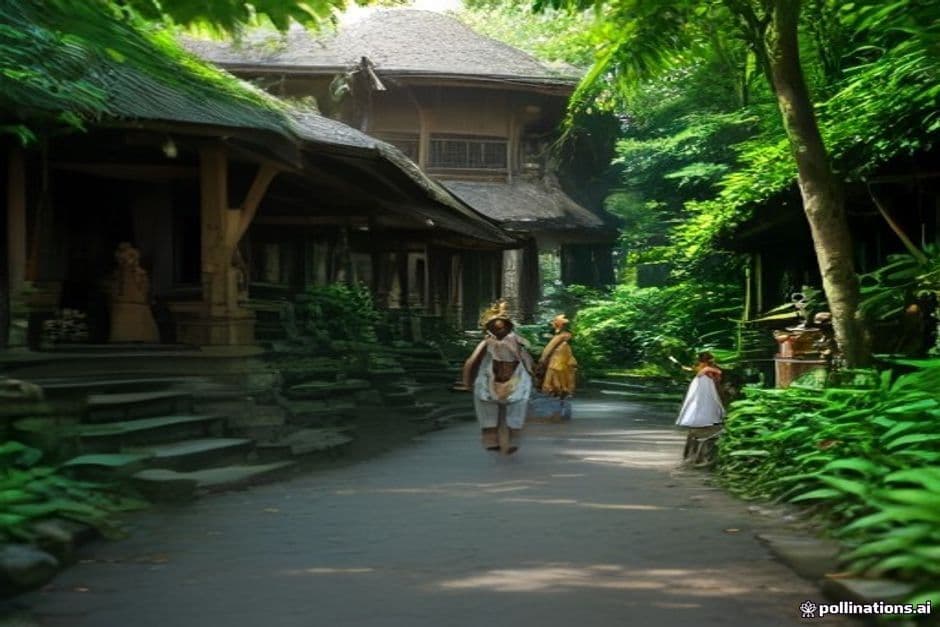
Bali's tourism sector, a linchpin of its economy, is now grappling with a significant shift in public sentiment as local communities voice their concerns regarding the sustainability of development policies. Recent statistics reveal a 30% increase in tourism-related complaints from residents, highlighting the growing tension between economic interests and environmental preservation.
The provincial government's ongoing push to enhance tourism infrastructure, including new hotels and attractions, has sparked fears among locals about the degradation of cultural heritage and natural landscapes. Residents from various regions, particularly Ubud and Canggu, have organized forums to discuss the implications of unchecked tourism development, urging authorities to consider the long-term impacts on their communities.
In response to this rising wave of dissent, Governor Wayan Koster has committed to revisiting existing policies. His administration plans to implement new regulations aimed at balancing tourism growth with the preservation of Bali's cultural and environmental integrity. This includes stricter guidelines on building permits for tourist facilities and increased support for eco-friendly initiatives.
The statistics underscore the urgency of this approach. In 2023, Bali welcomed over 6.5 million international tourists, a record high, yet the accompanying rise in complaints suggests that local satisfaction is declining. A recent survey indicated that 68% of Balinese residents feel that tourism has negatively impacted their quality of life, a stark contrast to the benefits touted by government officials.

Moreover, the environmental toll of tourism development is becoming increasingly evident. The Bali Environmental Agency reported that nearly 40% of coastal areas are at risk due to rising sea levels exacerbated by urban development. Local activists argue that without immediate action, the island's delicate ecosystems could be irreparably damaged.
As public outcry intensifies, local businesses are also beginning to adapt to this changing landscape. Many are shifting towards sustainable practices, with eco-lodges and organic restaurants gaining popularity among both tourists and residents. In Ubud, for example, the number of businesses focusing on sustainability has increased by 25% over the past year, reflecting a broader trend towards responsible tourism.
The Bali provincial government is also facing pressure from Jakarta to enhance its regulatory framework. Recent discussions in the Indonesian Parliament have emphasized the need for a cohesive national strategy that aligns with local needs while promoting sustainable tourism practices. This could lead to new legislation that empowers local governments to enforce more stringent environmental protections.

In light of these developments, the role of local communities in shaping tourism policy is becoming increasingly significant. Activist groups are advocating for greater representation in decision-making processes, pushing for a model that prioritizes local interests alongside economic growth. This shift could redefine the landscape of Bali's tourism sector, making it more inclusive and sustainable.
As Bali navigates these complex challenges, the provincial government is tasked with finding a delicate balance between economic development and community welfare. With the stakes higher than ever, it remains to be seen how effectively these new policies will address the concerns of the residents and the sustainability of the island's cherished environment.



Read Also from Other Categories

Unveiling Bali's Art Scene: A New Chapter in Cultural Tourism
Bali's art scene is experiencing a transformative revival, attracting tourists and art enthusiasts alike. This cultural renaissance is reshaping visitor experiences and bolstering the local economy through innovative art initiatives and exhibitions.

Investors Shift Focus to Bali's Innovative Aquaculture Ventures in 2023
Bali's aquaculture sector has seen a remarkable 35% increase in investment this year, attracting both local and international funding. The surge is driven by a growing demand for sustainable seafood and innovative farming techniques.

Canggu Residents Alarmed by Rising Incidents of Coastal Erosion
As Canggu's picturesque coastline faces increasing erosion, local residents and businesses express urgent concerns. The ongoing erosion threatens homes, livelihoods, and the area's renowned tourism appeal.

Community-Led Initiatives Foster Urban Infrastructure Growth in Denpasar
Residents of Denpasar are taking the lead in improving urban infrastructure through collaborative projects. Local government support amplifies these initiatives, aiming to enhance the city's livability amidst rapid urbanization.
Bali's New Career Hub: Empowering Local Job Seekers with Innovative Training
Bali's job seekers are gaining new opportunities through a strategic partnership between local businesses and vocational training centers. This initiative aims to equip the workforce with essential skills to meet the demands of a rapidly changing job market.

Cafes and Culture: The Role of Community Spaces in Bali's Recovery
As Bali emerges from the pandemic, community cafes are becoming vital hubs for cultural exchange and economic revitalization. These spaces are not only serving coffee but also fostering a sense of belonging and collaboration among locals and visitors alike.
Comments (0)
No comments yet. Be the first!