Surging Traffic Accidents in Bali Prompt Community Safety Initiatives
Bali's roads are becoming increasingly perilous as traffic accidents rise, prompting local communities and authorities to implement urgent safety measures. With a focus on education and infrastructure improvements, stakeholders aim to reverse this alarming trend.
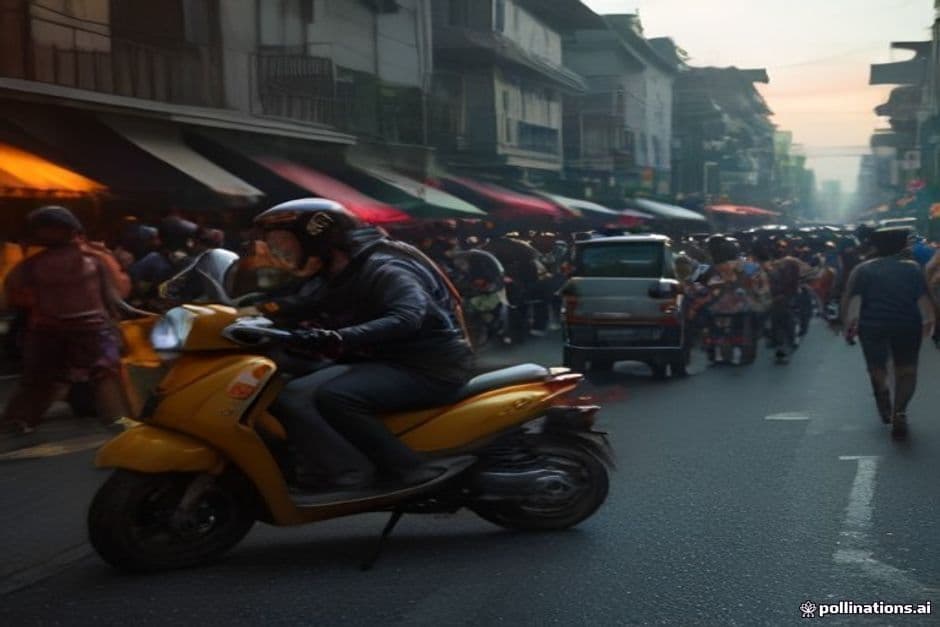
As the sun sets over the bustling streets of Kuta, a cacophony of honking horns and revving engines fills the air. Tourists and locals alike weave through the throngs, their attention split between the vibrant nightlife and the dangers lurking on the road. A recent spike in traffic accidents has cast a shadow over Bali's reputation as a paradise, prompting urgent calls for action from community leaders and local authorities.
In the first quarter of 2026 alone, Bali recorded a staggering 150 traffic accidents, a significant increase compared to the same period last year. Many of these incidents involved tourists unfamiliar with the island's chaotic roadways, leading to a growing concern among residents and officials alike. "We cannot ignore this trend any longer," says I Made Suardana, the head of Bali's Traffic Safety Board. "The safety of both our residents and visitors is paramount. We must take proactive measures to ensure everyone can enjoy Bali without fear of accidents."
Local communities in Canggu, Seminyak, and Ubud are stepping up to address the rising danger. In Canggu, where the number of accidents has nearly doubled, community leaders have initiated a campaign to educate both locals and tourists about safe driving practices. "We are organizing workshops and distributing flyers to raise awareness about the importance of road safety," explains Nyoman Putra, a community organizer. "It's essential that everyone understands the risks and knows how to navigate our roads safely."

In addition to educational initiatives, infrastructure improvements are also in the works. The Bali Transportation Department has unveiled plans to enhance road signage and install additional traffic lights in high-accident areas. "We are committed to making our roads safer for everyone," states the department's head, Wayan Gunadi. "By improving visibility and traffic flow, we can reduce the likelihood of accidents significantly."
Emergency services are feeling the strain from the uptick in incidents. Bali's hospitals have reported a rise in patients due to traffic-related injuries, putting pressure on already busy medical facilities. Dr. Ayu Kencana, an emergency room physician at Sanglah Hospital, emphasizes the urgent need for better road safety measures. "We see many tourists suffering from preventable injuries caused by reckless driving or lack of awareness. It's heartbreaking to see," she shares.
The government is also considering stricter regulations for motorbike rentals, a popular mode of transport among tourists. Currently, rental services are not mandated to provide safety gear such as helmets, leaving many riders vulnerable. "We are looking into implementing regulations that ensure all rental companies provide helmets and safety briefings for their customers," reveals a spokesperson for the Bali Tourism Ministry. "It's crucial for us to protect our visitors and reduce the number of accidents."

Despite the challenges, there is a sense of optimism among community leaders and residents. Initiatives focused on education and infrastructure improvements are beginning to take shape, and there’s a collective hope that these efforts will yield positive results. The vibrant streets of Kuta and Canggu, once filled with the sounds of chaos, could soon transform into safer thoroughfares where both locals and tourists can explore the island without fear.
As the sun sets on another day in Bali, the call for safety resonates louder than ever. With community initiatives, government support, and a commitment to change, there is hope that Bali can reclaim its status as a destination where safety and enjoyment go hand in hand.



Read Also from Other Categories

Unveiling Bali's Art Scene: A New Chapter in Cultural Tourism
Bali's art scene is experiencing a transformative revival, attracting tourists and art enthusiasts alike. This cultural renaissance is reshaping visitor experiences and bolstering the local economy through innovative art initiatives and exhibitions.

Local Farmers Rally for Support Amid Bali's Agricultural Policy Shift
As Bali's provincial government implements new agricultural policies, local farmers express concerns over their livelihoods. The shift aims to modernize practices but raises questions about sustainability and community impact.

Investors Shift Focus to Bali's Innovative Aquaculture Ventures in 2023
Bali's aquaculture sector has seen a remarkable 35% increase in investment this year, attracting both local and international funding. The surge is driven by a growing demand for sustainable seafood and innovative farming techniques.

Community-Led Initiatives Foster Urban Infrastructure Growth in Denpasar
Residents of Denpasar are taking the lead in improving urban infrastructure through collaborative projects. Local government support amplifies these initiatives, aiming to enhance the city's livability amidst rapid urbanization.
Bali's New Career Hub: Empowering Local Job Seekers with Innovative Training
Bali's job seekers are gaining new opportunities through a strategic partnership between local businesses and vocational training centers. This initiative aims to equip the workforce with essential skills to meet the demands of a rapidly changing job market.

Cafes and Culture: The Role of Community Spaces in Bali's Recovery
As Bali emerges from the pandemic, community cafes are becoming vital hubs for cultural exchange and economic revitalization. These spaces are not only serving coffee but also fostering a sense of belonging and collaboration among locals and visitors alike.
Comments (0)
No comments yet. Be the first!