Strengthening Bali's Resilience: Local Government's Cultural Revitalization Efforts
Bali's local government is launching initiatives aimed at preserving cultural heritage while enhancing community resilience. These programs focus on education, arts, and sustainable practices to foster a sense of identity and belonging among the island's diverse population.
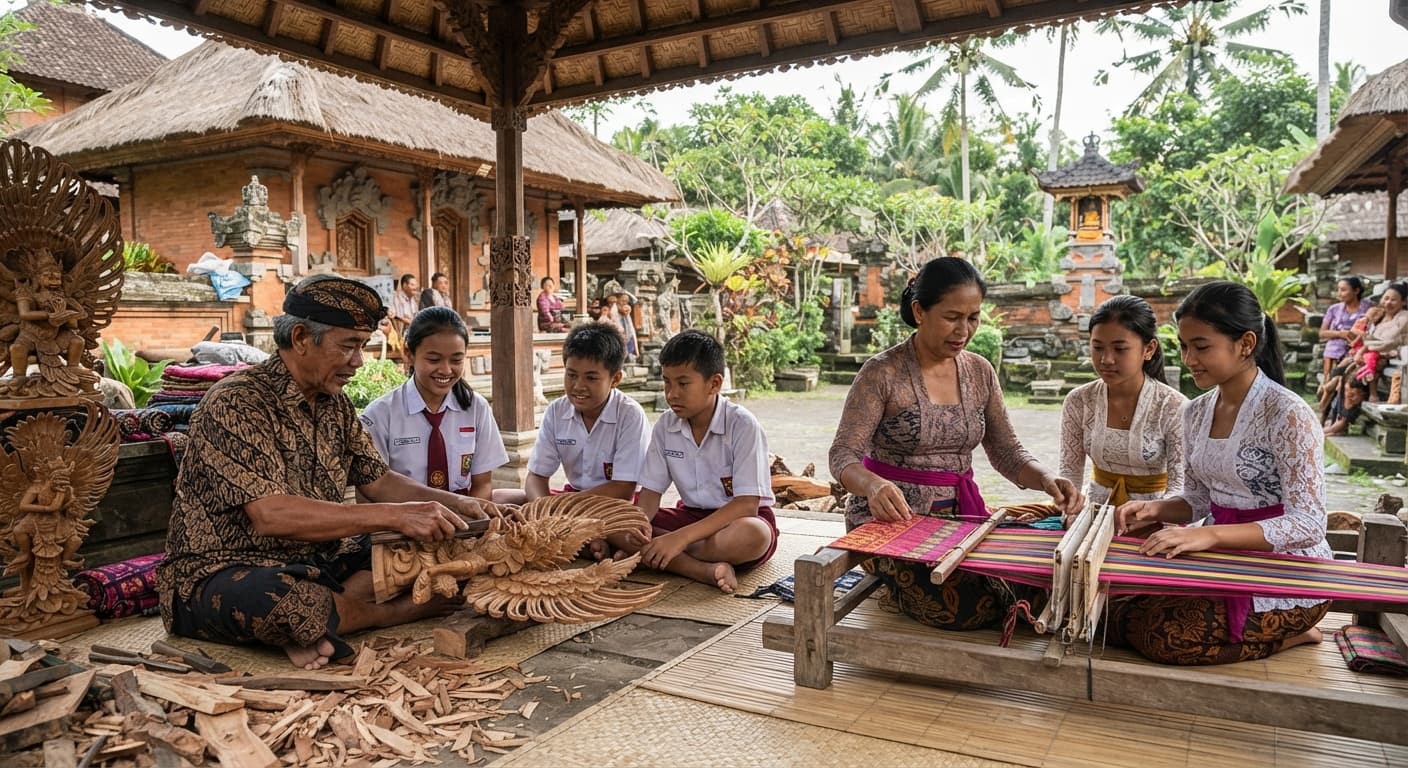
The local government of Bali is embarking on a series of initiatives designed to bolster cultural preservation while enhancing community resilience. In light of rapid modernization and tourism pressures, these programs aim to revitalize local traditions, educate the youth, and promote sustainable practices, ensuring that Bali's rich cultural tapestry remains intact for future generations.
In a recent announcement, the Bali Cultural Office outlined a comprehensive plan that includes the establishment of cultural workshops, educational programs in local schools, and partnerships with community organizations. The initiative is set to launch in early 2024 and will focus on several key areas: traditional arts, local languages, and the preservation of customs.
One of the flagship programs will be the introduction of after-school workshops in various districts, particularly targeting areas like Ubud and Seminyak, where cultural heritage is at risk of being overshadowed by commercial interests. These workshops will provide hands-on experiences in traditional crafts such as weaving, wood carving, and Balinese dance, taught by master artisans and cultural practitioners.
“Our goal is to create a platform where our youth can learn and appreciate their cultural roots,” said I Made Suardana, Head of the Bali Cultural Office. “By engaging the younger generation, we hope to instill a sense of pride and responsibility towards their heritage.”
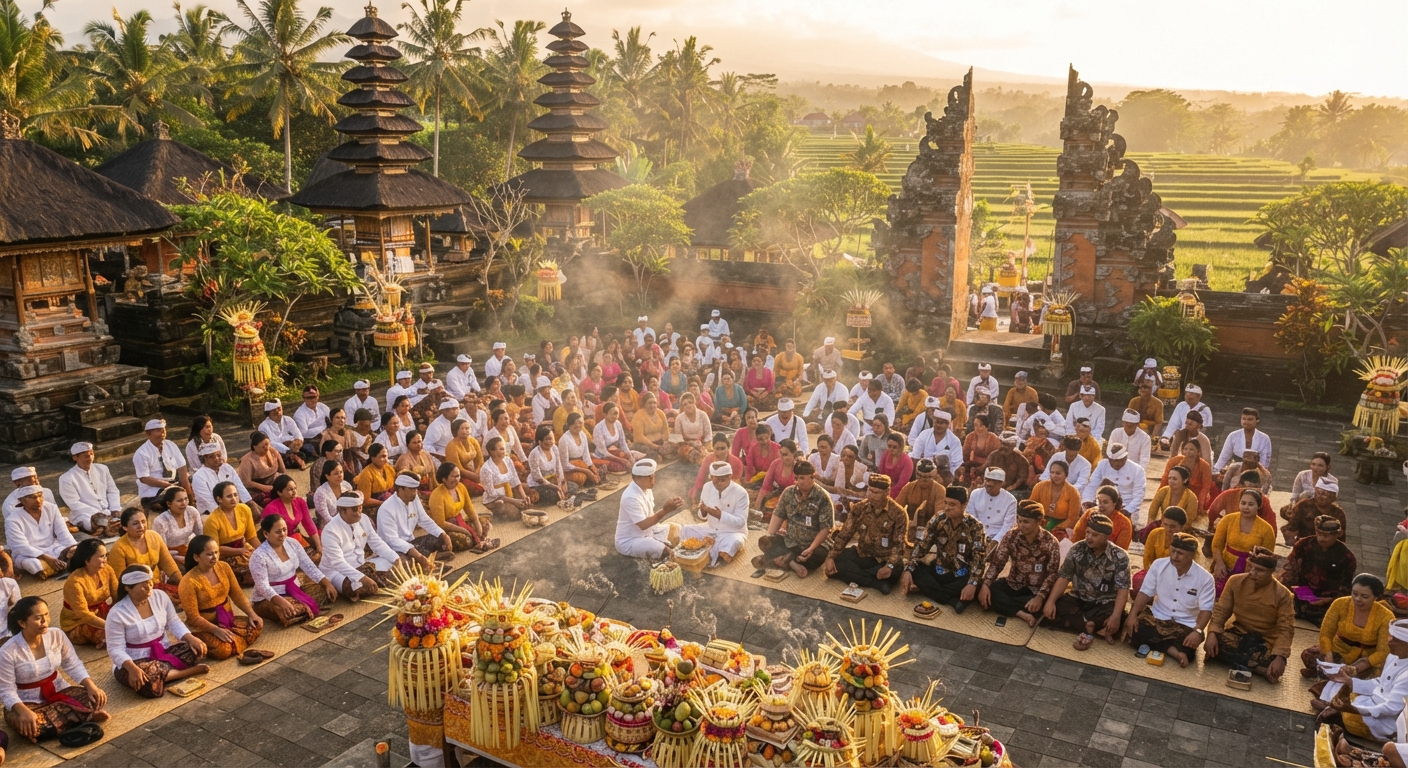
Moreover, the local government is collaborating with educational institutions to integrate Balinese cultural studies into the curriculum. Schools across the island will be equipped with resources to teach students about the island’s history, language, and traditions. This effort is crucial as studies have shown a decline in the use of the Balinese language among younger generations, which poses a threat to the island's identity.
In addition to educational initiatives, the government is also focusing on community events to celebrate and showcase local culture. Upcoming festivals will feature traditional performances, art exhibitions, and culinary showcases, creating opportunities for local artisans and performers to gain visibility and income. The Sanur Village Festival, for example, is expected to highlight local culinary traditions and crafts, drawing both residents and tourists.
Another critical aspect of this revitalization effort is the establishment of a Cultural Resilience Fund, which aims to provide financial support for local artists and cultural organizations. This fund will help sustain cultural practices that might otherwise disappear due to financial constraints, ensuring that traditional arts and crafts continue to thrive.
Furthermore, the government is implementing sustainable practices within these cultural initiatives. Workshops will emphasize eco-friendly materials and methods, aligning tradition with modern sustainability goals. For instance, artisans will be encouraged to use natural dyes and locally sourced materials, promoting environmental consciousness alongside cultural education.
Local community leaders have expressed strong support for these initiatives. Wayan Sudiartha, a village chief in Gianyar, noted, “This is a vital step in preserving our identity. Our culture is not just a commodity for tourists; it is the essence of who we are.”
As Bali navigates the complexities of tourism and modernization, these cultural revitalization efforts serve as a reminder of the importance of heritage in forging a resilient community. By investing in education, supporting local artisans, and promoting sustainable practices, the local government aims to create a future where culture and community thrive side by side.
As these initiatives unfold, they will not only contribute to the cultural landscape of Bali but also foster a deeper connection among its people, empowering them to take pride in their heritage while embracing the future.



Read Also from Other Categories
Unveiling Bali's Art Scene: A New Chapter in Cultural Tourism
Bali's art scene is experiencing a transformative revival, attracting tourists and art enthusiasts alike. This cultural renaissance is reshaping visitor experiences and bolstering the local economy through innovative art initiatives and exhibitions.
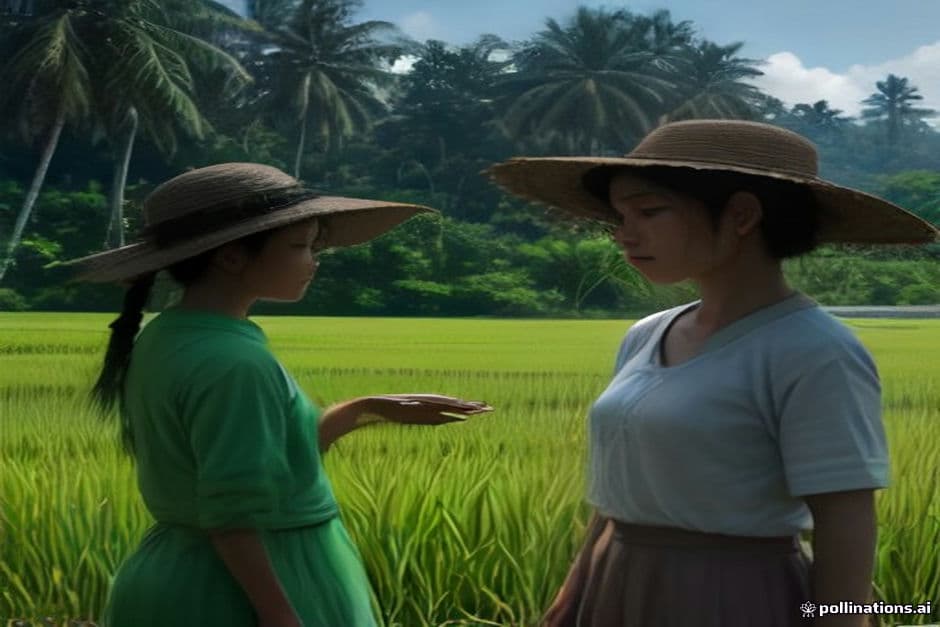
Local Farmers Rally for Support Amid Bali's Agricultural Policy Shift
As Bali's provincial government implements new agricultural policies, local farmers express concerns over their livelihoods. The shift aims to modernize practices but raises questions about sustainability and community impact.

Investors Shift Focus to Bali's Innovative Aquaculture Ventures in 2023
Bali's aquaculture sector has seen a remarkable 35% increase in investment this year, attracting both local and international funding. The surge is driven by a growing demand for sustainable seafood and innovative farming techniques.

Canggu Residents Alarmed by Rising Incidents of Coastal Erosion
As Canggu's picturesque coastline faces increasing erosion, local residents and businesses express urgent concerns. The ongoing erosion threatens homes, livelihoods, and the area's renowned tourism appeal.
Bali's New Career Hub: Empowering Local Job Seekers with Innovative Training
Bali's job seekers are gaining new opportunities through a strategic partnership between local businesses and vocational training centers. This initiative aims to equip the workforce with essential skills to meet the demands of a rapidly changing job market.
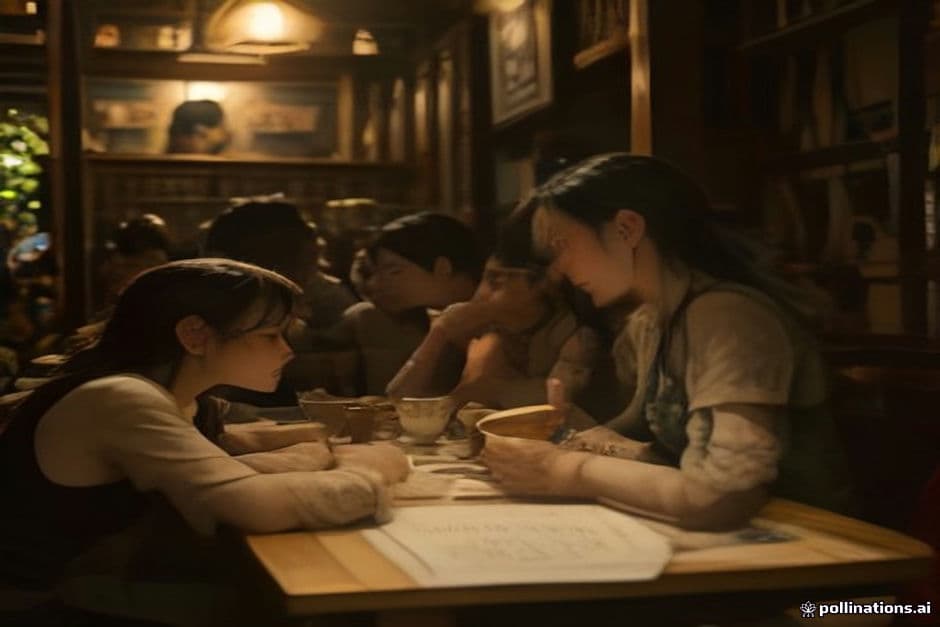
Cafes and Culture: The Role of Community Spaces in Bali's Recovery
As Bali emerges from the pandemic, community cafes are becoming vital hubs for cultural exchange and economic revitalization. These spaces are not only serving coffee but also fostering a sense of belonging and collaboration among locals and visitors alike.
Comments (0)
No comments yet. Be the first!