Strategic Moves: Bali Government's New Focus on Renewable Energy Initiatives
As Bali faces increasing energy demands, the provincial government is launching new initiatives aimed at boosting renewable energy sources. This shift not only addresses environmental concerns but also aims to attract green investments to the island.
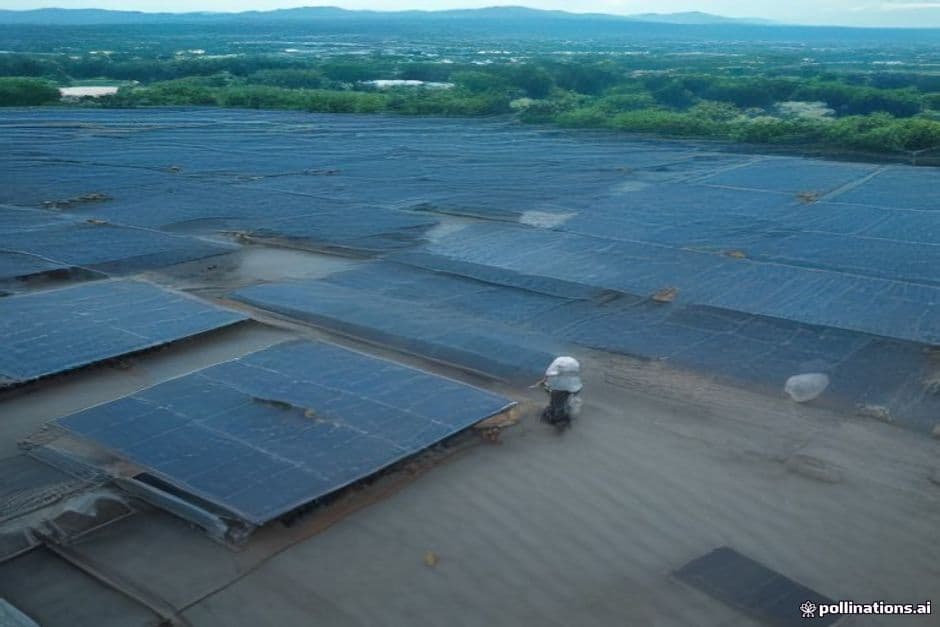
In the heart of Denpasar, the hum of construction and the smell of fresh paint fill the air as workers hustle to complete the new Renewable Energy Center. This site, a hub for innovative energy solutions, represents the Bali provincial government's commitment to transforming the island's energy landscape. Governor Wayan Koster stands at the forefront of this movement, passionately advocating for a future where Bali relies less on fossil fuels and embraces sustainable practices.
Governor Koster recently announced a comprehensive plan to transition Bali towards renewable energy, aiming to reduce dependency on conventional energy sources by 30% over the next five years. He emphasized the importance of this initiative during a press conference, stating, "It is crucial for us to invest in renewable energy not only for our environment but also for the sustainability of our economy. We are inviting investors to join us in this green revolution." The center in Denpasar is set to be the first of many projects designed to harness solar, wind, and bioenergy resources across the island.
The provincial government has highlighted several key projects, including solar farms in the northern regions and wind turbine installations along the southern coast. The solar farms, particularly in areas like Buleleng and Karangasem, are expected to provide a significant portion of the island's electricity needs, harnessing Bali's abundant sunlight. Meanwhile, the wind turbines, strategically positioned in coastal areas, will capitalize on the strong winds that sweep through the island.
As part of this initiative, the government is also rolling out educational programs aimed at teaching local communities about the benefits of renewable energy. Workshops will be held in schools and community centers, where residents can learn about energy conservation and the importance of sustainable practices. These efforts are designed to foster a culture of environmental awareness and responsibility among Bali's citizens.

The push for renewable energy comes at a pivotal time as Bali grapples with the challenges of increased tourism and population growth. The island has seen a surge in energy consumption, particularly in areas like Seminyak and Canggu, where new hotels and restaurants continue to spring up. This rapid development has put immense pressure on Bali's existing energy infrastructure, prompting the government to seek innovative solutions.
In addition to addressing energy demands, the new policies aim to attract foreign investment into Bali's renewable energy sector. By offering incentives such as tax breaks and simplified permitting processes, the government hopes to entice companies to establish energy projects on the island. The initiative is expected to create jobs, boost the local economy, and position Bali as a leader in sustainable tourism.
Critics, however, express concerns about the potential environmental impacts of large-scale renewable energy projects. Environmental activists argue that careful planning and assessments are vital to ensure that the development does not harm Bali's unique ecosystems. They call for transparency in the decision-making process and for the government to prioritize the preservation of the island's natural beauty.
Governor Koster has acknowledged these concerns, assuring the public that all projects will undergo rigorous environmental assessments. He stressed the importance of balancing development with conservation, stating, "We must protect our environment while also paving the way for a sustainable future. It is a delicate balance, but one that we are committed to achieving." This commitment is reflected in the government’s plans to implement strict regulations on land use for renewable energy projects.
The provincial government's focus on renewable energy is also aligned with Indonesia's national goals of achieving a 23% share of renewable energy in the national energy mix by 2025. Bali's commitment to this cause reinforces the island's role as a model for sustainable development within Indonesia and beyond.
As construction progresses at the Renewable Energy Center, the sounds of machinery and the buzz of innovation fill the air, signaling a new era for Bali's energy landscape. The government’s initiatives not only promise to reshape the island’s energy sector but also aim to inspire a broader movement towards sustainability across Indonesia. With the right support and community involvement, Bali may very well become a shining example of how to embrace renewable energy while respecting its rich cultural heritage and natural environment.



Read Also from Other Categories

Unveiling Bali's Art Scene: A New Chapter in Cultural Tourism
Bali's art scene is experiencing a transformative revival, attracting tourists and art enthusiasts alike. This cultural renaissance is reshaping visitor experiences and bolstering the local economy through innovative art initiatives and exhibitions.

Investors Shift Focus to Bali's Innovative Aquaculture Ventures in 2023
Bali's aquaculture sector has seen a remarkable 35% increase in investment this year, attracting both local and international funding. The surge is driven by a growing demand for sustainable seafood and innovative farming techniques.

Canggu Residents Alarmed by Rising Incidents of Coastal Erosion
As Canggu's picturesque coastline faces increasing erosion, local residents and businesses express urgent concerns. The ongoing erosion threatens homes, livelihoods, and the area's renowned tourism appeal.

Community-Led Initiatives Foster Urban Infrastructure Growth in Denpasar
Residents of Denpasar are taking the lead in improving urban infrastructure through collaborative projects. Local government support amplifies these initiatives, aiming to enhance the city's livability amidst rapid urbanization.
Bali's New Career Hub: Empowering Local Job Seekers with Innovative Training
Bali's job seekers are gaining new opportunities through a strategic partnership between local businesses and vocational training centers. This initiative aims to equip the workforce with essential skills to meet the demands of a rapidly changing job market.

Cafes and Culture: The Role of Community Spaces in Bali's Recovery
As Bali emerges from the pandemic, community cafes are becoming vital hubs for cultural exchange and economic revitalization. These spaces are not only serving coffee but also fostering a sense of belonging and collaboration among locals and visitors alike.
Comments (0)
No comments yet. Be the first!