Safety Protocols Strengthened as Bali Faces Increased Flooding Risks
As Bali prepares for the rainy season, the risk of flooding has surged, prompting local authorities to enhance safety protocols. Recent data reveals a 30% rise in flooding incidents in coastal areas compared to last year, raising concerns among residents and tourists alike.

Recent reports indicate a 30% increase in flooding incidents throughout Bali's coastal regions compared to the previous year, prompting local authorities to implement new safety protocols ahead of the rainy season. This alarming trend has raised concerns for both residents and the booming tourism sector, as the island braces for potential emergencies.
The Bali Disaster Mitigation Agency (BPBD) has noted that since early October, heavy rainfall has led to localized flooding in areas such as Denpasar and Klungkung. The agency reported 15 significant flooding events this month alone, putting additional strain on both emergency services and infrastructure. The uptick in flooding incidents is attributed to changing weather patterns linked to climate change, which have intensified rainfall in recent years.
In response to the rising risks, the BPBD has initiated a series of community workshops aimed at educating locals about emergency preparedness. According to the agency, nearly 1,200 residents participated in these workshops last month, a 50% increase from 2022. The workshops focus on evacuation routes, emergency supplies, and communication strategies during flooding events.
Moreover, the government has allocated an additional IDR 5 billion (approximately USD 350,000) towards enhancing drainage systems in high-risk areas. This funding is expected to address drainage inefficiencies that have historically exacerbated flooding during heavy rains. Local authorities are prioritizing improvements in regions like Kuta and Seminyak, where tourism is vital to the local economy.

A study by the Indonesian Meteorological, Climatological, and Geophysical Agency (BMKG) predicts that rainfall levels will increase by up to 25% this rainy season, further complicating the situation. The BMKG has classified Bali as a high-risk area for flooding, especially during the months of November to February when the island experiences its heaviest rainfall. Measures are being taken to ensure that emergency services are equipped to handle the increased volume of incidents.
Tourists are also being urged to stay informed about weather conditions and to heed local warnings. Major hotels and resorts are adapting by implementing their own emergency plans, including temporary evacuation protocols for guests in affected areas. The Bali Hotel Association has reported a rise in inquiries related to safety measures, indicating that both tourists and operators are taking the situation seriously.
Despite these proactive measures, there are concerns regarding the effectiveness of the response infrastructure. In 2022, it was reported that emergency response times in some areas were significantly delayed due to inadequate resources. As the rainy season approaches, the government is under pressure to ensure that emergency services are adequately staffed and equipped to handle potential flooding.
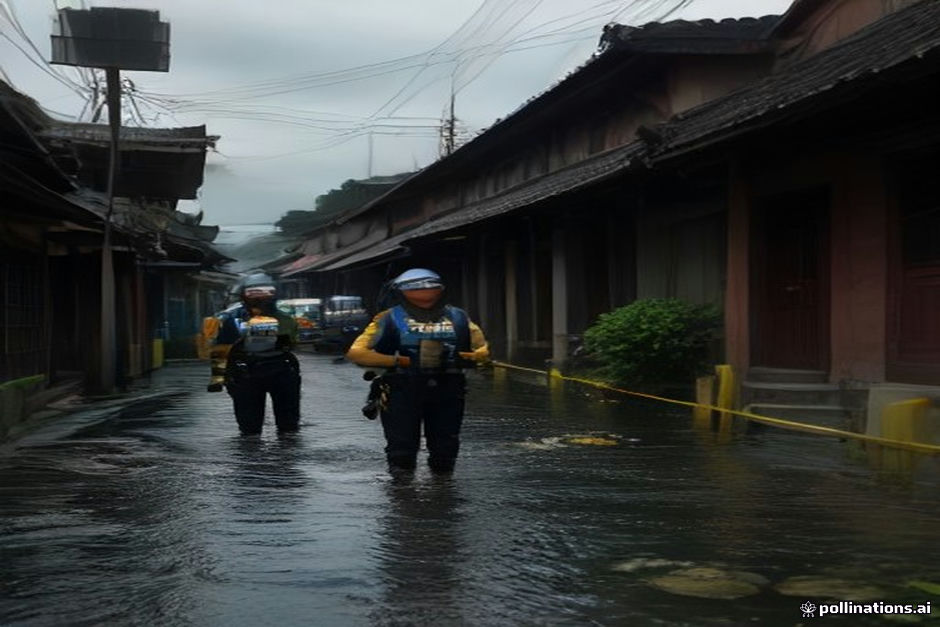
In addition to flooding, the island faces other natural threats, including potential landslides in mountainous regions during heavy rains. The Geological Agency has issued warnings for areas such as Ubud and Bedugul, advising residents to be vigilant. This multi-faceted approach to disaster preparedness signifies an urgent need for community resilience in the face of increasing natural disasters.
The overall sentiment among residents is one of vigilance, with many expressing concerns about the government's ability to manage the risk effectively. Community leaders are calling for more transparency regarding emergency plans and resource allocation to bolster confidence among residents and visitors alike.
As Bali moves forward, the combination of increased rainfall, heightened flooding incidents, and proactive community engagement will be critical in navigating the challenges posed by the rainy season. The coming months will test the island's emergency response capabilities and its ongoing commitment to ensuring the safety of its residents and visitors.



Read Also from Other Categories

Unveiling Bali's Art Scene: A New Chapter in Cultural Tourism
Bali's art scene is experiencing a transformative revival, attracting tourists and art enthusiasts alike. This cultural renaissance is reshaping visitor experiences and bolstering the local economy through innovative art initiatives and exhibitions.

Local Farmers Rally for Support Amid Bali's Agricultural Policy Shift
As Bali's provincial government implements new agricultural policies, local farmers express concerns over their livelihoods. The shift aims to modernize practices but raises questions about sustainability and community impact.

Investors Shift Focus to Bali's Innovative Aquaculture Ventures in 2023
Bali's aquaculture sector has seen a remarkable 35% increase in investment this year, attracting both local and international funding. The surge is driven by a growing demand for sustainable seafood and innovative farming techniques.

Community-Led Initiatives Foster Urban Infrastructure Growth in Denpasar
Residents of Denpasar are taking the lead in improving urban infrastructure through collaborative projects. Local government support amplifies these initiatives, aiming to enhance the city's livability amidst rapid urbanization.
Bali's New Career Hub: Empowering Local Job Seekers with Innovative Training
Bali's job seekers are gaining new opportunities through a strategic partnership between local businesses and vocational training centers. This initiative aims to equip the workforce with essential skills to meet the demands of a rapidly changing job market.

Cafes and Culture: The Role of Community Spaces in Bali's Recovery
As Bali emerges from the pandemic, community cafes are becoming vital hubs for cultural exchange and economic revitalization. These spaces are not only serving coffee but also fostering a sense of belonging and collaboration among locals and visitors alike.
Comments (0)
No comments yet. Be the first!