Reviving Bali's Manufacturing Sector: New Investment Opportunities Emerge
Bali's manufacturing sector is witnessing a resurgence, attracting both local and international investments. This trend indicates a significant shift towards diversifying the island's economy beyond tourism and hospitality.
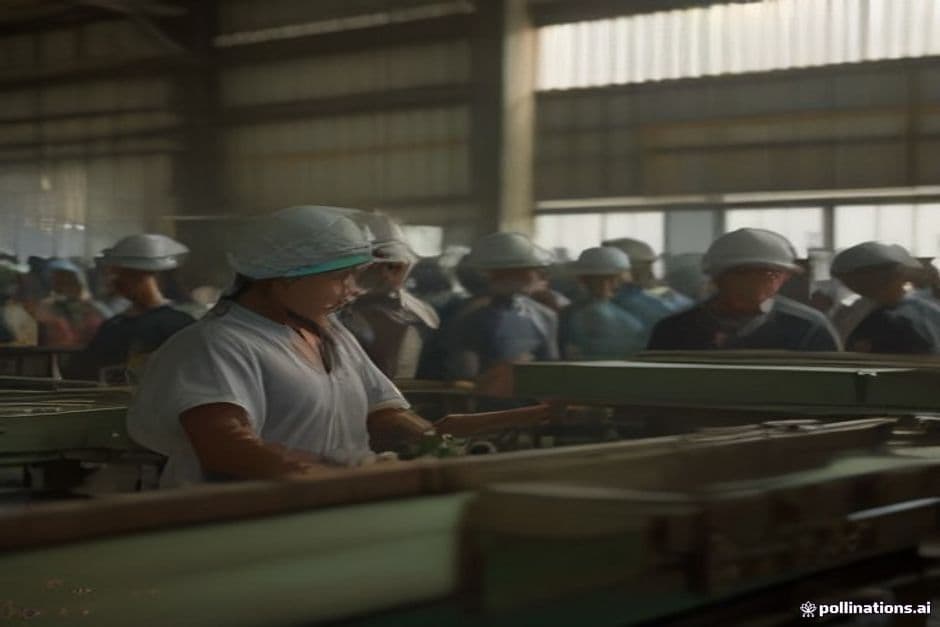
As Bali strives for economic diversification, the manufacturing sector is emerging as a focal point for new investments. In recent months, a growing number of startups and established companies are recognizing the potential of Bali as a manufacturing hub, spurred by a combination of local demand and favorable conditions for investors.
The Indonesian government has emphasized the importance of strengthening the manufacturing sector as part of its broader economic strategy. This shift comes as part of an effort to reduce reliance on tourism, which has historically been the backbone of Bali's economy. According to the Central Statistics Agency, manufacturing contributed approximately 17% to Bali's GDP in 2022, a figure that local officials aim to increase significantly over the next few years.
Recent reports indicate that local manufacturers are increasing their production capabilities, particularly in textiles, furniture, and handicrafts. For instance, companies like Bali Furniture Factory and Bambu Indah are ramping up operations to meet both domestic and international demand, showcasing the island's craftsmanship and sustainable practices. These companies are not only expanding their product lines but are also focusing on eco-friendly materials, appealing to the growing market of environmentally conscious consumers.
Investment in manufacturing has also attracted the attention of venture capitalists. In a recent funding round, Bali-based startup Eco Textiles secured IDR 25 billion to scale its operations. The company's CEO, Arya Putra, stated, "We are committed to providing sustainable textile solutions, and this investment will allow us to enhance our production processes and reach new markets." Such investments are indicative of a broader trend where sustainability and innovation are at the forefront of Bali's manufacturing revival.

In addition, local government initiatives are playing a crucial role in this manufacturing resurgence. The Bali Investment Agency has introduced various incentives for manufacturers, including tax breaks and streamlined permitting processes. This supportive environment is encouraging both domestic entrepreneurs and foreign investors to establish manufacturing operations on the island.
Furthermore, the rise of e-commerce platforms has opened up new sales channels for local manufacturers. Businesses can now reach global markets with relative ease, which is particularly advantageous for small and medium enterprises. The integration of technology in manufacturing processes is also on the rise, with many companies adopting automation and smart technologies to improve efficiency and reduce costs.
The logistics and supply chain sector in Bali is also evolving to support this manufacturing boom. Investments in infrastructure, such as the expansion of local ports and improvements in transportation networks, are crucial for facilitating the movement of goods. The government has been actively pursuing projects aimed at enhancing logistics capabilities, thereby making it easier for manufacturers to distribute their products both locally and internationally.

As the manufacturing sector gains momentum, it is not without challenges. Issues such as skilled labor shortages and competition from other regions remain significant hurdles. However, local educational institutions are stepping up to provide training programs tailored to meet the needs of the manufacturing industry. Collaborations between businesses and universities are becoming increasingly common, fostering a skilled workforce ready to support the sector's growth.
In conclusion, Bali's manufacturing sector is poised for a significant transformation, driven by a combination of local entrepreneurship, government support, and increasing global demand. As investments continue to flow into this sector, Bali is set to enhance its economic resilience and diversify its offerings beyond tourism. Stakeholders across the board are optimistic that this trend will create new jobs and contribute to a more sustainable and robust economy.



Read Also from Other Categories

Unveiling Bali's Art Scene: A New Chapter in Cultural Tourism
Bali's art scene is experiencing a transformative revival, attracting tourists and art enthusiasts alike. This cultural renaissance is reshaping visitor experiences and bolstering the local economy through innovative art initiatives and exhibitions.

Local Farmers Rally for Support Amid Bali's Agricultural Policy Shift
As Bali's provincial government implements new agricultural policies, local farmers express concerns over their livelihoods. The shift aims to modernize practices but raises questions about sustainability and community impact.

Canggu Residents Alarmed by Rising Incidents of Coastal Erosion
As Canggu's picturesque coastline faces increasing erosion, local residents and businesses express urgent concerns. The ongoing erosion threatens homes, livelihoods, and the area's renowned tourism appeal.

Community-Led Initiatives Foster Urban Infrastructure Growth in Denpasar
Residents of Denpasar are taking the lead in improving urban infrastructure through collaborative projects. Local government support amplifies these initiatives, aiming to enhance the city's livability amidst rapid urbanization.
Bali's New Career Hub: Empowering Local Job Seekers with Innovative Training
Bali's job seekers are gaining new opportunities through a strategic partnership between local businesses and vocational training centers. This initiative aims to equip the workforce with essential skills to meet the demands of a rapidly changing job market.

Cafes and Culture: The Role of Community Spaces in Bali's Recovery
As Bali emerges from the pandemic, community cafes are becoming vital hubs for cultural exchange and economic revitalization. These spaces are not only serving coffee but also fostering a sense of belonging and collaboration among locals and visitors alike.
Comments (0)
No comments yet. Be the first!