Reviving Bali's Hidden Temples: A New Era in Spiritual Tourism
Bali's lesser-known temples are seeing a surge in visitor interest as spiritual tourism takes center stage. This trend not only enriches the cultural landscape but also provides economic opportunities for local communities.

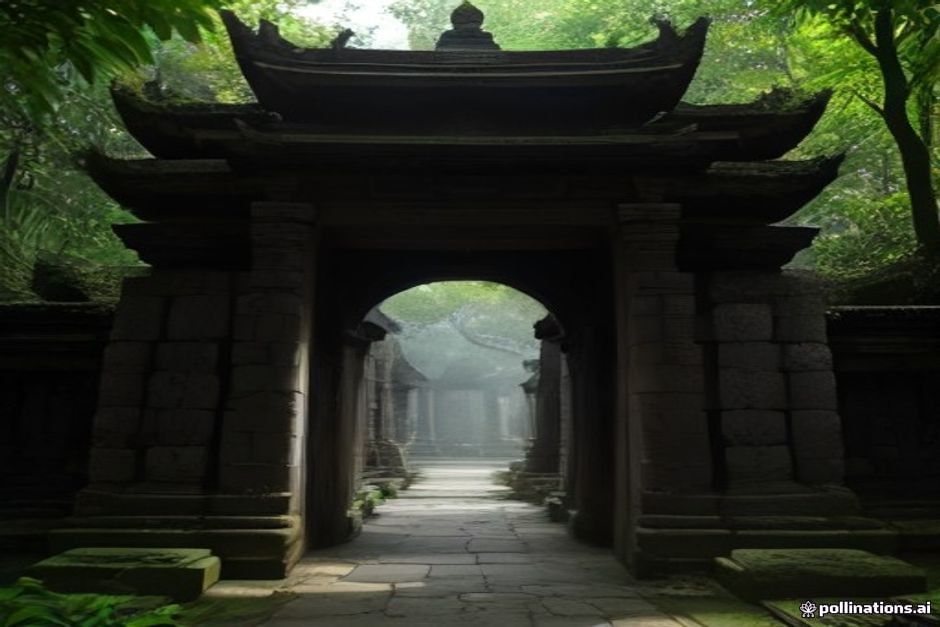
In the heart of Ubud, the sound of the gamelan orchestra fills the air as a small group of travelers gathers around the ancient Pura Gunung Kawi temple. The sun sets behind the lush rice paddies, casting a golden hue on the intricate stone carvings that date back to the 11th century. Here, amidst the serene landscape, visitors are not just seeking Instagram-worthy moments; they are immersing themselves in a profound cultural and spiritual experience.
This scene is emblematic of a growing trend in Bali's tourism landscape: the rise of spiritual tourism. As international travelers increasingly seek authentic experiences, Bali's hidden temples are stepping into the limelight, offering a blend of spirituality, history, and community engagement.
According to the Bali Tourism Board, there has been a notable increase in visitors to these lesser-known sites. In 2025, Pura Gunung Kawi saw a 30% rise in visitor numbers compared to the previous year, reflecting a broader shift towards experiential travel that emphasizes learning and personal growth.
“People are looking for more than just relaxation; they want to connect with the culture and spirituality of Bali,” explains Made Suwena, a local guide who has been leading tours to these temples for over a decade. “They come here to meditate, to understand the rituals, and to experience the energy of the place.”

One of the key factors driving this trend is the increasing popularity of wellness retreats and yoga workshops that incorporate visits to spiritual sites. Upscale resorts and boutique hotels are partnering with local temples to offer unique packages that include guided tours, meditation sessions, and cultural workshops. Places like the Como Shambhala Estate and Fivelements Retreat are leading the charge, providing guests with opportunities to explore Bali's spiritual heritage while enjoying premium wellness offerings.
The impact on local communities is significant. Many temples, once overlooked by mainstream tourism, are now becoming vital community hubs, providing a source of income for local artisans and performers. Traditional ceremonies and offerings are being revitalized, creating a sustainable model that benefits both the temples and the surrounding communities. Local craftspeople are finding new markets for their handmade offerings, from ceremonial sarongs to intricate offerings used in daily rituals.
However, this surge in interest is not without its challenges. As more visitors flock to these sacred sites, the delicate balance between preserving cultural integrity and accommodating tourism becomes increasingly difficult. “It’s important that we educate visitors about the significance of these places,” says Nyoman Artha, head of the Ubud Cultural Heritage Association. “Respecting the traditions and the local community is crucial for sustainable tourism.”
In response to this growing trend, the Bali government has initiated programs aimed at promoting responsible tourism practices. Training workshops for local guides and community leaders focus on sustainable practices, ensuring that tourism development does not overshadow the spiritual significance of these sites. Furthermore, the government is working on infrastructure improvements that enhance visitor experience while protecting the environment.
As Bali continues to evolve, the fusion of spirituality and tourism is likely to shape the future of the island's cultural landscape. With an increasing number of visitors keen to explore the depths of Balinese spirituality, the hidden temples are set to become more than just historical landmarks; they are poised to become pivotal centers for cultural exchange and community resilience.
The trend of spiritual tourism in Bali is not just about visiting ancient temples; it’s about fostering connections—between travelers and local communities, between history and modernity, and between self and spirit. As more travelers seek genuine experiences, Bali's hidden gems are ready to welcome them with open arms, offering not just a glimpse into the past, but a path towards a more enriching future.



Read Also from Other Categories

Local Farmers Rally for Support Amid Bali's Agricultural Policy Shift
As Bali's provincial government implements new agricultural policies, local farmers express concerns over their livelihoods. The shift aims to modernize practices but raises questions about sustainability and community impact.

Investors Shift Focus to Bali's Innovative Aquaculture Ventures in 2023
Bali's aquaculture sector has seen a remarkable 35% increase in investment this year, attracting both local and international funding. The surge is driven by a growing demand for sustainable seafood and innovative farming techniques.

Canggu Residents Alarmed by Rising Incidents of Coastal Erosion
As Canggu's picturesque coastline faces increasing erosion, local residents and businesses express urgent concerns. The ongoing erosion threatens homes, livelihoods, and the area's renowned tourism appeal.
Community-Led Initiatives Foster Urban Infrastructure Growth in Denpasar
Residents of Denpasar are taking the lead in improving urban infrastructure through collaborative projects. Local government support amplifies these initiatives, aiming to enhance the city's livability amidst rapid urbanization.
Bali's New Career Hub: Empowering Local Job Seekers with Innovative Training
Bali's job seekers are gaining new opportunities through a strategic partnership between local businesses and vocational training centers. This initiative aims to equip the workforce with essential skills to meet the demands of a rapidly changing job market.

Cafes and Culture: The Role of Community Spaces in Bali's Recovery
As Bali emerges from the pandemic, community cafes are becoming vital hubs for cultural exchange and economic revitalization. These spaces are not only serving coffee but also fostering a sense of belonging and collaboration among locals and visitors alike.
Comments (0)
No comments yet. Be the first!