Revitalizing Bali’s Nightlife: A New Era of Cultural Celebrations
Bali's nightlife is undergoing a transformation with vibrant cultural festivals and local events gaining popularity. As the island embraces these changes, visitors are discovering a more authentic side of Balinese culture after sunset.
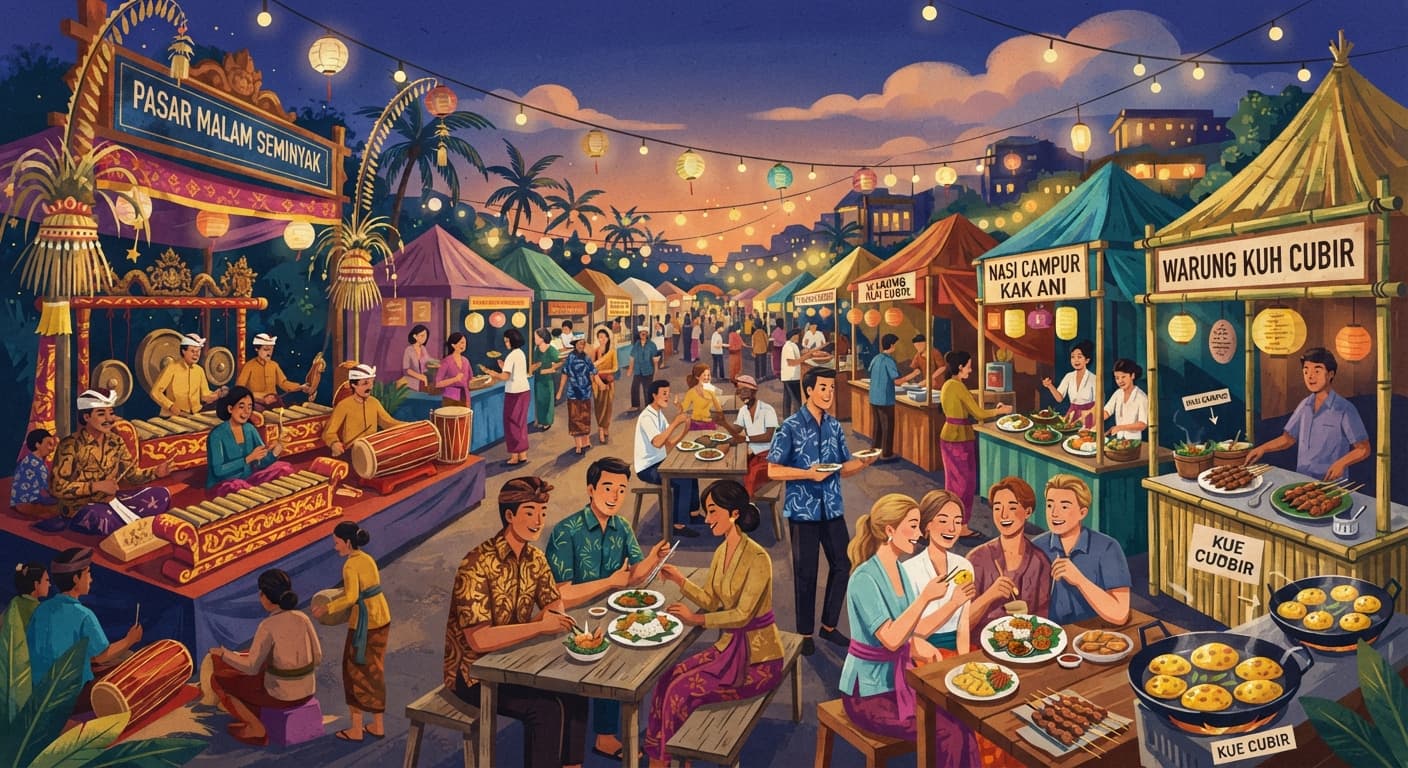
As dusk settles over Seminyak, the vibrant hum of nightlife awakens. Yet, the scene is evolving beyond the usual beach clubs and cocktail bars. This year, Bali is embracing a cultural renaissance with a series of festivals and night markets that invite both locals and tourists to engage more deeply with the island's rich traditions.
Located along Jalan Petitenget, the Seminyak Night Market has become a hotspot for foodies and culture enthusiasts. Local vendors showcase a delectable array of traditional Balinese dishes, from nasi campur to delectable sweets like kue cubir. Visitors can be seen savoring their meals while listening to live traditional music, creating an atmosphere that is both festive and intimate.
“We want to provide an authentic experience that connects visitors to our culture,” says Made, a vendor who has been serving food at the night market for over five years. The smell of grilled seafood fills the air, while the sound of laughter and chatter creates a warm ambiance.
Meanwhile, just a short drive away, the Bali Arts Festival is set to kick off next month in Denpasar, marking its 45th year. This month-long event will showcase performances ranging from traditional Balinese dance to contemporary art exhibitions, drawing thousands of visitors eager to experience the island’s artistic spirit. The festival’s chairman, I Gusti Ngurah Sudiana, emphasized the importance of this event in promoting cultural exchange. “We want to show the world that Bali is not only a beach destination but also a hub for art and culture,” he stated.
As part of the festival, nightly performances will take place at the Denpasar Cultural Park, where locals will put on shows featuring traditional music, dance, and theater. The park, adorned with colorful lights and decorations, transforms into a magical space that captures the essence of Balinese heritage.
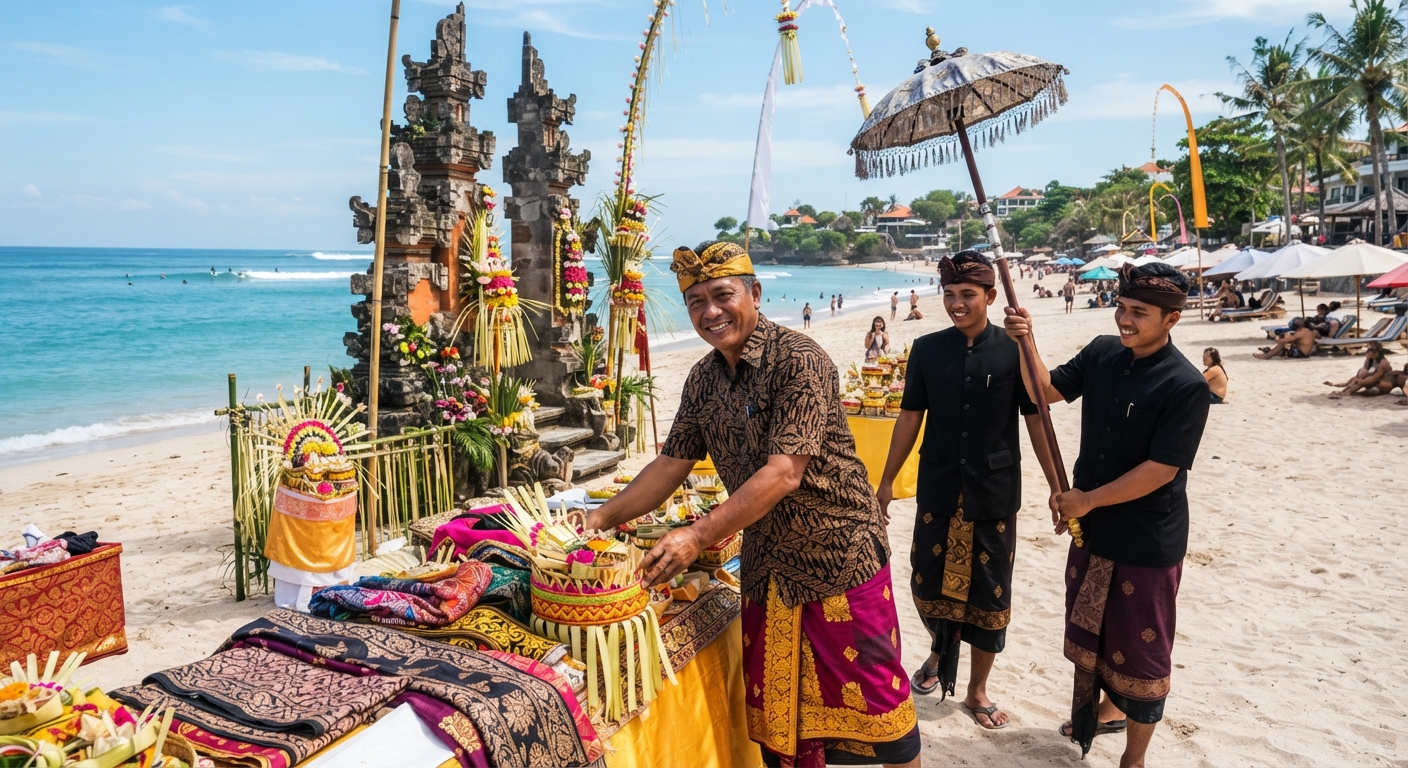
In Ubud, the Ubud Night Market has also embraced the trend, offering visitors a blend of shopping, dining, and cultural experiences. Every weekend, artisans gather to sell handmade crafts, from intricate silver jewelry to vibrant textiles. The market is a sensory feast, filled with the smell of fresh spices and the sounds of local musicians performing traditional tunes.
“I come here every weekend; it’s my favorite way to unwind after a long week,” shares Rina, a local artist. “The market brings everyone together, and I love seeing tourists enjoy our traditions.”
As Bali’s tourism landscape shifts, the focus on cultural experiences is becoming more pronounced. The Tourism Ministry has recognized this trend, promoting cultural tourism as a means to sustain the local economy and preserve Balinese traditions. “Our goal is to create a balance between tourism and culture,” explains the Head of the Ministry, Wayan Koster. “We believe that by showcasing our heritage, we can attract more visitors who appreciate the richness of our culture.”
The revitalization of Bali’s nightlife is not without challenges. Local businesses face competition from established entertainment venues that cater primarily to tourists seeking a more commercial experience. However, as more visitors seek authentic encounters, the appeal of cultural festivals and local events continues to grow.
In addition to traditional festivals, Bali is also seeing a rise in themed events that celebrate local culture. The recent Balinese Night at Potato Head in Seminyak attracted hundreds of attendees eager to experience a mix of traditional cuisine and modern entertainment. The event featured live performances, culinary demonstrations, and interactive workshops aimed at immersing guests in Balinese culture.
As Bali moves forward, the blend of traditional cultural experiences with modern nightlife is creating a unique landscape that appeals to both locals and visitors. The island’s commitment to preserving its heritage while adapting to contemporary trends is paving the way for a more sustainable tourism model.
With the growth of these cultural initiatives, Bali is poised to redefine its nightlife scene, offering a richer, more engaging experience that resonates with the values of both residents and visitors alike. As the island embraces this new era, it is clear that the heartbeat of Bali’s culture is alive and thriving after dark.
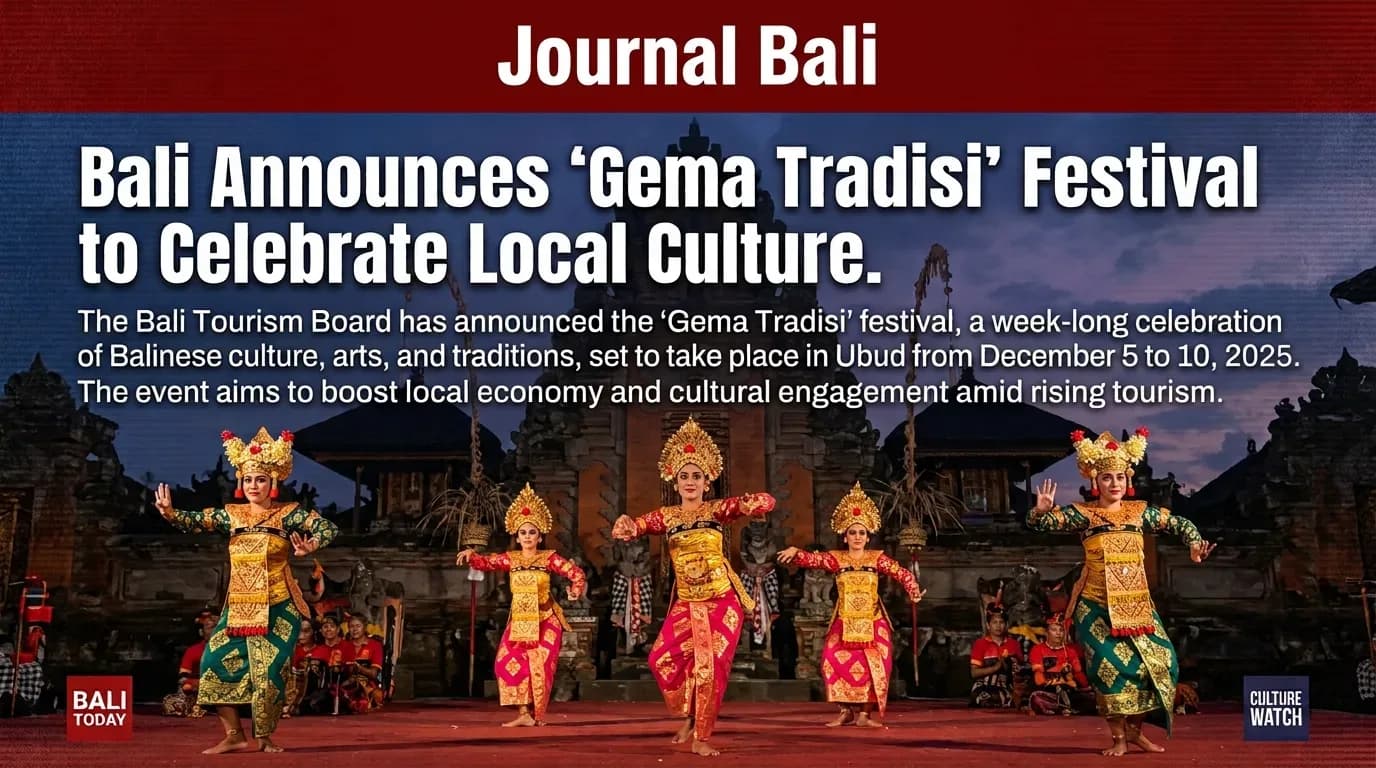

Read Also from Other Categories

Jakarta's Expansion Plans Prompt Bali's Government to Rethink Land Policies
As Jakarta prepares for significant urban expansion, Bali's provincial government faces pressure to update its land use regulations. This shift aims to balance development with preservation amidst concerns from local communities.

Bali's Insurance Tech Startups Attract Major Investments Amid Global Trends
Bali's insurance technology sector is rapidly gaining traction, with several startups securing significant funding in 2023. Investors are drawn to innovative solutions addressing local and global insurance challenges, signaling a shift in the investment landscape.

Power Outages Plague Bali as Storms Intensify, Local Businesses Struggle
Frequent power outages across Bali have heightened concerns for local businesses as storms wreak havoc. With mounting disruptions, community members are calling for urgent improvements to the island's electrical infrastructure.

Community Efforts Push for Sustainable Development in Bali's Rural Areas
Local initiatives are driving a new wave of sustainable development in Bali's rural regions, focusing on infrastructure, education, and cultural preservation. As communities collaborate, the impact is reshaping their futures positively and sustainably.

Job Market Transformation: Bali's Shift to Remote Work Opportunities
Bali's job market is evolving, with remote work opportunities surging by 30% in the past year. This trend is reshaping employment patterns and attracting a diverse talent pool to the island.
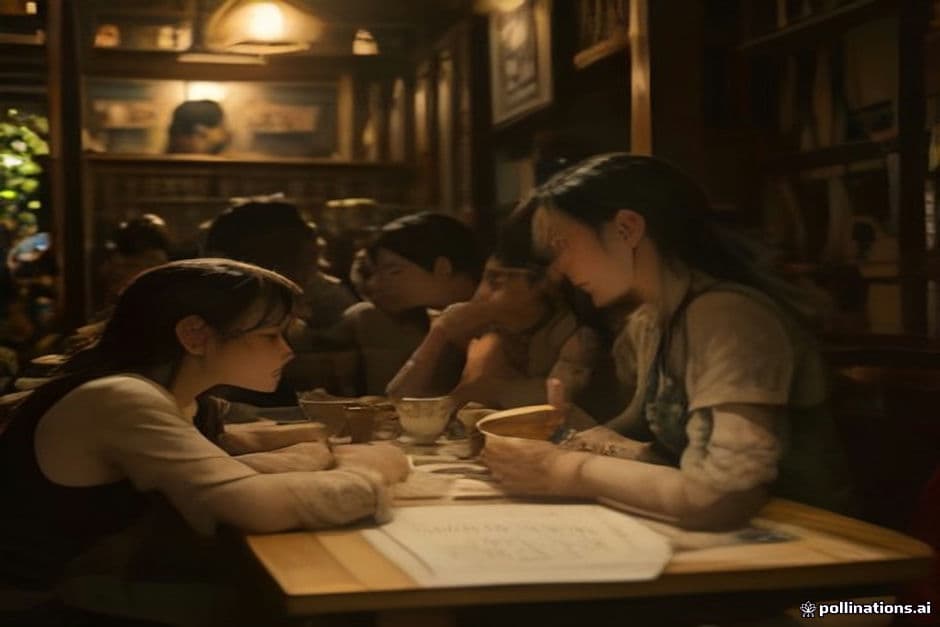
Cafes and Culture: The Role of Community Spaces in Bali's Recovery
As Bali emerges from the pandemic, community cafes are becoming vital hubs for cultural exchange and economic revitalization. These spaces are not only serving coffee but also fostering a sense of belonging and collaboration among locals and visitors alike.
Comments (0)
No comments yet. Be the first!