Revamping Bali's Public Health Policy: A Response to Local Needs
Bali's provincial government is overhauling its public health policy to better address the needs of its residents. This initiative aims to improve healthcare access, particularly in rural areas, reflecting a shift towards prioritizing local health outcomes.
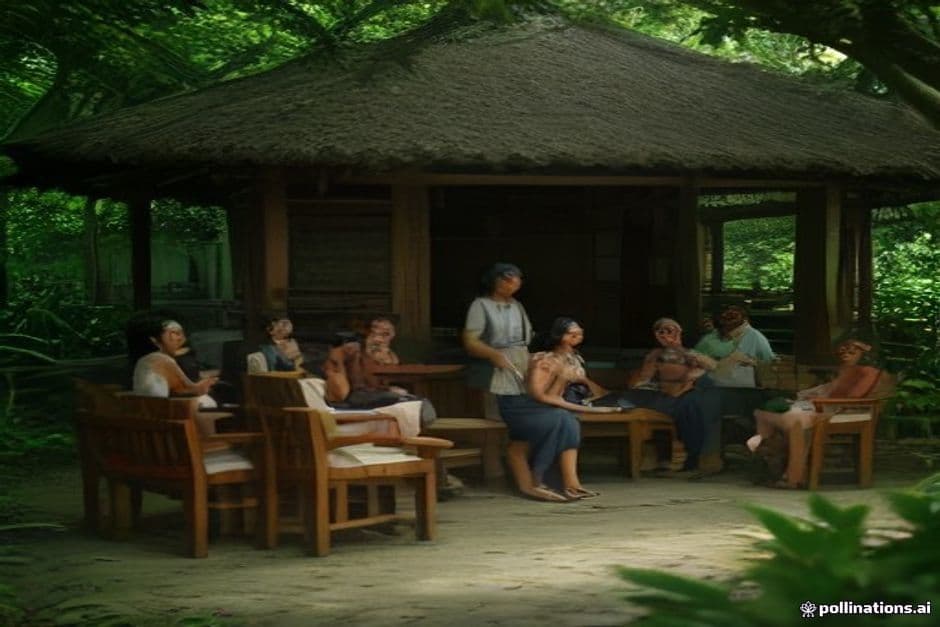
Bali's provincial government is set to implement significant changes to its public health policy, focusing on improving healthcare access and services for local residents. This move comes in response to growing concerns about health disparities, particularly in rural areas, and aims to ensure that healthcare is more equitable and accessible.
Governor Wayan Koster has emphasized the importance of this initiative, stating that the government is committed to providing comprehensive healthcare services that meet the needs of all Balinese people. The new policy includes plans to enhance infrastructure, increase the number of healthcare professionals, and improve the quality of medical services.
As part of this initiative, the government will allocate additional funds for healthcare projects, with a particular focus on remote areas that have historically struggled with access to medical services. This includes expanding the reach of community health centers and increasing mobile healthcare units that can provide services in hard-to-reach locations.
The governor's office has also announced a partnership with local health organizations to develop training programs aimed at equipping healthcare workers with the necessary skills to address the unique health challenges faced by rural communities. This collaboration is expected to bolster the local workforce and enhance the overall quality of care provided.

In addition to infrastructure improvements, the new policy will target specific health issues prevalent in Bali, such as maternal and child health, infectious diseases, and mental health services. By addressing these key areas, the provincial government hopes to reduce health disparities and improve overall public health outcomes.
Community engagement will be a cornerstone of this revamped policy. The provincial government is planning a series of town hall meetings across Bali to gather input from residents on their healthcare needs and concerns. This feedback will be instrumental in shaping the final details of the health policy, ensuring it is tailored to the actual needs of the population.
Experts have welcomed the initiative, noting that a more localized approach to healthcare can lead to better outcomes. Dr. Nyoman Suwartha, a local health expert, stated, "This is a crucial step towards addressing the unique health challenges in Bali. By focusing on the needs of local communities, we can create a more effective healthcare system that serves everyone equally."

The provincial government has also indicated plans to enhance telemedicine services, particularly in light of the COVID-19 pandemic, which highlighted the need for accessible healthcare options. Expanding telehealth will allow residents in remote areas to consult with healthcare providers without the need to travel long distances.
As the implementation of this health policy unfolds, the government will closely monitor its impact on public health indicators, with an aim to report progress to the community regularly. This commitment to transparency and accountability is expected to foster trust between the government and the communities it serves.
Looking ahead, the provincial government is optimistic that these changes will lead to a healthier and more resilient population. By investing in public health infrastructure and services, Bali aims to not only improve health outcomes but also enhance the quality of life for all its residents.



Read Also from Other Categories

Unveiling Bali's Art Scene: A New Chapter in Cultural Tourism
Bali's art scene is experiencing a transformative revival, attracting tourists and art enthusiasts alike. This cultural renaissance is reshaping visitor experiences and bolstering the local economy through innovative art initiatives and exhibitions.

Investors Shift Focus to Bali's Innovative Aquaculture Ventures in 2023
Bali's aquaculture sector has seen a remarkable 35% increase in investment this year, attracting both local and international funding. The surge is driven by a growing demand for sustainable seafood and innovative farming techniques.

Canggu Residents Alarmed by Rising Incidents of Coastal Erosion
As Canggu's picturesque coastline faces increasing erosion, local residents and businesses express urgent concerns. The ongoing erosion threatens homes, livelihoods, and the area's renowned tourism appeal.

Community-Led Initiatives Foster Urban Infrastructure Growth in Denpasar
Residents of Denpasar are taking the lead in improving urban infrastructure through collaborative projects. Local government support amplifies these initiatives, aiming to enhance the city's livability amidst rapid urbanization.
Bali's New Career Hub: Empowering Local Job Seekers with Innovative Training
Bali's job seekers are gaining new opportunities through a strategic partnership between local businesses and vocational training centers. This initiative aims to equip the workforce with essential skills to meet the demands of a rapidly changing job market.

Cafes and Culture: The Role of Community Spaces in Bali's Recovery
As Bali emerges from the pandemic, community cafes are becoming vital hubs for cultural exchange and economic revitalization. These spaces are not only serving coffee but also fostering a sense of belonging and collaboration among locals and visitors alike.
Comments (0)
No comments yet. Be the first!