New Smart City Initiative Aims to Revolutionize Bali's Urban Management
Bali's provincial government launches a comprehensive smart city initiative to enhance urban management and improve public services. This program is set to leverage technology for sustainable urban development across the island.
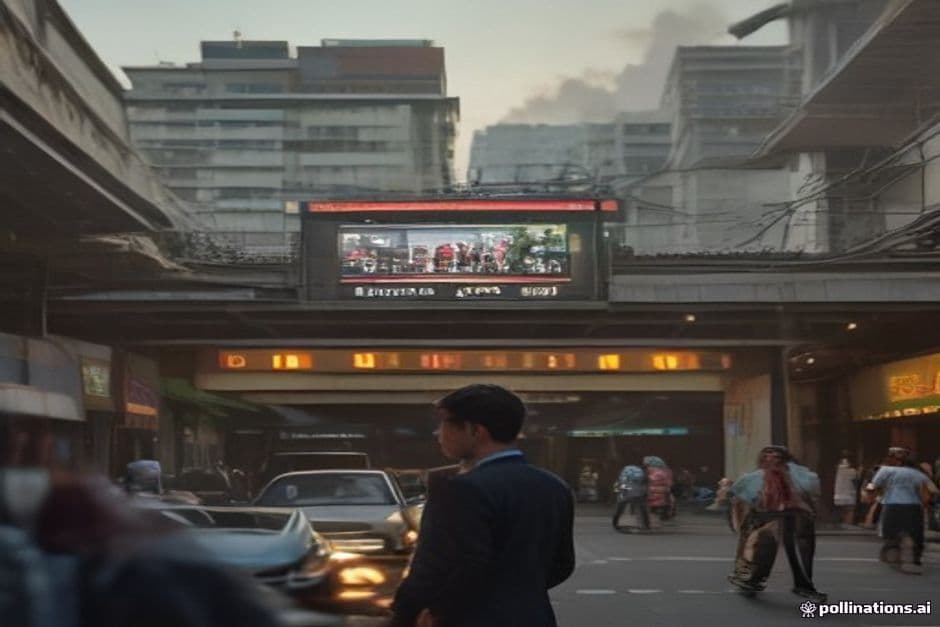
The provincial government of Bali has unveiled a significant initiative aimed at transforming urban management through the implementation of smart city technologies. This program, announced by Governor Wayan Koster, is designed to enhance public services and address the challenges posed by rapid urbanization on the island.
Governor Koster highlighted the necessity for such a program during a recent press conference held in Denpasar, where he addressed growing concerns about traffic congestion, public safety, and efficient resource management in Bali's urban areas. The initiative is part of a broader strategy to utilize digital solutions in governance, aiming to create a more responsive and sustainable urban environment for residents and visitors alike.
As part of this smart city framework, the government plans to integrate various technologies, including IoT (Internet of Things), big data analytics, and artificial intelligence, to streamline urban services. The first phase of the initiative will focus on key areas such as waste management, traffic monitoring, and emergency response systems. For instance, smart sensors will be deployed to optimize waste collection routes, reducing costs and improving efficiency.
In addition to technological upgrades, the initiative will also emphasize community involvement. Local residents and stakeholders will be encouraged to participate in the planning and implementation stages to ensure that the solutions are tailored to their specific needs. This participatory approach is expected to foster a sense of ownership among the community, ultimately leading to better outcomes.

The initiative aligns with Indonesia's national smart city vision, which promotes the use of technology to enhance urban living conditions. Bali, as a prominent tourist destination, faces unique challenges that require innovative solutions. The provincial government aims to position Bali as a model smart city within the region, showcasing how technology can improve quality of life while preserving the island's cultural heritage.
Experts have welcomed the initiative, noting that it could significantly impact Bali's urban landscape. Dr. I Made Susila, an urban planning expert from Udayana University, stated, "The integration of smart technologies in urban management can lead to more efficient use of resources and better services for the community. This is a crucial step for Bali, especially as it continues to attract millions of visitors each year."
However, the initiative is not without its challenges. Concerns have been raised about the digital divide in the region, as not all residents may have equal access to technology or the internet. To address this, the government plans to invest in digital literacy programs to ensure that all community members can engage with and benefit from the smart city initiative.

In a related development, Bali's provincial government has begun collaborating with technology firms and universities to design and implement the smart city solutions. This partnership aims to leverage expertise from both the public and private sectors, enhancing the overall effectiveness of the initiative.
As the smart city initiative progresses, the provincial government will monitor its impact on urban management and public services. Regular assessments will be conducted to gauge the effectiveness of the implemented technologies and make necessary adjustments.
Looking ahead, the Bali government is optimistic that this transformative project will not only address current urban challenges but also set a benchmark for other regions in Indonesia. By embracing innovation and fostering collaboration, Bali aims to create a sustainable urban future that benefits both residents and visitors.



Read Also from Other Categories

Unveiling Bali's Art Scene: A New Chapter in Cultural Tourism
Bali's art scene is experiencing a transformative revival, attracting tourists and art enthusiasts alike. This cultural renaissance is reshaping visitor experiences and bolstering the local economy through innovative art initiatives and exhibitions.

Investors Shift Focus to Bali's Innovative Aquaculture Ventures in 2023
Bali's aquaculture sector has seen a remarkable 35% increase in investment this year, attracting both local and international funding. The surge is driven by a growing demand for sustainable seafood and innovative farming techniques.

Canggu Residents Alarmed by Rising Incidents of Coastal Erosion
As Canggu's picturesque coastline faces increasing erosion, local residents and businesses express urgent concerns. The ongoing erosion threatens homes, livelihoods, and the area's renowned tourism appeal.
Community-Led Initiatives Foster Urban Infrastructure Growth in Denpasar
Residents of Denpasar are taking the lead in improving urban infrastructure through collaborative projects. Local government support amplifies these initiatives, aiming to enhance the city's livability amidst rapid urbanization.
Bali's New Career Hub: Empowering Local Job Seekers with Innovative Training
Bali's job seekers are gaining new opportunities through a strategic partnership between local businesses and vocational training centers. This initiative aims to equip the workforce with essential skills to meet the demands of a rapidly changing job market.

Cafes and Culture: The Role of Community Spaces in Bali's Recovery
As Bali emerges from the pandemic, community cafes are becoming vital hubs for cultural exchange and economic revitalization. These spaces are not only serving coffee but also fostering a sense of belonging and collaboration among locals and visitors alike.
Comments (0)
No comments yet. Be the first!