New Regulations Challenge Bali's Traditional Crafts as Global Trends Shift
Recent government regulations in Bali are set to impact the island's traditional crafts sector significantly. Artisans and local communities are grappling with the challenges posed by new policies aimed at boosting tourism and modernization.

In a quiet workshop nestled in the heart of Ubud, the rhythmic sound of chiseling wood fills the air as skilled artisans breathe life into traditional Balinese sculptures. The scent of fresh sawdust mingles with the aroma of nearby incense, creating a familiar atmosphere for locals and tourists alike. Yet, a cloud of uncertainty looms over this vibrant craft scene as new provincial regulations threaten the very essence of these beloved traditions.
Governor Wayan Koster's recent policy changes, aimed at modernizing Bali’s economy and attracting international investments, have sparked a heated debate among local artisans. The regulations require traditional craft businesses to obtain licenses and adhere to stringent quality control measures, a move the government argues will enhance the island’s reputation as a cultural destination. However, many artisans fear that these changes could undermine their traditional practices, which have been passed down through generations.
“We have always relied on our skills and the heritage of our craft,” says Made Suardana, a master woodworker who has spent over 30 years perfecting his trade. “Now, we are being told that our way of working is not enough. It's like asking a Balinese dancer to change their movements to fit a foreign style.” The sentiments echoed by Suardana resonate with many in the artisan community, who feel that the new regulations prioritize profit over cultural significance.
As the sun sets over Ubud, casting a warm glow on the intricate carvings displayed in local shops, the impact of these regulations becomes more apparent. The government’s push for a more regulated craft industry is seen by some as an attempt to standardize products for tourists, potentially diluting the authenticity that draws visitors to Bali in the first place. Critics argue that this could lead to a loss of local identity and craftsmanship.

In response to the pushback, the provincial government has organized forums and workshops to engage with artisans, aiming to find a balance between regulation and tradition. “We want to support our local craftspeople while also appealing to a global market,” states Nyoman Adnyana, Head of Bali’s Cultural Affairs Office. “Our goal is to ensure that Bali remains a vibrant cultural hub without sacrificing quality or authenticity.”
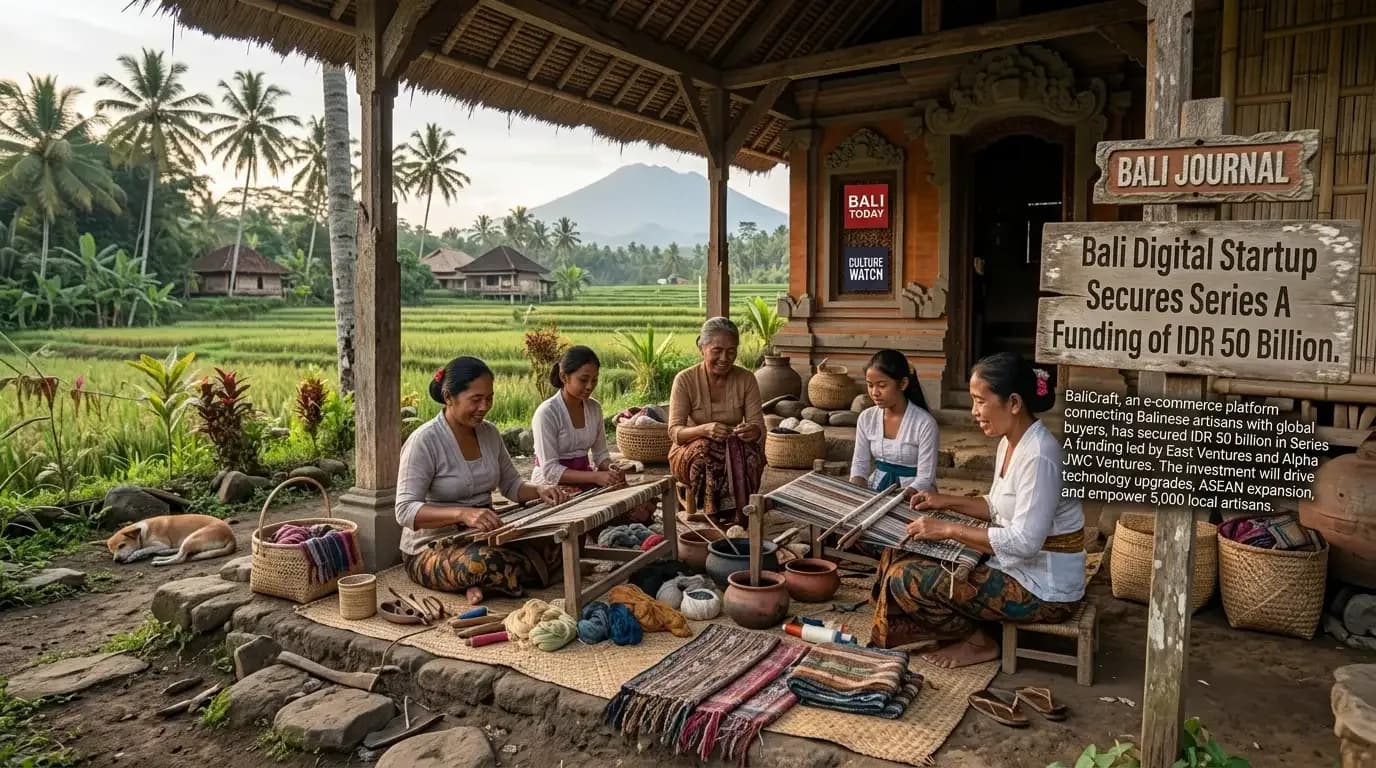
However, the effectiveness of these forums remains to be seen, as many artisans feel that their voices are not being heard in the decision-making process. “It’s frustrating,” says Ni Ketut Sari, a textile weaver from Karangasem. “We want to be part of the solution, but it feels like we are being sidelined.”
The economic stakes are high. With the tourism sector contributing significantly to Bali's GDP, the government is under pressure to modernize and attract foreign investment. The new regulations are positioned as a means to enhance the quality of products, thereby increasing their appeal to international buyers. Yet, this approach may overlook the unique character that traditional crafts bring to the island.

As discussions continue, the artisans are exploring creative ways to adapt to the new landscape. Some have begun collaborating with local designers to create contemporary pieces that fuse traditional techniques with modern aesthetics. “We are trying to innovate while maintaining our roots,” Suardana explains, his eyes reflecting a mix of determination and concern. “But it’s a delicate balance.”
Looking ahead, the future of Bali's traditional crafts remains uncertain. The government’s commitment to support local artisans will be crucial in determining whether these new regulations will lead to a revitalization of the industry or its decline. As the last light of day fades over the workshops, the artisans of Bali continue to navigate these shifting tides, holding fast to their heritage while striving to carve out a place in a changing world.

Read Also from Other Categories
Exploring the Rise of Cultural Tourism in Bali's Lesser-Known Areas
Bali's cultural tourism is expanding beyond traditional hotspots, with a 25% increase in visitors to rural regions. This shift is reshaping travel experiences and benefiting local communities significantly.

Unveiling Bali's Untapped Investment Potential in the Health and Wellness Sector
Bali's health and wellness industry is poised for significant growth as investors target innovative startups in this sector. With increasing global interest and local demand, the region is becoming a hub for health-focused investments.

Bali's Coastal Communities on Alert as Rising Sea Levels Threaten Homes
As climate change accelerates, Bali's coastal communities are grappling with the stark reality of rising sea levels. Local authorities and residents are increasingly concerned about the implications for homes, tourism, and the environment.
Cultural Heritage and Infrastructure: Bali's Path to Sustainable Development
Local government programs in Bali are focusing on enhancing cultural heritage while improving essential infrastructure. This dual approach aims to support community initiatives and sustainable tourism in the region.
Employers Seek Local Talent as Bali's Job Fairs Gain Momentum
Bali's job fairs are becoming a beacon of hope for job seekers, showcasing a growing demand for local talent. With a focus on diverse industries, these events offer training programs and networking opportunities to facilitate career growth.

How Bali's Waste Management Crisis Is Shaping Environmental Policy
Bali faces a critical waste management crisis as tourism surges amid environmental concerns. Local authorities are now under pressure to implement sustainable policies that address both the increasing waste and the island's ecological integrity.
Comments (0)
No comments yet. Be the first!