Festival-Driven Tourism: Bali's Path to Economic Resilience in 2026
As Bali's tourism sector rebounds, festivals play a crucial role in attracting millions of visitors. The island's diverse cultural events are enhancing local economies and fostering community engagement.

With an expected influx of 6.63 million international visitors by the end of 2026, Bali's tourism sector is witnessing a renaissance largely driven by a vibrant festival calendar. The Bali Tourism Board reports a 25% increase in visitor numbers in the first half of 2026 compared to the same period in 2025, highlighting the significant role of cultural events in revitalizing the local economy.
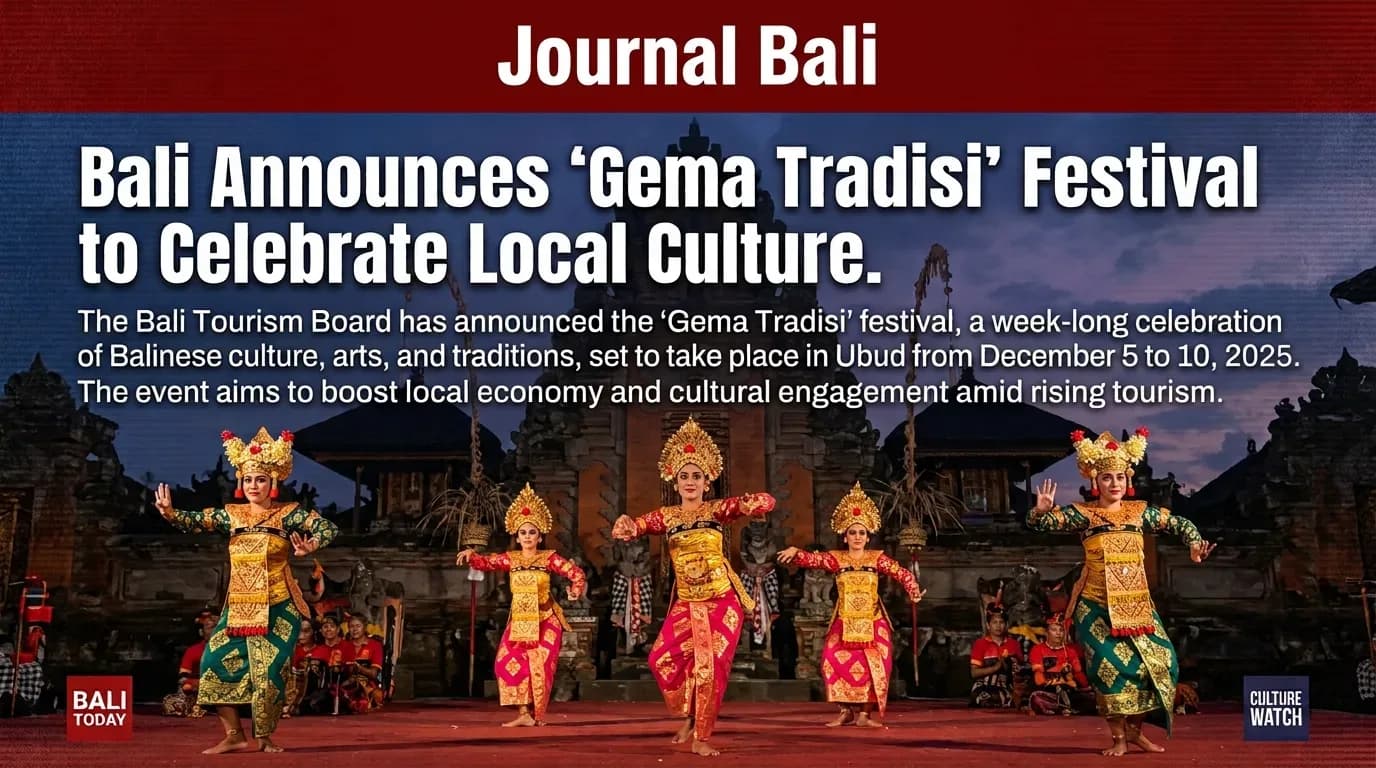
Notably, the Bali Arts Festival, which draws thousands of tourists every June, has expanded its offerings this year, featuring over 300 performances from local and international artists. This festival alone accounts for approximately 15% of the total tourist arrivals during its month-long duration. The event not only showcases Balinese culture but also provides a platform for local artisans and performers, significantly boosting their income.
In addition to the Bali Arts Festival, other events such as the Ubud Food Festival and the Bali Kite Festival are increasingly attracting global attention. The Ubud Food Festival, scheduled for July, is expected to see a 20% rise in attendance, with over 30 celebrity chefs participating. This festival has become a catalyst for culinary tourism in Bali, not only enhancing the island's reputation as a food destination but also supporting local agriculture by promoting farm-to-table practices.
The economic impact of these festivals is substantial. Recent studies indicate that each visitor to the Bali Arts Festival spends an average of IDR 1.2 million (approximately USD 80) per day on accommodations, dining, and activities. Considering the festival's reach, this translates to an estimated IDR 2 trillion (USD 133 million) contribution to the local economy during its duration. Such figures underscore the importance of festivals in sustaining Bali's tourism landscape amid ongoing global uncertainties.

Moreover, the festivals encourage community participation and foster cultural pride among residents. Local governments are collaborating with community groups to ensure that these events not only attract tourists but also engage locals in meaningful ways. For instance, the involvement of local schools in the Bali Arts Festival has increased, allowing students to showcase their talents and learn about their cultural heritage.
However, this resurgence in festival-driven tourism is not without challenges. The Bali Tourism Board has expressed concerns regarding infrastructure strain, particularly in areas heavily frequented by tourists. Traffic congestion and inadequate public transportation options during events are pressing issues that need addressing to maintain a smooth visitor experience. The government has initiated plans to improve transportation infrastructure, including expanding roadways and enhancing public transit services.
As Bali continues to diversify its tourism offerings, the emphasis on festivals is likely to grow. The Tourism Ministry has announced plans to create a comprehensive calendar of events, promoting lesser-known festivals alongside major ones to distribute tourist traffic more evenly across the island. This strategy not only aims to ease congestion in popular areas but also to encourage visitors to explore Bali's rich cultural tapestry.

In 2026, festival-driven tourism in Bali is poised to play a pivotal role in the island's economic recovery, providing a lifeline for local businesses and communities. As more visitors flock to experience the vibrant cultural landscape, it is essential for stakeholders to collaborate on sustainable practices that ensure the longevity and authenticity of these events.
Ultimately, the success of Bali's tourism revival hinges on the balance between attracting visitors and preserving the island's unique cultural identity. By leveraging the power of festivals, Bali is not only enhancing its appeal as a travel destination but also fostering a resilient economic future.

Read Also from Other Categories

Jakarta's New Policy on Bali's Land Use Sparks Controversy Among Locals
New land use policies from Jakarta are stirring debate in Bali as locals express concerns about the implications for heritage and environment. The Bali provincial government is tasked with enforcing these controversial regulations that could reshape community landscapes.

Unveiling Bali's Untapped Investment Potential in the Health and Wellness Sector
Bali's health and wellness industry is poised for significant growth as investors target innovative startups in this sector. With increasing global interest and local demand, the region is becoming a hub for health-focused investments.

Bali's Coastal Communities on Alert as Rising Sea Levels Threaten Homes
As climate change accelerates, Bali's coastal communities are grappling with the stark reality of rising sea levels. Local authorities and residents are increasingly concerned about the implications for homes, tourism, and the environment.
Cultural Heritage and Infrastructure: Bali's Path to Sustainable Development
Local government programs in Bali are focusing on enhancing cultural heritage while improving essential infrastructure. This dual approach aims to support community initiatives and sustainable tourism in the region.
Employers Seek Local Talent as Bali's Job Fairs Gain Momentum
Bali's job fairs are becoming a beacon of hope for job seekers, showcasing a growing demand for local talent. With a focus on diverse industries, these events offer training programs and networking opportunities to facilitate career growth.
How Bali's Waste Management Crisis Is Shaping Environmental Policy
Bali faces a critical waste management crisis as tourism surges amid environmental concerns. Local authorities are now under pressure to implement sustainable policies that address both the increasing waste and the island's ecological integrity.
Comments (0)
No comments yet. Be the first!