Cultural Heritage and Infrastructure: Bali's Path to Sustainable Development
Local government programs in Bali are focusing on enhancing cultural heritage while improving essential infrastructure. This dual approach aims to support community initiatives and sustainable tourism in the region.
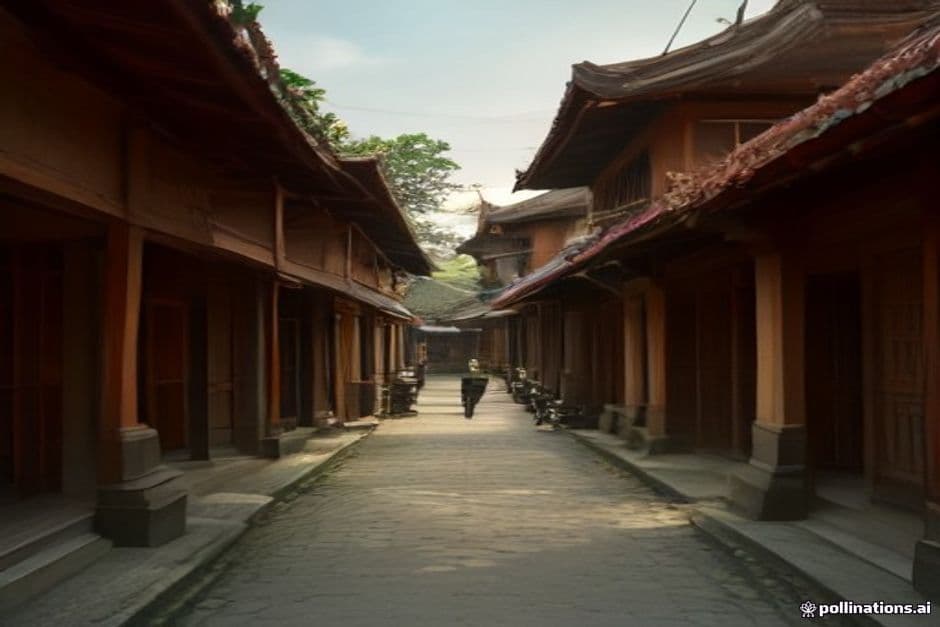
In Bali, a new wave of local government initiatives is emerging, focused on marrying cultural preservation with necessary infrastructure improvements. This approach is designed to enhance the quality of life for residents while simultaneously attracting sustainable tourism.
The Bali provincial government recently announced a comprehensive plan that integrates traditional cultural preservation with infrastructure upgrades. This initiative is part of a broader strategy to uplift local communities and secure a sustainable future for the island while respecting its rich heritage. Governor I Wayan Koster emphasized the importance of this integration during a press conference, stating that preserving Bali's unique cultural identity is just as crucial as developing modern infrastructure.
One significant element of this plan is the ongoing revitalization of traditional Balinese arts and crafts in conjunction with infrastructure projects. Local artisans are being supported through grants and training programs to ensure their skills are not lost to modernization. For instance, the Denpasar City Council is collaborating with various cultural groups to host workshops that teach traditional crafts, such as batik and wood carving, to the younger generation. These efforts are proving essential in keeping traditional art forms alive and relevant.
Infrastructure development in Bali has also taken a turn towards sustainability. The local government is committing to green building practices, which include using eco-friendly materials and ensuring that new constructions do not hinder the island's natural beauty. A recent project in Canggu, for example, involves upgrading roads while also planting trees along the pathways to enhance the area’s aesthetic and ecological value.

Additionally, public transportation systems are being improved to reduce traffic congestion and pollution. The Bali Transportation Agency is currently working on implementing a new efficient bus network designed to connect major tourist areas with local communities. This transport initiative not only aims to make travel more accessible but also promotes the use of public transport over private vehicles, thereby reducing the carbon footprint.
The integration of cultural and infrastructure initiatives is also visible in the planned cultural centers across Bali. These centers will serve as hubs for community engagement, offering spaces for cultural performances, exhibitions, and local markets. The first of these centers is slated to open in Ubud by the end of 2024, providing a platform for local artists and craftsmen to showcase their work, thereby stimulating the local economy.
Moreover, a significant consultation process is involved in these developments, with community feedback being actively sought and incorporated into planning. This participatory approach ensures that the projects not only serve tourists but also benefit the local population. Residents of both Denpasar and rural areas have been invited to share their insights and preferences regarding new infrastructure developments.
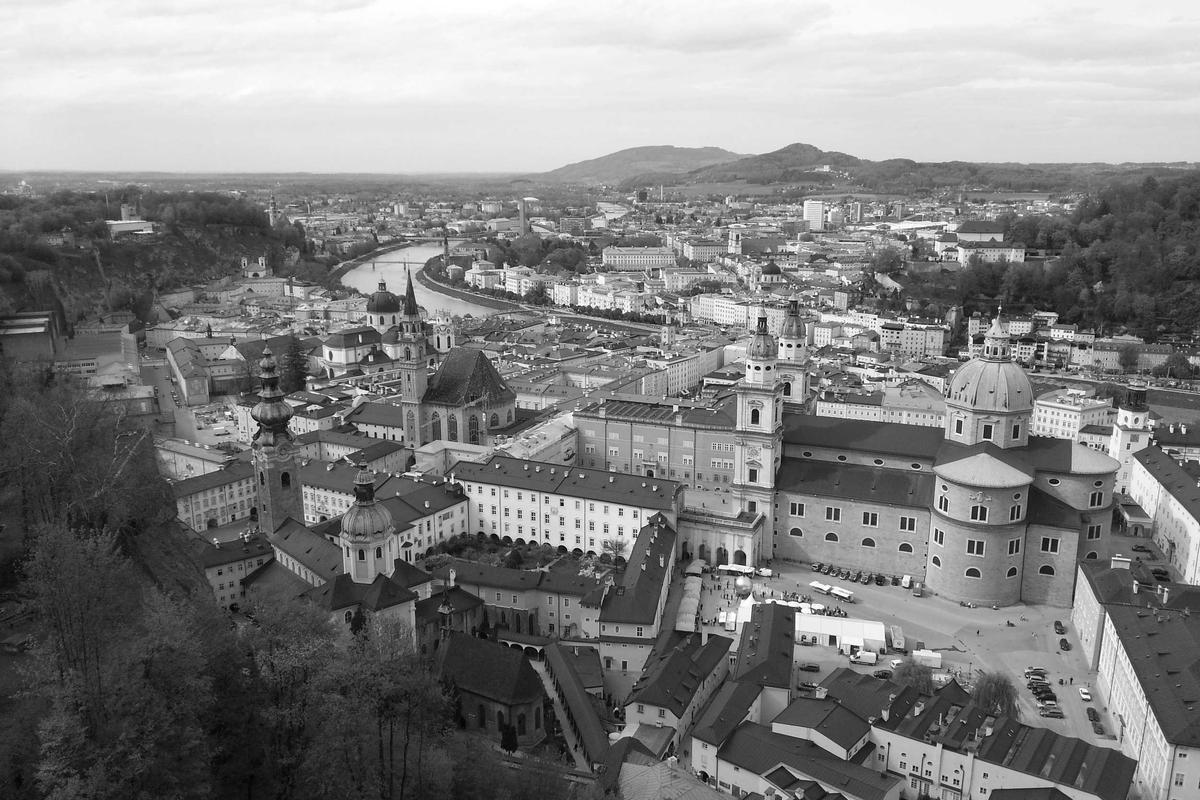
As these initiatives progress, the local government is monitoring their impact on both cultural preservation and community well-being. Reports indicate that there is a growing sense of pride among locals as they see their heritage being celebrated and honored in conjunction with modern advancements. The Bali Cultural Heritage Agency has been instrumental in providing resources and support to ensure that the essence of Balinese culture is tightly woven into the fabric of ongoing development.
Looking to the future, the combination of cultural preservation and infrastructure development is expected to yield long-term benefits for Bali. The approach not only enhances the tourism appeal of the island but also fosters a sustainable environment where local traditions can thrive alongside necessary modern advancements.
In conclusion, as Bali navigates the complexities of modernization and cultural preservation, the dual approach taken by the local government signifies a promising path forward. With continued community engagement and a commitment to sustainable practices, Bali is poised to maintain its cultural integrity while enhancing its infrastructure for future generations.

Read Also from Other Categories
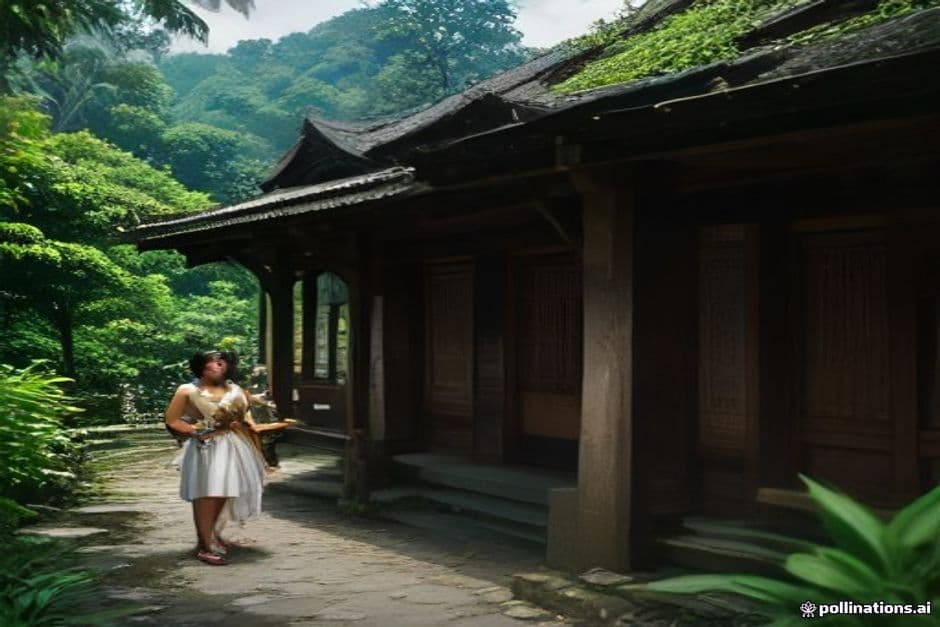
Exploring the Rise of Cultural Tourism in Bali's Lesser-Known Areas
Bali's cultural tourism is expanding beyond traditional hotspots, with a 25% increase in visitors to rural regions. This shift is reshaping travel experiences and benefiting local communities significantly.
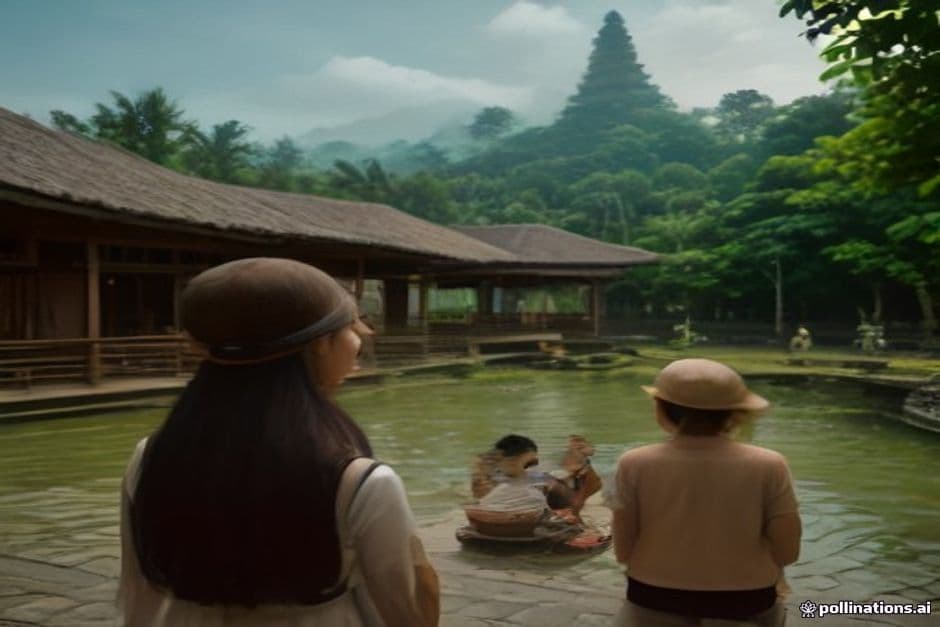
Jakarta's New Policy on Bali's Land Use Sparks Controversy Among Locals
New land use policies from Jakarta are stirring debate in Bali as locals express concerns about the implications for heritage and environment. The Bali provincial government is tasked with enforcing these controversial regulations that could reshape community landscapes.

Unveiling Bali's Untapped Investment Potential in the Health and Wellness Sector
Bali's health and wellness industry is poised for significant growth as investors target innovative startups in this sector. With increasing global interest and local demand, the region is becoming a hub for health-focused investments.

Bali's Coastal Communities on Alert as Rising Sea Levels Threaten Homes
As climate change accelerates, Bali's coastal communities are grappling with the stark reality of rising sea levels. Local authorities and residents are increasingly concerned about the implications for homes, tourism, and the environment.
Employers Seek Local Talent as Bali's Job Fairs Gain Momentum
Bali's job fairs are becoming a beacon of hope for job seekers, showcasing a growing demand for local talent. With a focus on diverse industries, these events offer training programs and networking opportunities to facilitate career growth.

How Bali's Waste Management Crisis Is Shaping Environmental Policy
Bali faces a critical waste management crisis as tourism surges amid environmental concerns. Local authorities are now under pressure to implement sustainable policies that address both the increasing waste and the island's ecological integrity.
Comments (0)
No comments yet. Be the first!