New Career Paths Open as Bali Invests in Green Job Training Initiatives
Bali is embracing a sustainable future by launching training programs focused on green jobs. These initiatives aim to prepare the local workforce for a booming eco-friendly economy.
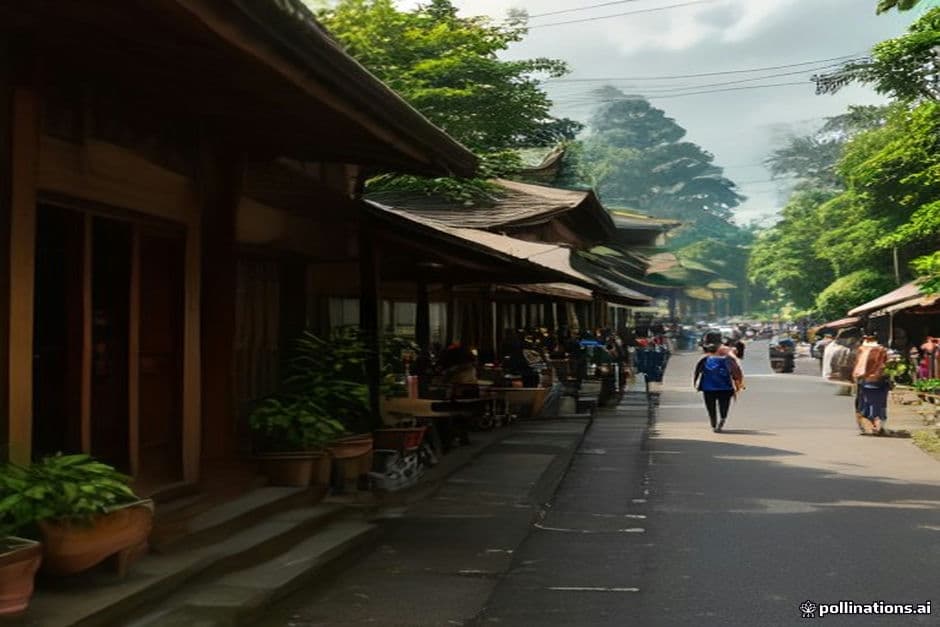
On the bustling streets of Ubud, the scent of fresh coffee mingles with the sounds of baristas at work. Amidst the vibrant atmosphere, an exciting new trend is emerging in Bali's job market—green job training programs designed to equip locals with the skills needed for a sustainable future.
In recent months, the Balinese government has initiated a series of workshops and training sessions focused on environmental sustainability. These programs are part of a broader strategy to align with global sustainability goals and address the growing demand for eco-friendly services. “We are committed to creating job opportunities that not only benefit our local communities but also protect our beautiful environment,” stated I Made Suardika, the head of Ubud's local government.
The initiative, which officially launched last month, aims to train over 1,000 residents within the next year, focusing on skills such as waste management, sustainable agriculture, and eco-tourism. Training sessions are being held at the Ubud Green School and various community centers across the region. Participants are engaged in hands-on learning experiences that include everything from permaculture practices to responsible tourism strategies.
As the sun sets over the rice paddies, the community center buzzes with excitement. Local resident Nyoman, a participant in the program, shared her enthusiasm: “I want to learn how to help our environment while also providing for my family. This training is a great opportunity for us.”

With Bali's tourism sector evolving, the need for green jobs is more pressing than ever. The island has seen an increase in eco-conscious travelers who prioritize sustainability in their travel choices. A recent survey indicated that 70% of tourists are willing to pay a premium for eco-friendly accommodations and activities.
This shift in consumer behavior has prompted local businesses to adapt. Many hotels and restaurants are now incorporating sustainable practices, which in turn creates job opportunities for trained professionals. The Bali Hotel Association reported a 30% increase in demand for staff trained in sustainability practices over the past year.
In addition to these training programs, Bali's government is collaborating with several NGOs to establish a Green Job Fair, slated for next month in Denpasar. This event will connect job seekers with businesses focused on sustainability, allowing participants to explore various career paths within the green economy.
Ubud's renowned environmental activist, Ketut, expressed optimism about the future: “With these training programs, we are not just creating jobs, we are building a sustainable future for Bali. It’s a win-win for everyone.”

While the initiative is still in its early stages, the response has been overwhelmingly positive. Local residents are eager to participate and learn, driven by the desire to contribute to preserving their island while securing stable employment.
However, challenges remain. Some locals are concerned about the accessibility of these programs, especially for those living in remote areas. The government is working to address these issues by providing transportation and online training options to ensure that every resident has the opportunity to participate.
As these training programs gain momentum, Bali is positioning itself as a leader in the green job market. With a firm commitment to sustainability, the island is not only embracing eco-friendly practices but also creating a workforce ready for the future. Local officials are hopeful that these efforts will lead to significant economic growth and a healthier planet.



Read Also from Other Categories

Unveiling Bali's Art Scene: A New Chapter in Cultural Tourism
Bali's art scene is experiencing a transformative revival, attracting tourists and art enthusiasts alike. This cultural renaissance is reshaping visitor experiences and bolstering the local economy through innovative art initiatives and exhibitions.

Local Farmers Rally for Support Amid Bali's Agricultural Policy Shift
As Bali's provincial government implements new agricultural policies, local farmers express concerns over their livelihoods. The shift aims to modernize practices but raises questions about sustainability and community impact.

Investors Shift Focus to Bali's Innovative Aquaculture Ventures in 2023
Bali's aquaculture sector has seen a remarkable 35% increase in investment this year, attracting both local and international funding. The surge is driven by a growing demand for sustainable seafood and innovative farming techniques.

Canggu Residents Alarmed by Rising Incidents of Coastal Erosion
As Canggu's picturesque coastline faces increasing erosion, local residents and businesses express urgent concerns. The ongoing erosion threatens homes, livelihoods, and the area's renowned tourism appeal.

Community-Led Initiatives Foster Urban Infrastructure Growth in Denpasar
Residents of Denpasar are taking the lead in improving urban infrastructure through collaborative projects. Local government support amplifies these initiatives, aiming to enhance the city's livability amidst rapid urbanization.

Cafes and Culture: The Role of Community Spaces in Bali's Recovery
As Bali emerges from the pandemic, community cafes are becoming vital hubs for cultural exchange and economic revitalization. These spaces are not only serving coffee but also fostering a sense of belonging and collaboration among locals and visitors alike.
Comments (0)
No comments yet. Be the first!