Navigating Bali's New Emergency Protocols Amid Rising Natural Threats
As Bali faces a series of natural threats, from volcanic activity to flooding, local authorities are implementing new emergency protocols. Residents and tourists alike must adapt to these changes to ensure safety during unpredictable weather patterns.
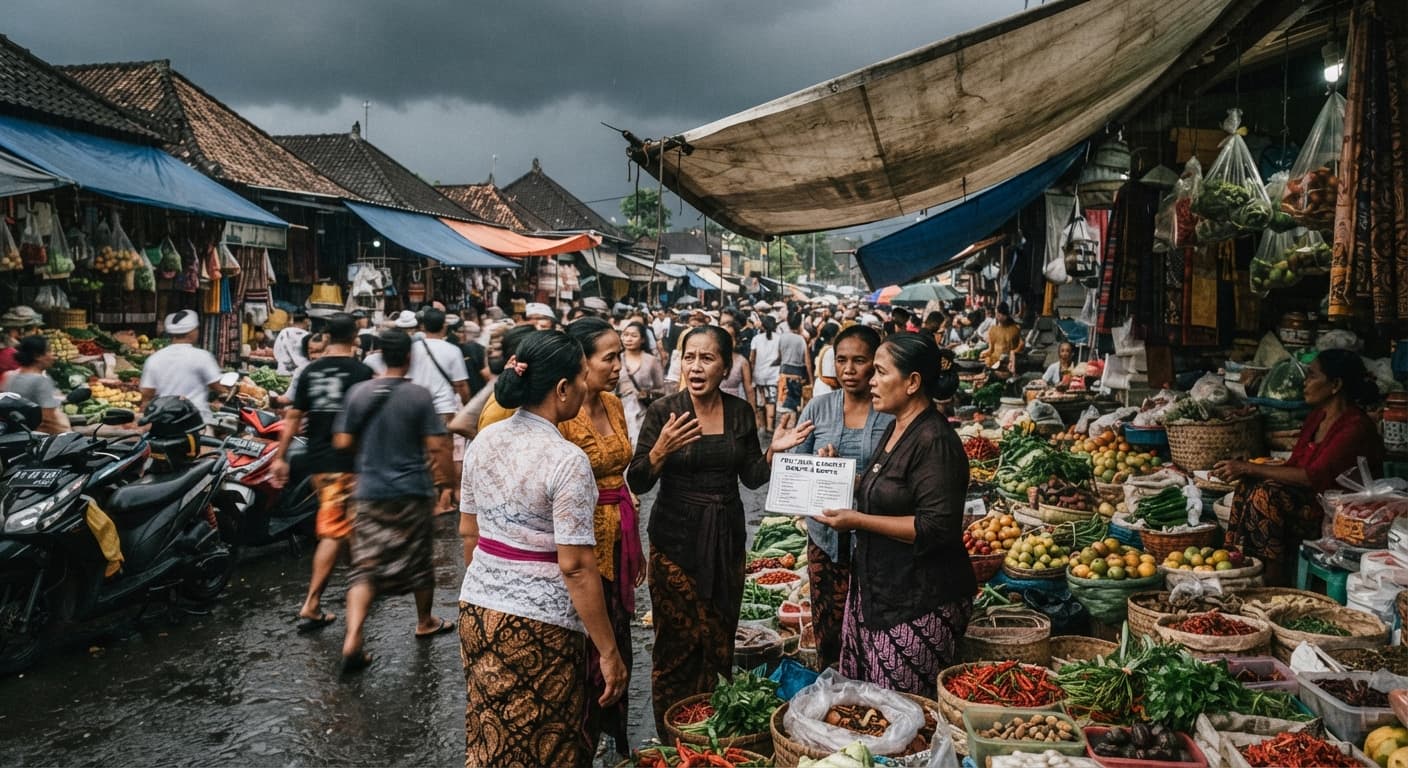
Underneath a darkening sky, the sound of distant thunder rumbles across the lush landscape of Bali, a stark reminder of the island's volatile nature. In the village of Ubud, locals gather at the market, their voices mingling with the scent of spices and the vibrant colors of fresh produce. Yet, amidst the usual bustle, a palpable tension lingers in the air as residents discuss the latest emergency protocols announced by local authorities.
With the rainy season approaching and volcanic activity on the rise, the Bali Disaster Management Agency has rolled out a comprehensive emergency response plan designed to safeguard both residents and tourists. This initiative comes in the wake of recent alarming trends, including increased flooding incidents and heightened seismic activity near Mount Agung, which has prompted officials to revise their safety strategies.
“We want to ensure that everyone knows what to do in case of an emergency,” said I Made Suardika, head of the Bali Disaster Management Agency. “Our goal is to minimize panic and ensure that both locals and visitors can respond effectively to any situation.”
The new protocols include improved communication channels, with real-time alerts sent via SMS to registered residents and establishments. Additionally, a series of community workshops will be held throughout the island, educating participants on evacuation routes, emergency supplies, and first aid techniques. Local authorities are also collaborating with hotels and tourist operators to disseminate crucial safety information to visitors.
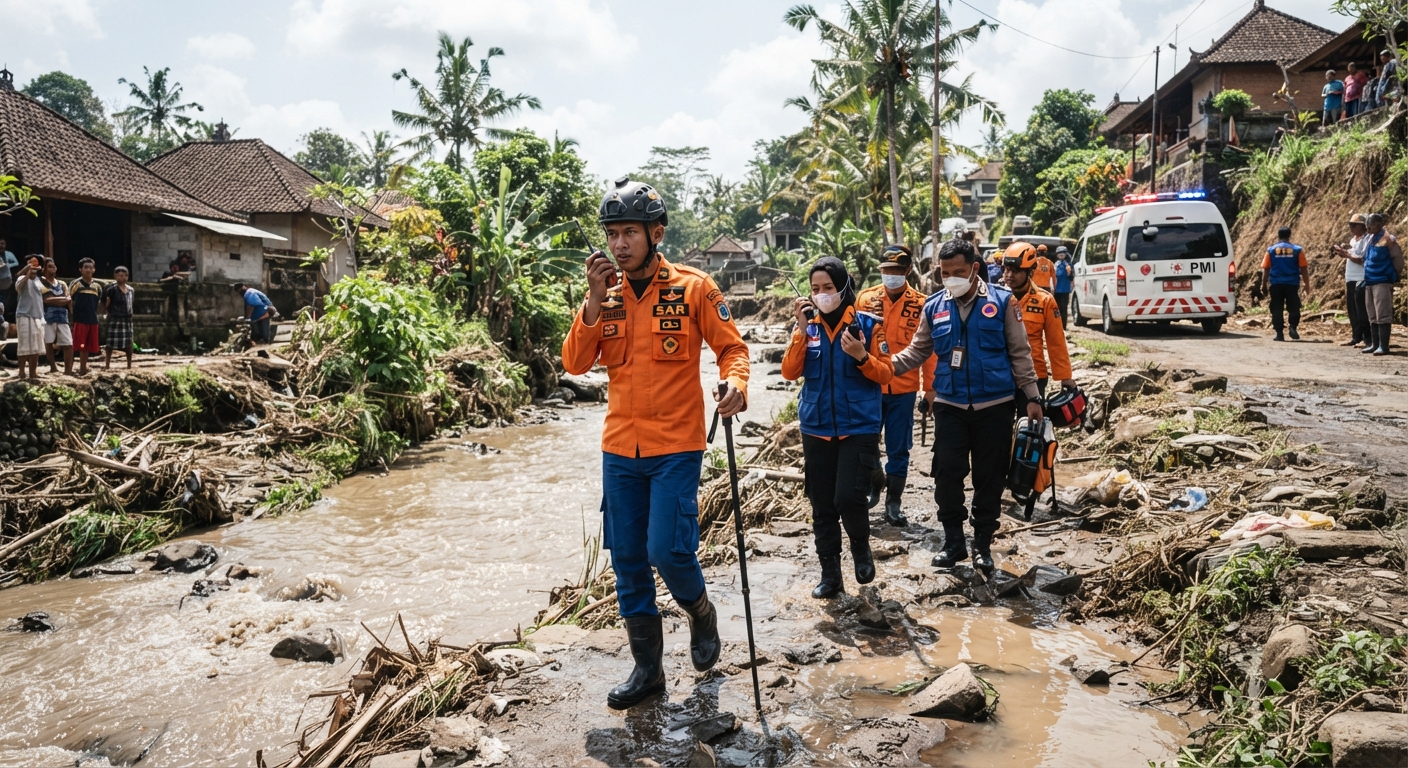
In light of recent events, the urgency of this initiative cannot be overstated. Bali has experienced a notable uptick in natural disasters over the past few years. According to data from the National Disaster Mitigation Agency, the frequency of flooding incidents has increased by 40% since 2020, while volcanic activity has become a growing concern with Mount Agung’s alert status fluctuating between Level II and Level III.
The impact on the tourism sector has been significant, as travelers become increasingly cautious about visiting areas prone to natural disasters. Hotel owners in Kuta and Seminyak report a decline in bookings as potential visitors monitor news of rising threats. “We have to reassure our guests that we are prepared for any eventuality,” stated Nyoman, a hotel manager in Seminyak, who has begun to implement emergency drills with his staff. “Safety is our top priority.”
As part of the new protocols, the Bali government is also enhancing its infrastructure to better withstand natural disasters. This includes the installation of improved drainage systems in flood-prone areas and the reinforcement of buildings to withstand seismic activity. The upgrade efforts are designed not only to protect lives but also to preserve the island’s vital tourism industry.
Despite these measures, concerns remain among residents and experts about the long-term effects of climate change on Bali’s safety. Environmental changes have led to unpredictable weather patterns, prompting some to question whether the island is adequately prepared for the future. “We need a more sustainable approach to development that considers our environmental vulnerabilities,” cautioned Dr. Ayu Sari, an environmental scientist based in Denpasar. “The government must prioritize climate resilience in its planning.”

The situation is compounded by the island's unique geography, which features steep hills and coastal areas. This topography not only increases the risk of landslides during heavy rains but also poses challenges for effective evacuation in emergencies. Local authorities are thus emphasizing the importance of community engagement and preparedness, encouraging residents to form neighborhood watch groups that can assist in emergency situations.
As the sun sets over the horizon, casting a warm glow over the rice paddies, the mood in Ubud remains cautiously optimistic. Residents understand the importance of being prepared while hoping for the best. “We love our island, and we will do everything we can to keep it safe,” said a local farmer, as he packed up his produce for the day. “It’s about working together to protect our home.”
Looking ahead, Bali faces a critical juncture as it navigates the complexities of natural disaster preparedness. The effectiveness of the new emergency protocols will ultimately depend on the cooperation between local authorities, residents, and the tourism sector. As Bali continues to attract visitors from around the globe, the island's resilience in the face of natural threats will be tested, making it imperative for everyone involved to stay informed and ready to act.



Read Also from Other Categories

Unveiling Bali's Art Scene: A New Chapter in Cultural Tourism
Bali's art scene is experiencing a transformative revival, attracting tourists and art enthusiasts alike. This cultural renaissance is reshaping visitor experiences and bolstering the local economy through innovative art initiatives and exhibitions.

Local Farmers Rally for Support Amid Bali's Agricultural Policy Shift
As Bali's provincial government implements new agricultural policies, local farmers express concerns over their livelihoods. The shift aims to modernize practices but raises questions about sustainability and community impact.

Investors Shift Focus to Bali's Innovative Aquaculture Ventures in 2023
Bali's aquaculture sector has seen a remarkable 35% increase in investment this year, attracting both local and international funding. The surge is driven by a growing demand for sustainable seafood and innovative farming techniques.

Community-Led Initiatives Foster Urban Infrastructure Growth in Denpasar
Residents of Denpasar are taking the lead in improving urban infrastructure through collaborative projects. Local government support amplifies these initiatives, aiming to enhance the city's livability amidst rapid urbanization.
Bali's New Career Hub: Empowering Local Job Seekers with Innovative Training
Bali's job seekers are gaining new opportunities through a strategic partnership between local businesses and vocational training centers. This initiative aims to equip the workforce with essential skills to meet the demands of a rapidly changing job market.

Cafes and Culture: The Role of Community Spaces in Bali's Recovery
As Bali emerges from the pandemic, community cafes are becoming vital hubs for cultural exchange and economic revitalization. These spaces are not only serving coffee but also fostering a sense of belonging and collaboration among locals and visitors alike.
Comments (0)
No comments yet. Be the first!