Local Communities Challenge Bali's Rising Digital Nomad Phenomenon
As Bali attracts an influx of digital nomads, local residents are expressing concerns over rising costs and cultural displacement. This article explores the tension between economic opportunity and community integrity in Bali's evolving landscape.
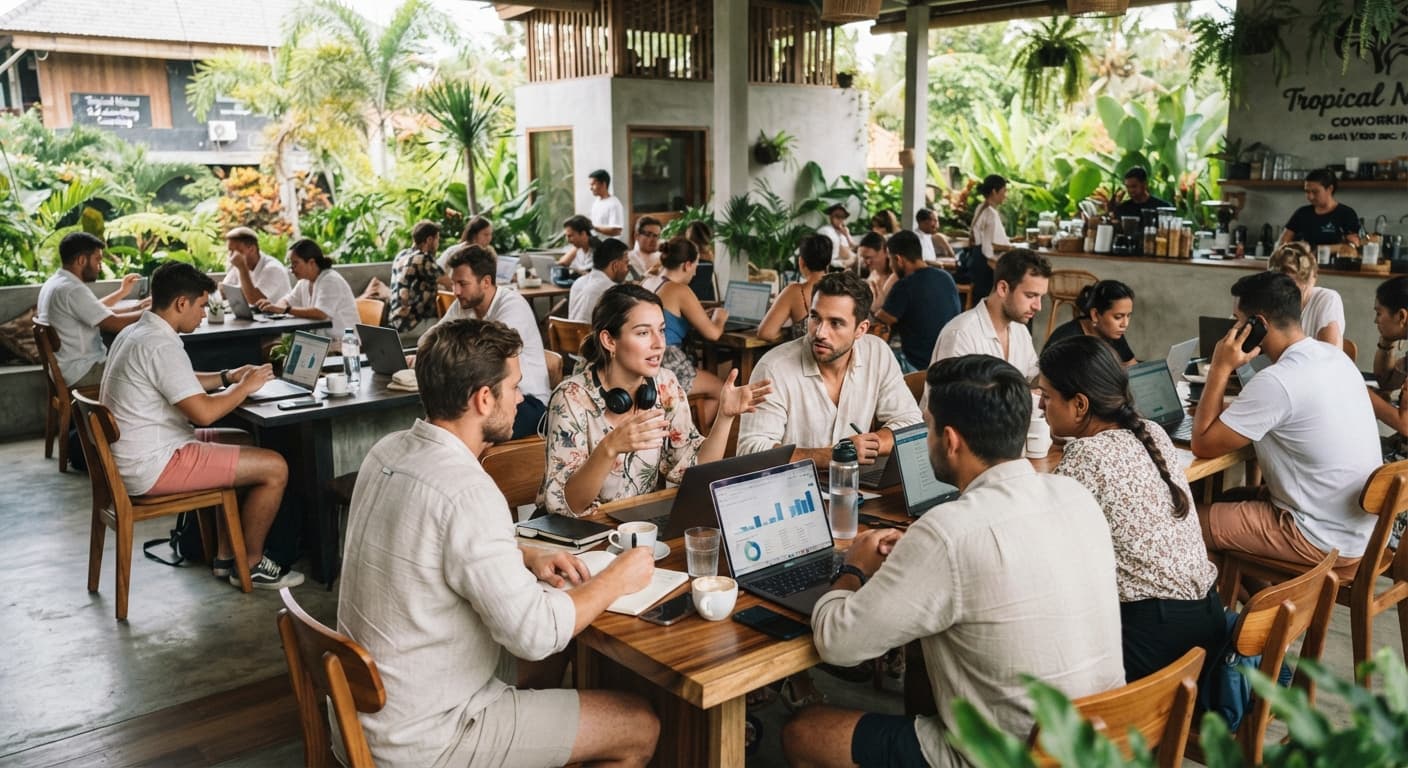
In recent years, Bali has seen a remarkable surge in the number of digital nomads flocking to its shores, attracted by the island's stunning landscapes, vibrant culture, and favorable climate. This influx, however, is not without its challenges. Local communities are increasingly vocal about the impacts of this trend, raising concerns over rising living costs and potential cultural displacement.
The digital nomad movement has transformed parts of Bali, particularly in Canggu and Ubud, where co-working spaces and cafes catering to remote workers have proliferated. According to a report from the Bali Tourism Board, the island welcomed over 500,000 digital nomads in 2022 alone, a figure projected to rise as remote work becomes more normalized globally. This demographic shift promises economic benefits, yet it also poses significant questions about the sustainability of local culture and community.
Local residents, particularly those in Ubud, have reported feeling the strain of increased demand for housing and services. Rent prices have skyrocketed, with some landlords opting to cater exclusively to tourists and expatriates who can afford higher rates. A recent survey conducted by the Ubud Community Forum revealed that 70% of locals feel that the rising costs are making it increasingly difficult for them to afford basic necessities, leading to frustration and resentment.
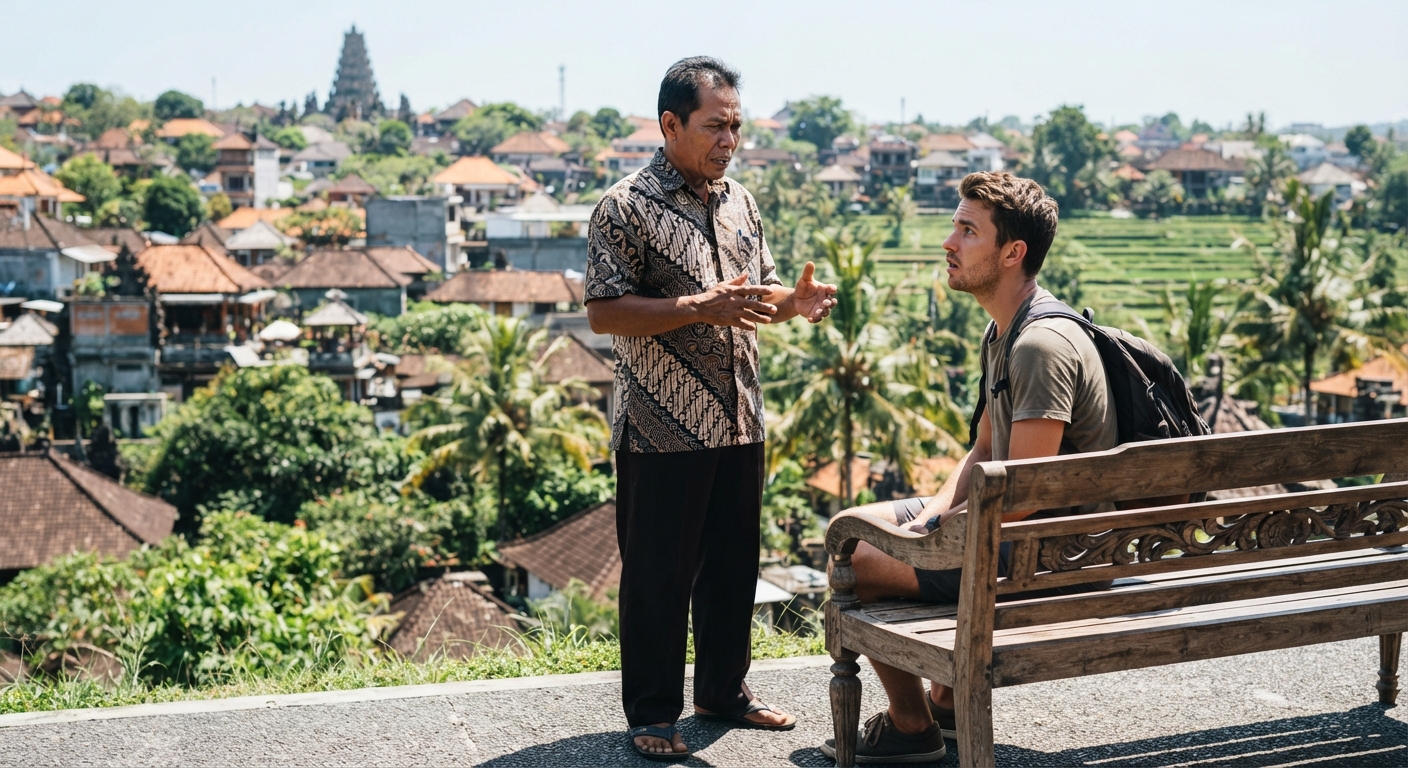
Moreover, cultural practices and local traditions are at risk of being overshadowed by the international lifestyle embraced by many digital nomads. Cultural events that once showcased Balinese heritage are now often tailored to appeal to foreign visitors, diluting their authenticity. A local elder, who has lived in Ubud for over three decades, expressed concern over this trend, stating, "We welcome visitors, but our culture should not be a commodity for sale. We need to find a way to share our traditions without losing their true essence."
The Balinese government has acknowledged these concerns and is exploring policies to manage the impact of tourism on local communities. Initiatives such as the Bali Local Community Empowerment Program aim to involve locals in tourism planning and provide them with a stake in the economic benefits. However, many residents feel that these measures are insufficient and lack genuine implementation.
Efforts to create a more balanced relationship between digital nomads and local communities are emerging. Some co-working spaces have initiated community engagement programs, encouraging collaboration between expatriates and residents. For instance, initiatives like the Canggu Community Center aim to foster dialogue, where locals and nomads can share their experiences and perspectives. Despite these positive efforts, skepticism remains, as many locals wonder if these initiatives will lead to meaningful change or merely serve as a facade.

As the digital nomad phenomenon continues to grow, it is crucial for stakeholders to address the underlying tensions. Balancing economic development with cultural preservation requires a collaborative approach that prioritizes the needs and voices of local communities. Policymakers must work closely with residents to ensure that tourism does not come at the cost of cultural integrity and community wellbeing.
Looking ahead, the future of Bali's tourism landscape will depend largely on how well it navigates these challenges. If local communities feel empowered and included in the conversation, there is potential for a more harmonious coexistence between digital nomads and Balinese culture. The need for sustainable tourism practices has never been clearer, and the path forward must prioritize the preservation of Bali's unique identity while embracing the opportunities that global connectivity offers.



Read Also from Other Categories

Unveiling Bali's Art Scene: A New Chapter in Cultural Tourism
Bali's art scene is experiencing a transformative revival, attracting tourists and art enthusiasts alike. This cultural renaissance is reshaping visitor experiences and bolstering the local economy through innovative art initiatives and exhibitions.

Local Farmers Rally for Support Amid Bali's Agricultural Policy Shift
As Bali's provincial government implements new agricultural policies, local farmers express concerns over their livelihoods. The shift aims to modernize practices but raises questions about sustainability and community impact.

Investors Shift Focus to Bali's Innovative Aquaculture Ventures in 2023
Bali's aquaculture sector has seen a remarkable 35% increase in investment this year, attracting both local and international funding. The surge is driven by a growing demand for sustainable seafood and innovative farming techniques.

Canggu Residents Alarmed by Rising Incidents of Coastal Erosion
As Canggu's picturesque coastline faces increasing erosion, local residents and businesses express urgent concerns. The ongoing erosion threatens homes, livelihoods, and the area's renowned tourism appeal.
Community-Led Initiatives Foster Urban Infrastructure Growth in Denpasar
Residents of Denpasar are taking the lead in improving urban infrastructure through collaborative projects. Local government support amplifies these initiatives, aiming to enhance the city's livability amidst rapid urbanization.
Bali's New Career Hub: Empowering Local Job Seekers with Innovative Training
Bali's job seekers are gaining new opportunities through a strategic partnership between local businesses and vocational training centers. This initiative aims to equip the workforce with essential skills to meet the demands of a rapidly changing job market.
Comments (0)
No comments yet. Be the first!