Job Seekers in Bali Find New Paths Through Innovative Training Programs
As Bali's economy continues to evolve, new training programs are opening doors for job seekers across various sectors. These initiatives aim to equip the workforce with skills needed for the changing job landscape, focusing on both local and international opportunities.
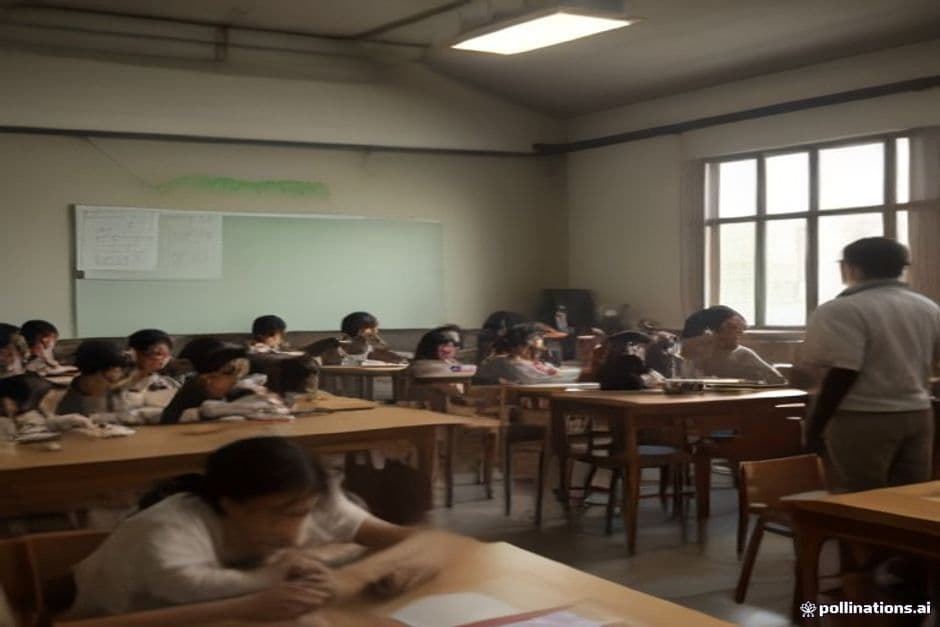
Bali is witnessing a significant shift in its employment landscape, driven by innovative training programs aimed at preparing job seekers for the demands of a rapidly evolving job market. With an increase in local and international businesses establishing their presence on the island, the need for a skilled workforce has never been more critical.
In recent months, several organizations and educational institutions have launched targeted training initiatives to address the skills gap affecting various sectors. The Bali Manpower Office, alongside private training institutions, has been at the forefront of these efforts. Their goal is to provide practical skills and certifications that are highly sought after by employers.
One such program is the "Tech Skills for Bali" initiative, which offers courses in digital marketing, software development, and data analytics. Launched in collaboration with local tech companies and educational institutions, this program aims to equip participants with skills that align with the growing demand for tech-savvy professionals. The first cohort of this program saw over 200 participants, with many securing job placements shortly after completion.
Additionally, vocational training centers are expanding their offerings to include courses in hospitality management, culinary arts, and eco-tourism. These sectors are vital to Bali's economy, and the emphasis on sustainable practices has spurred the creation of specialized training programs. For instance, the Bali Culinary Institute has introduced a new curriculum focused on organic farming and farm-to-table concepts, attracting aspiring chefs and restaurateurs who want to innovate in the culinary scene.

Local governments are also playing a crucial role in this employment drive. Recent job fairs organized in Denpasar and Gianyar have connected job seekers with local businesses actively looking for talent. These events not only showcase available job opportunities but also provide on-the-spot interviews and career advice, making it easier for individuals to navigate the job market.
The success of these initiatives is reflected in the increased employment rates reported by the Bali Manpower Office. According to their latest statistics, the unemployment rate in Bali has dropped to 3.5%, a significant improvement from the previous year. This decline is attributed to the effective implementation of training programs and the collaboration between government agencies and private enterprises.
Moreover, the rise of remote work has changed the job landscape in Bali, allowing individuals to pursue opportunities outside the traditional sectors. Many training programs are now incorporating remote work skills into their curricula, preparing job seekers for roles that can be performed from anywhere. This trend has particularly benefited digital nomads and expatriates living in Bali, who are seeking flexible work arrangements.

In response to the increasing demand for skilled workers, educational institutions are exploring partnerships with international organizations to offer globally recognized certifications. Such collaborations not only enhance the credibility of local training programs but also attract foreign investments in Bali's education sector.
Looking ahead, the focus remains on sustaining this momentum. As Bali continues to recover from the economic impacts of the pandemic, the emphasis on upskilling and reskilling the workforce is paramount. Industry experts believe that ongoing investments in education and training will be essential to ensure that Bali's workforce remains competitive in the global job market.
In conclusion, Bali's innovative training programs are paving the way for a more skilled workforce, addressing both local needs and global trends. By investing in education and collaboration among various stakeholders, the island is positioning itself for a robust economic future, creating a ripple effect that benefits job seekers across the region.



Read Also from Other Categories

Unveiling Bali's Art Scene: A New Chapter in Cultural Tourism
Bali's art scene is experiencing a transformative revival, attracting tourists and art enthusiasts alike. This cultural renaissance is reshaping visitor experiences and bolstering the local economy through innovative art initiatives and exhibitions.

Local Farmers Rally for Support Amid Bali's Agricultural Policy Shift
As Bali's provincial government implements new agricultural policies, local farmers express concerns over their livelihoods. The shift aims to modernize practices but raises questions about sustainability and community impact.

Investors Shift Focus to Bali's Innovative Aquaculture Ventures in 2023
Bali's aquaculture sector has seen a remarkable 35% increase in investment this year, attracting both local and international funding. The surge is driven by a growing demand for sustainable seafood and innovative farming techniques.

Canggu Residents Alarmed by Rising Incidents of Coastal Erosion
As Canggu's picturesque coastline faces increasing erosion, local residents and businesses express urgent concerns. The ongoing erosion threatens homes, livelihoods, and the area's renowned tourism appeal.
Community-Led Initiatives Foster Urban Infrastructure Growth in Denpasar
Residents of Denpasar are taking the lead in improving urban infrastructure through collaborative projects. Local government support amplifies these initiatives, aiming to enhance the city's livability amidst rapid urbanization.

Cafes and Culture: The Role of Community Spaces in Bali's Recovery
As Bali emerges from the pandemic, community cafes are becoming vital hubs for cultural exchange and economic revitalization. These spaces are not only serving coffee but also fostering a sense of belonging and collaboration among locals and visitors alike.
Comments (0)
No comments yet. Be the first!